US Troops Wounded in Iranian Strike on Saudi Base Amid Escalating Conflict
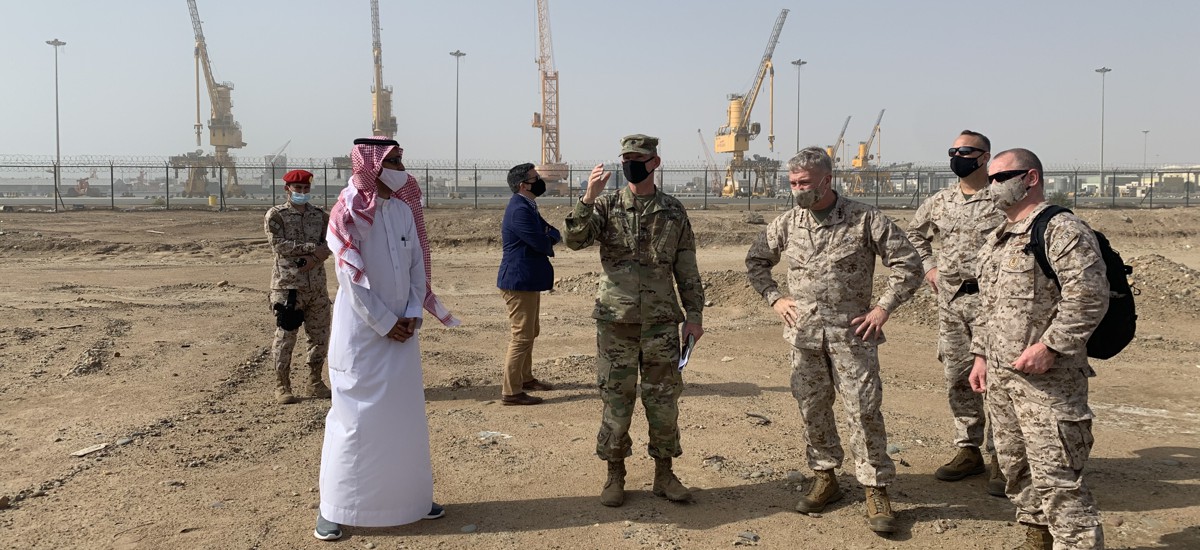
Riyadh/Washington — At least 10 US service members have been wounded in an Iranian missile attack on Prince Sultan Air Base in Saudi Arabia, marking a dangerous new escalation in the month-long conflict between Iran and Israel that has drawn American forces into direct confrontation with Tehran and raised fears of a broader regional war.
Background
The conflict between Iran and an allied US-Israeli force erupted on 28 February 2026, following strikes on Iranian nuclear facilities including the Shahid Khondab Heavy Water Complex in Arak and the Ardakan yellowcake production plant. What began as a targeted military operation has rapidly expanded into a multi-front conflict spanning Iran, Israel, Saudi Arabia, and Yemen, with the Strait of Hormuz closure adding a global economic dimension to what is already the most serious military confrontation in the Middle East in decades.
Prince Sultan Air Base, located approximately 75 kilometres south of Riyadh, is one of the most significant US military installations in the Gulf region. It has housed American personnel and aircraft since the 1990s and serves as a critical hub for US air operations across the Arabian Peninsula. Iran's decision to strike the base directly — targeting American service members on Saudi soil — represents a significant escalation beyond the proxy warfare and indirect confrontation that has characterised much of the conflict to date.
The attack came as Iran launched missiles at Israel, triggering sirens in Beersheba and near the country's main nuclear research centre. Yemen's Iran-backed Houthi rebels have also entered the conflict, firing two missiles toward southern Israel, both of which were intercepted by Israeli defences. Heavy bombardment has been reported in Tehran, with explosions hitting multiple parts of the Iranian capital and the Qatari news channel Al Araby reporting its Tehran office was damaged in an Israeli strike.
Key Developments
The Iranian strike on Prince Sultan Air Base wounded at least 10 American troops, with two suffering serious injuries. The attack represents Iran's retaliation for Israeli strikes on its nuclear infrastructure and signals Tehran's willingness to directly target US forces rather than limiting its response to Israeli or proxy targets. Iranian Foreign Minister Abbas Araghchi warned that "Iran will exact HEAVY price for Israeli crimes," while IRGC Aerospace Force commander Seyed Majid Moosavi declared: "This time, the equation will no longer be 'an eye for an eye,' just wait."
The Israel Defense Forces stated it is days away from neutralising all of its "top priority" targets in Iran, which include ballistic missile sites, weapons production facilities, and command centres. International Spokesperson Nadav Shoshani emphasised Israel's preparedness: "We have prepared for a multi-front war. We've been fighting for the last two and a half years a multi-front war with threats from various different fronts." The USS Tripoli amphibious assault ship, carrying 3,500 sailors and Marines, has arrived in the region alongside reports of over 1,000 additional US soldiers being deployed — a military buildup that has fuelled Iranian accusations of a planned ground invasion.
Why It Matters
The wounding of American service members in an Iranian missile strike on Saudi soil is a watershed moment in the conflict. Until now, the US has been able to frame its involvement as supportive of Israeli operations rather than a direct participant in hostilities with Iran. That distinction has now been erased. The attack on Prince Sultan Air Base creates enormous political pressure on the Trump administration to respond forcefully, while simultaneously raising the risk of a cycle of escalation that neither side may be able to control. Military analysts have warned that the combination of direct US casualties, a massive American military buildup in the region, and Iranian rhetoric about "waiting" for a ground invasion creates conditions in which a single miscalculation could trigger a catastrophic escalation. The diplomatic track — led by Pakistan with support from Saudi Arabia, Turkey, and Egypt — is the only viable alternative to a conflict that could rapidly spiral beyond anyone's control.
Local Impact
For the UK and Northern Ireland, the direct wounding of American troops in the conflict carries significant implications. Britain's close military and intelligence alliance with the United States means that any further escalation will inevitably draw the UK into closer involvement, whether through intelligence sharing, logistical support, or diplomatic pressure. The UK government has been in intensive consultations with Washington and its NATO allies about the conflict's trajectory, and there is growing concern in Westminster about the risk of being drawn into a conflict that was not of Britain's making. In Northern Ireland, where the legacy of conflict remains a live political issue, the prospect of British military involvement in another Middle Eastern war is viewed with particular unease across the political spectrum.
What's Next
The attack on US forces in Saudi Arabia has raised the stakes of the conflict to a new level, and the coming days will be critical in determining whether the diplomatic track can gain sufficient traction to prevent further escalation. Pakistan's mediation efforts, which ultimately produced a temporary two-week ceasefire on 8 April 2026, represent the most promising avenue for de-escalation — but the ceasefire remains fragile, and the underlying issues that drove the conflict remain unresolved. For US military planners, the immediate priority is force protection: ensuring that American personnel across the region are not exposed to further Iranian strikes while diplomatic efforts continue.
Sources: Politico | Al Jazeera | House of Commons Library