Undocumented Irish in America Fear Trump's Deportation Drive as September Visit Looms
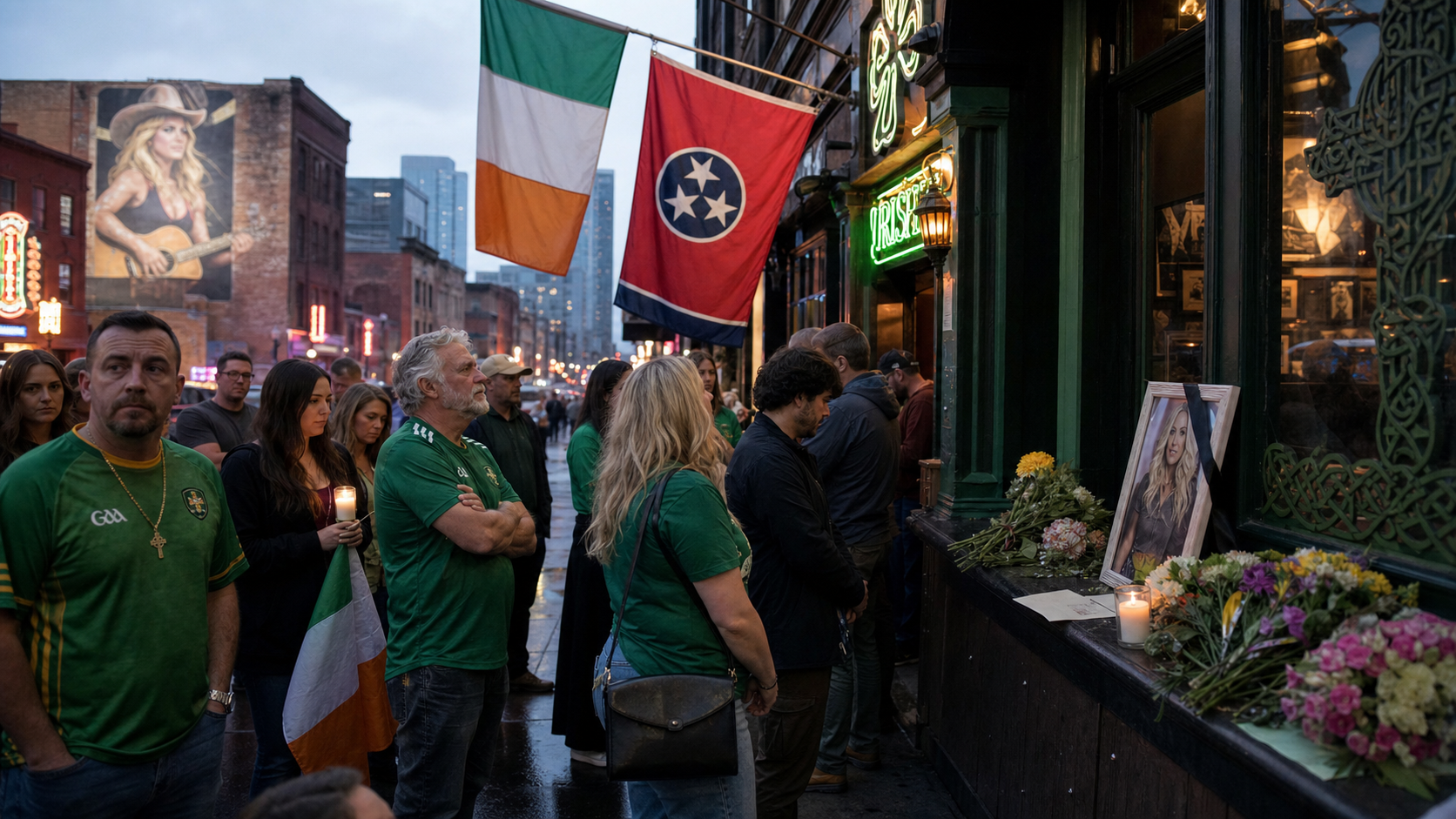
The undocumented Irish community in the United States is living with what advocates describe as "palpable" fear as the Trump administration's immigration enforcement drive has tripled the pace of deportations of Irish citizens compared to the Biden era — a development that is casting a shadow over the Irish-American relationship and that is expected to be a central issue when President Trump visits Ireland in September.
Background
The undocumented Irish community in the United States has been a feature of the Irish-American relationship for decades, with successive waves of emigration — most notably in the 1980s and again during the economic crisis of 2008 to 2013 — leaving tens of thousands of Irish citizens living and working in the US without legal status. Estimates of the current undocumented Irish population in America vary, but figures of between 10,000 and 50,000 are commonly cited, with concentrations in cities including New York, Boston, Chicago, and San Francisco.
The undocumented Irish have historically occupied a somewhat ambiguous position in the politics of US immigration. Unlike the undocumented populations from Latin America and Asia, who have been the primary focus of immigration enforcement debates, the Irish community has benefited from a degree of political protection rooted in the strength of the Irish-American lobby and in the personal connections between Irish politicians and their American counterparts. This protection has never been absolute, but it has provided a measure of insulation from the most aggressive enforcement actions.
The Trump administration's second term has changed that calculus significantly. The administration's immigration enforcement programme, which is the most aggressive in recent American history, has not distinguished between nationalities in its targeting of undocumented individuals, and the Irish community has been affected alongside other groups.
Key Developments
Data from the Deportation Data Project indicates that the pace of deportations of undocumented Irish citizens under the second Trump administration has tripled compared to the Biden era. The figures, while small in absolute terms relative to the overall scale of US deportations, represent a significant change in the experience of the Irish community and have created a climate of fear that is affecting daily life for many undocumented Irish people in America.
Community organisations working with the undocumented Irish in cities including New York and Boston have reported that many people are avoiding travel, reducing their public profile, and in some cases choosing to "self-deport" — returning to Ireland voluntarily rather than risk the trauma of a forced removal. The Irish government has maintained a "muted and cautious" response to the deportations, with ministers emphasising the limited influence Ireland has over US immigration policy and favouring a strategy of diplomatic pragmatism over public confrontation.
This approach has attracted criticism from opposition politicians and from Irish-American advocates, who argue that the government's reluctance to speak out more forcefully is leaving the undocumented community without the political support it needs. Labour MEP Aodhán Ó Ríordáin has been among the most vocal critics, arguing that the Irish government's approach to the Trump administration — including the planned September visit — is too accommodating given the impact of US policies on Irish citizens.
Why It Matters
The situation of the undocumented Irish in America matters for the Irish government for both humanitarian and political reasons. Humanitarianly, these are Irish citizens — many of whom have lived in the United States for decades, built families and businesses, and contributed to their communities — who are now living in fear of deportation. The Irish state has a responsibility to advocate for their interests, even when doing so is diplomatically inconvenient.
Politically, the issue is a test of the Irish government's capacity to manage a complex relationship with a US administration whose values and priorities are in many respects at odds with those of the Irish state. The September visit provides an opportunity for Taoiseach Martin to raise the issue of the undocumented Irish directly with Trump, but the diplomatic context — a visit centred on a golf tournament — limits the scope for substantive engagement.
The broader question of Ireland's diplomatic model — historically reliant on "soft power" and familial nostalgia — is also at stake. Critics argue that this model is no longer effective in dealing with a more nativist and isolationist US administration, and that Ireland needs to develop a more transactional and realist approach to protecting its interests in Washington.
Local Impact
In Ireland, the situation of the undocumented Irish in America is followed with particular intensity in the communities that have historically provided the most emigrants — the west of Ireland, parts of the midlands, and the urban working-class communities of Dublin and Cork. Families with relatives in the United States are acutely aware of the risks their loved ones face, and the stories of deportations and self-deportations are circulating widely in these communities. The Irish Emigrant Support Programme, which funds organisations working with the Irish diaspora in the US, has been working to ensure that the undocumented community has access to legal advice and support.
What's Next
The September visit by Trump to Ireland is the most immediate opportunity for the Irish government to raise the issue of the undocumented Irish directly with the President. Taoiseach Martin has indicated that he intends to use the meeting to discuss a range of bilateral issues, including immigration, and Irish-American advocacy organisations are pressing for a specific commitment to seek protections for the undocumented community. Whether such a commitment can be secured — and whether it would be honoured if it were — remains deeply uncertain.