Ulster University to Cut Up to 450 Jobs Amid Higher Education Funding Crisis
Ulster University has announced plans to cut up to 450 jobs — nearly 15% of its total workforce — as it grapples with a £25 million financial deficit driven by declining international student enrolments and the Northern Ireland Executive's refusal to increase tuition fees, in a move that has sent shockwaves through the higher education sector across the North.
The announcement, made on Tuesday, prompted an immediate response from trade unions, politicians, and staff across the university's campuses in Belfast, Derry, Coleraine, and beyond. The university, which employs approximately 3,100 staff, said it hoped to achieve the reductions through voluntary redundancies, but confirmed that compulsory job losses had not been ruled out. A 90-day consultation period with trade unions will now begin.
Background
Ulster University's financial difficulties stem from two converging crises that are battering higher education institutions across the United Kingdom. The first is a significant drop in revenue from international student enrolments: UK universities experienced a second consecutive annual drop in international student numbers for the 2024-25 academic year, with enrolments falling by 6.1%. Key markets such as India and Nigeria have seen declines of 12% and 33% respectively, largely attributed to a government policy change preventing most international students from bringing family dependants, according to ICEF Monitor.
The second crisis is structural: Northern Ireland's tuition fee policy caps fees for NI-domiciled students at £4,855 per year — significantly lower than the £9,250 cap in England — placing universities in the North at a serious financial disadvantage. Economy Minister Caoimhe Archibald rejected a proposed above-inflation fee increase in 2025, citing concerns about placing additional financial pressure on students. The university's most recent accounts showed an operating deficit of £20.2 million against an income of £304 million. Projections for the 2025-26 academic year suggest that without intervention, approximately 45% of universities in England could be operating at a deficit — a crisis that is even more acute in Northern Ireland given the lower fee cap.
Over 100 institutions across the UK have already downsized their staffing complements in response to similar pressures, but the scale of the proposed cuts at Ulster University is among the largest announced by any UK university, as reported by The Irish Times.
Key Developments
Norman Hagan, chair of the University and College Union (UCU) branch at Ulster University, described the potential cuts as "unprecedented" and "deeply alarming," warning of "far-reaching, detrimental consequences for students, local communities, and the wider regional economy." He vowed that compulsory redundancies would be "strongly resisted." The UCU has criticised both the university and the government for what it describes as a failure to establish a sustainable funding model for higher education in Northern Ireland.
The Department for the Economy acknowledged that the university's finances were "extremely challenging" and said the announcement was "another example of the real-world consequences" of warnings about unsustainable higher education funding in Northern Ireland going unheeded. DUP MLA Philip Brett called the situation a "failure of leadership" and urged "urgent, decisive intervention" to protect jobs and safeguard the future of higher education in Northern Ireland.
Why It Matters
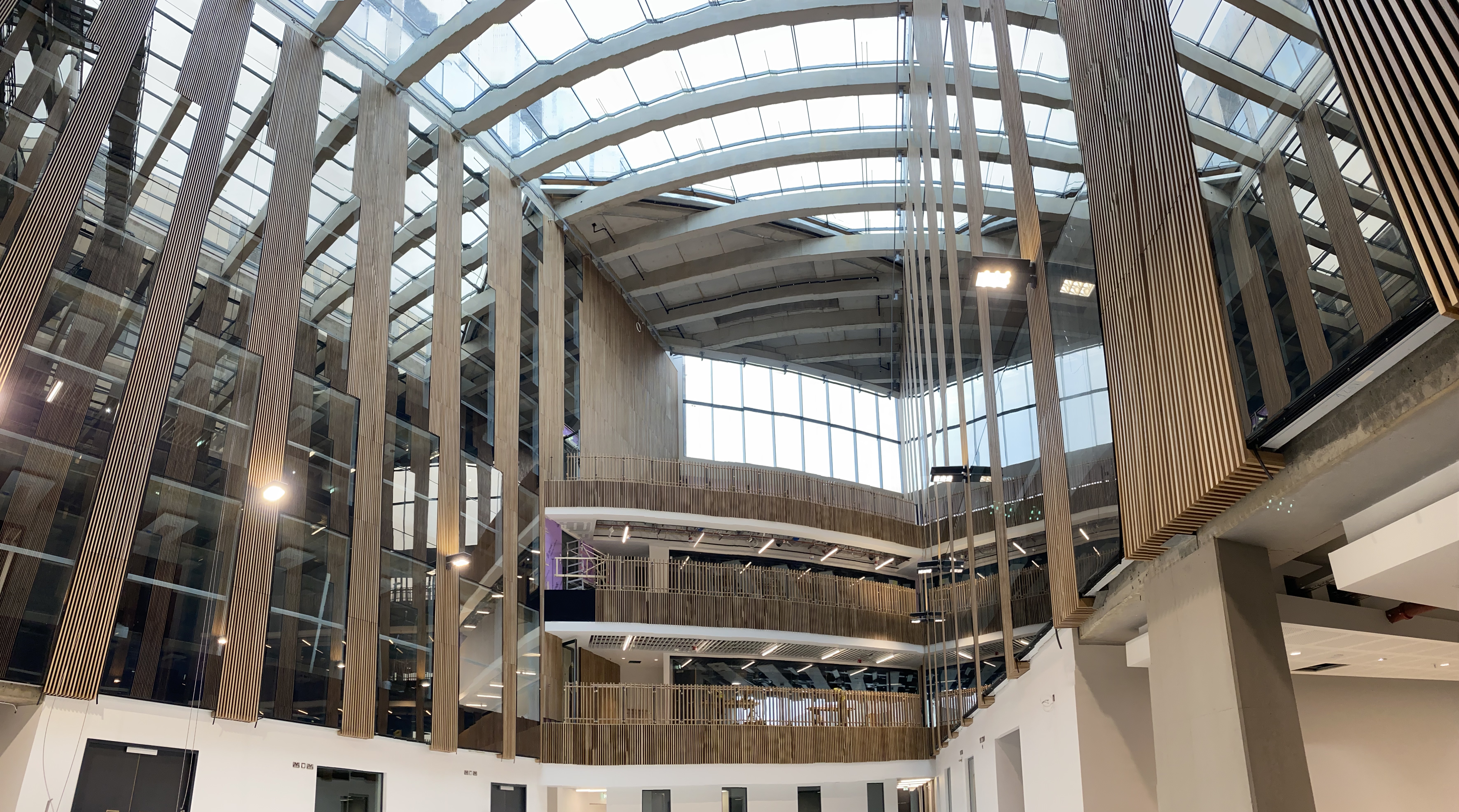
Ulster University is Northern Ireland's largest university and one of the region's most significant employers, with major campuses in Belfast, Coleraine, and Derry/Londonderry. It is a major driver of the regional economy, supporting thousands of jobs and contributing significantly to Gross Value Added across the North. Its new Belfast city campus is a cornerstone of urban regeneration in the heart of the capital. The loss of up to 450 jobs would have a profound impact on local communities, particularly in Derry and Coleraine, where the university is a major economic anchor.
The crisis also raises fundamental questions about the sustainability of higher education in Northern Ireland. The combination of a low tuition fee cap, declining international student numbers, and rising operational costs has created a perfect storm that the Executive can no longer ignore. Ulster Unionist deputy leader Diana Armstrong has called for a wider conversation about sustainability — a conversation that is long overdue.
Local Impact
For Belfast and the wider North, the stakes could not be higher. Ulster University's research and innovation activities are central to Northern Ireland's economic development strategy, and any significant reduction in staffing would inevitably affect the quality and volume of research output. The university's partnerships with local businesses, public sector bodies, and community organisations are also at risk if the cuts proceed at the scale proposed. Political pressure is mounting on the Executive to revisit the question of higher education funding before the 90-day consultation period concludes.
What's Next
The 90-day consultation period will determine the final shape of the redundancy programme. Political pressure is mounting on the Executive to revisit the question of higher education funding, with calls from across the political spectrum for urgent action. Full details are available from BBC News Northern Ireland.