UK Inflation Jumps to 3.3% as Iran War Sends Fuel Prices Soaring
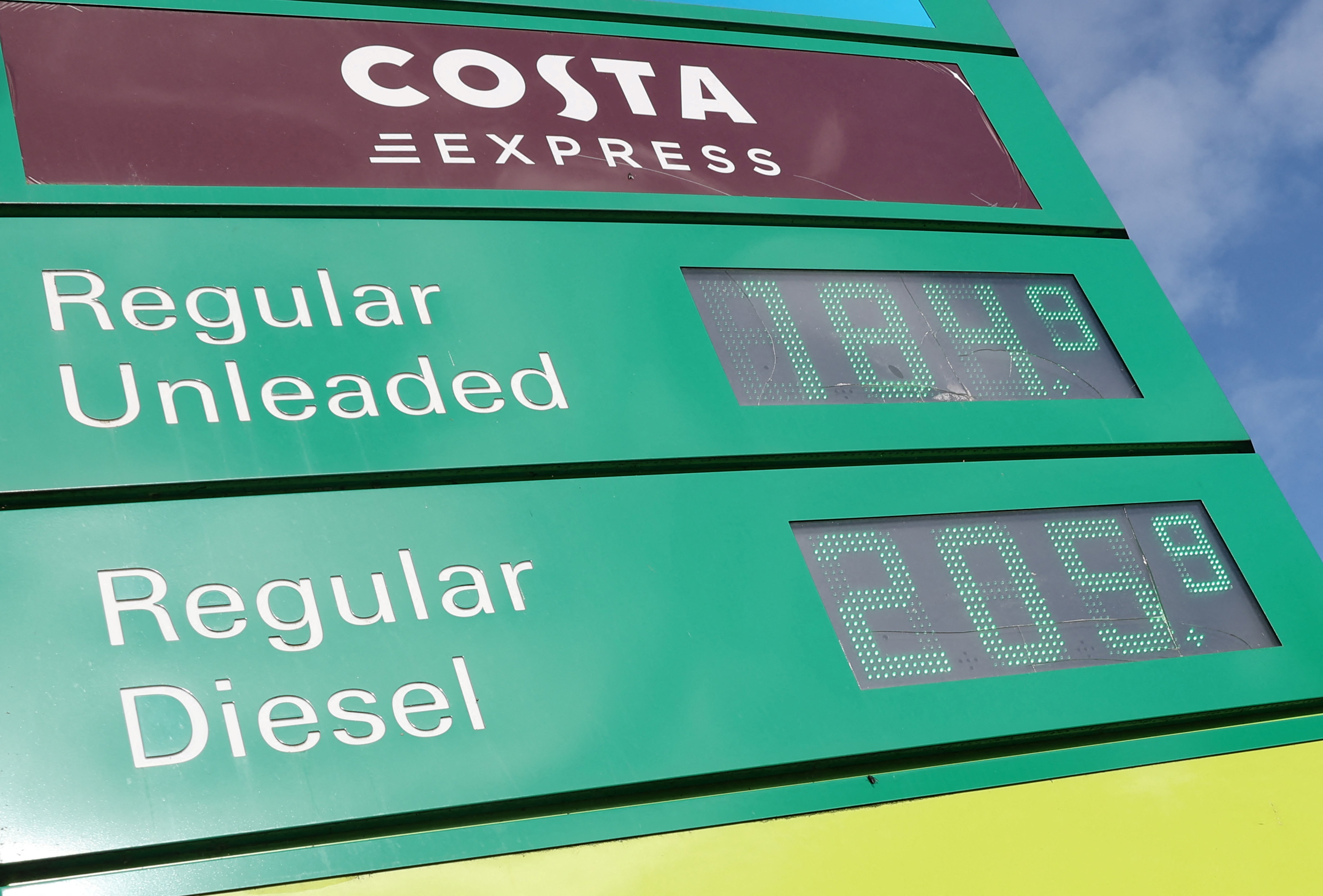
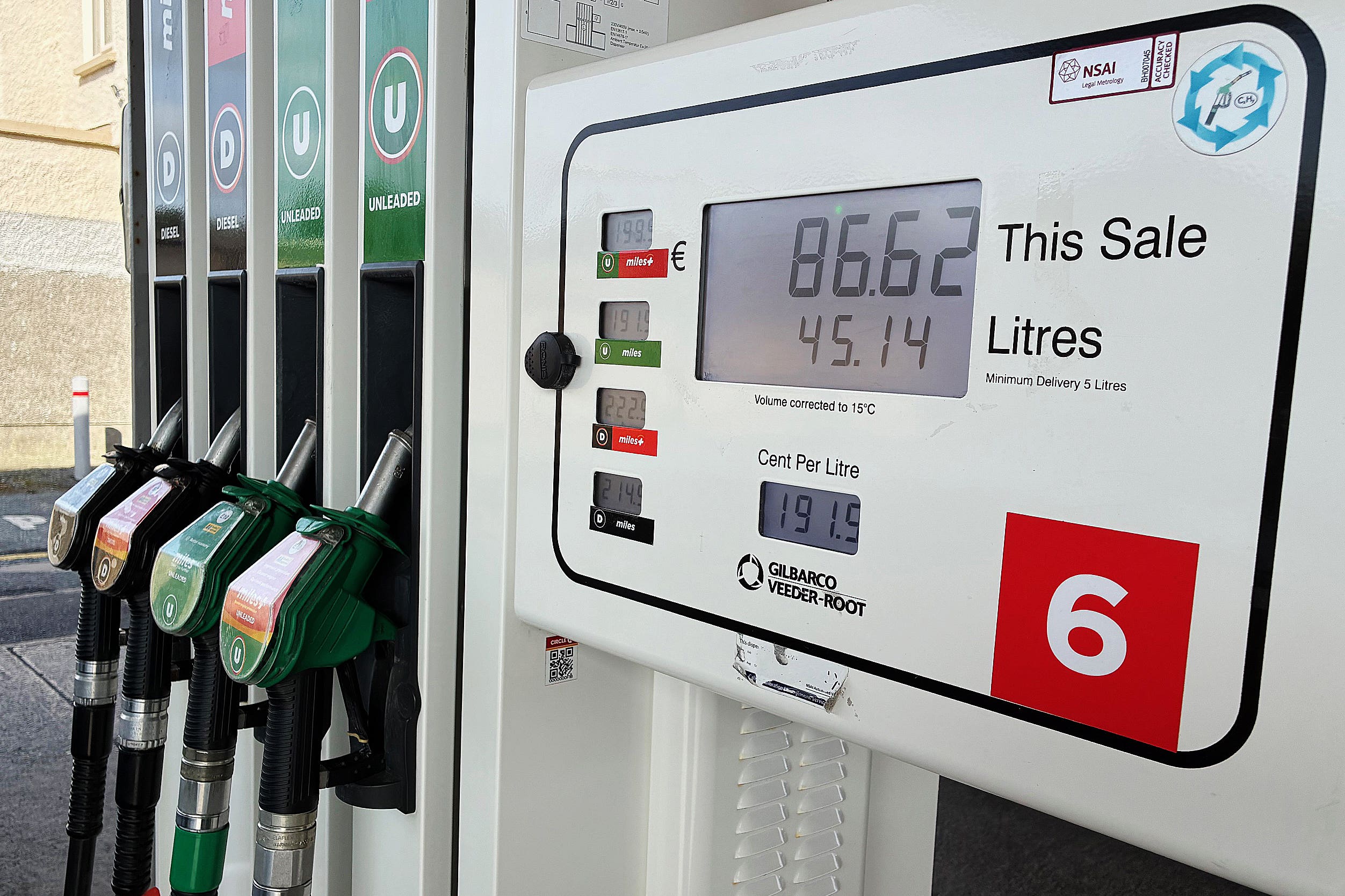
UK inflation accelerated to 3.3% in March, driven by an 8.7% year-on-year surge in fuel prices directly linked to the ongoing conflict involving Iran and its disruption of global energy markets, new figures have revealed.
The data, published on Wednesday by the Office for National Statistics, paints a troubling picture for British households and businesses already grappling with the cost-of-living crisis. Economists warn that inflation could climb further, potentially reaching almost 4% in the second half of 2026, nearly double the Bank of England's 2% target.
Key Developments
The sharp rise in fuel prices is the primary driver of the inflation increase, with the disruption to global oil supplies caused by the Iran conflict pushing Brent crude above $105 a barrel at its peak. Manufacturers are also feeling the squeeze, with factory input prices spiking by 5.4% annually, though output prices have risen more modestly as businesses absorb a portion of the increased costs.
The Food and Drink Federation has issued a stark warning that food inflation could reach as high as 10% in 2026, driven by a combination of higher energy costs and fractured supply chains. This would represent a significant additional burden for UK households, particularly those on lower incomes who spend a higher proportion of their budgets on food and fuel.
Background
The UK economy was already showing signs of strain before the latest inflation figures. Company insolvencies increased by 7% in March to 2,022, with the collapse of The Original Factory Shop resulting in the closure of all 137 stores and the loss of 1,180 jobs, a stark illustration of the pressures facing British businesses.
The EY Item Club has warned that the UK could flirt with a technical recession in the middle of 2026, with unemployment forecast to climb to 5.8% by mid-2027, potentially resulting in 250,000 job losses. The UK has already seen the fastest rise in unemployment among G7 nations over the past year, with the rate climbing to 5.2%.
Why It Matters
The inflation figures will increase pressure on the Bank of England, which had been expected to cut interest rates this year. Instead, policymakers may now be forced to hold rates higher for longer, or even consider further increases, to prevent inflation from becoming entrenched. This would have significant implications for mortgage holders and businesses with variable-rate borrowing.
What's Next
The Bank of England's Monetary Policy Committee meets next month to set interest rates. The latest inflation data is likely to dominate discussions, with markets now pricing in a reduced probability of rate cuts in the near term. Full report from The Independent.