UK Inflation Jumps to 3.3% as Iran War Drives Fuel Price Surge
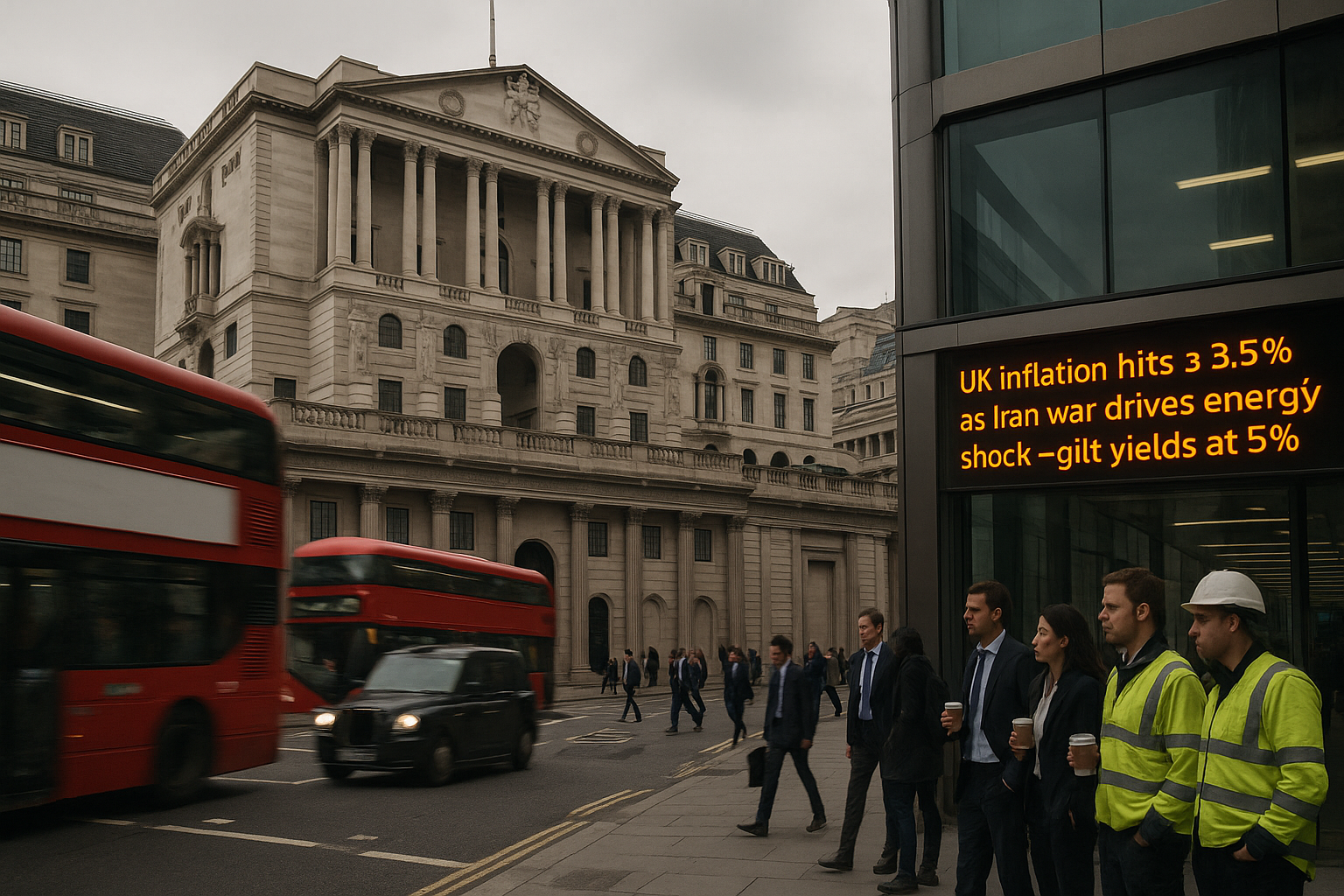
UK inflation accelerated to 3.3% in March 2026, official figures released on Wednesday showed, driven by a sharp jump in petrol prices caused by the escalating conflict in the Middle East — though economists expect the Bank of England to hold interest rates steady at its next meeting.
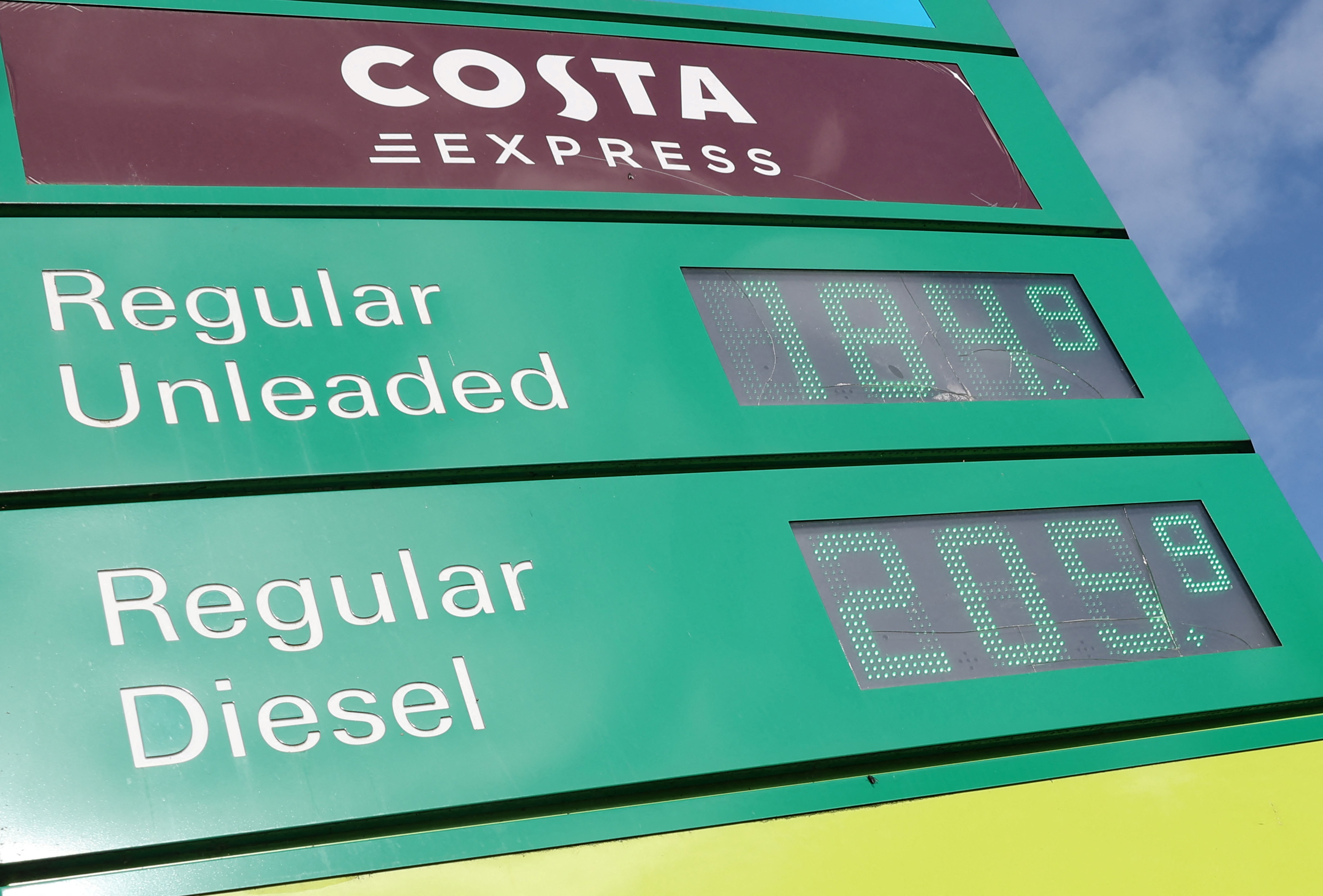
The Consumer Prices Index (CPI) rose to 3.3% in March, up from 2.8% in February, according to data published on 22 April. The increase was driven primarily by a significant rise in fuel costs, a direct consequence of Iran's actions in the Strait of Hormuz, which have disrupted global oil supply chains and sent energy prices sharply higher.
Bank of England Response
Despite the unwelcome rise in inflation, economists and market analysts do not anticipate an immediate response from the Bank of England's Monetary Policy Committee (MPC). The consensus view is that the MPC will likely hold interest rates at their current level when they meet next week, viewing the inflationary spike as an external supply-side shock rather than a symptom of an overheating domestic economy.
The Bank had previously seen a rare unanimous vote to hold rates, and the new energy-induced inflation is expected to provoke conflicting approaches among MPC members at future meetings. Some members are likely to argue for rate cuts to support the struggling economy, while others will be wary of easing policy while inflation remains above the 2% target.
IMF Warning
The inflation data comes after the International Monetary Fund issued a stark warning about the UK's economic prospects, sharply downgrading its growth forecast for 2026 to just 0.8% — the largest downward revision among all G7 economies. The IMF explicitly blamed the downgrade on the inflationary impact of the Iran war, which caused a severe energy price shock and is expected to force the Bank of England to maintain higher interest rates for longer than previously anticipated.
The IMF also predicted a notable rise in the UK's unemployment rate, forecasting it to climb to 5.6% in 2026 from 4.9% in 2025. For the full data, see Reuters' report.
What's Next?
With further strikes planned on the London Underground and energy prices remaining elevated, the outlook for UK consumers remains challenging. The government faces growing pressure to provide additional support for households struggling with higher fuel and energy bills, while the Bank of England navigates the difficult balance between controlling inflation and supporting economic growth.