Pfizer to Cut Over 100 Jobs at Cork Plant as Pharma Sector Faces Headwinds
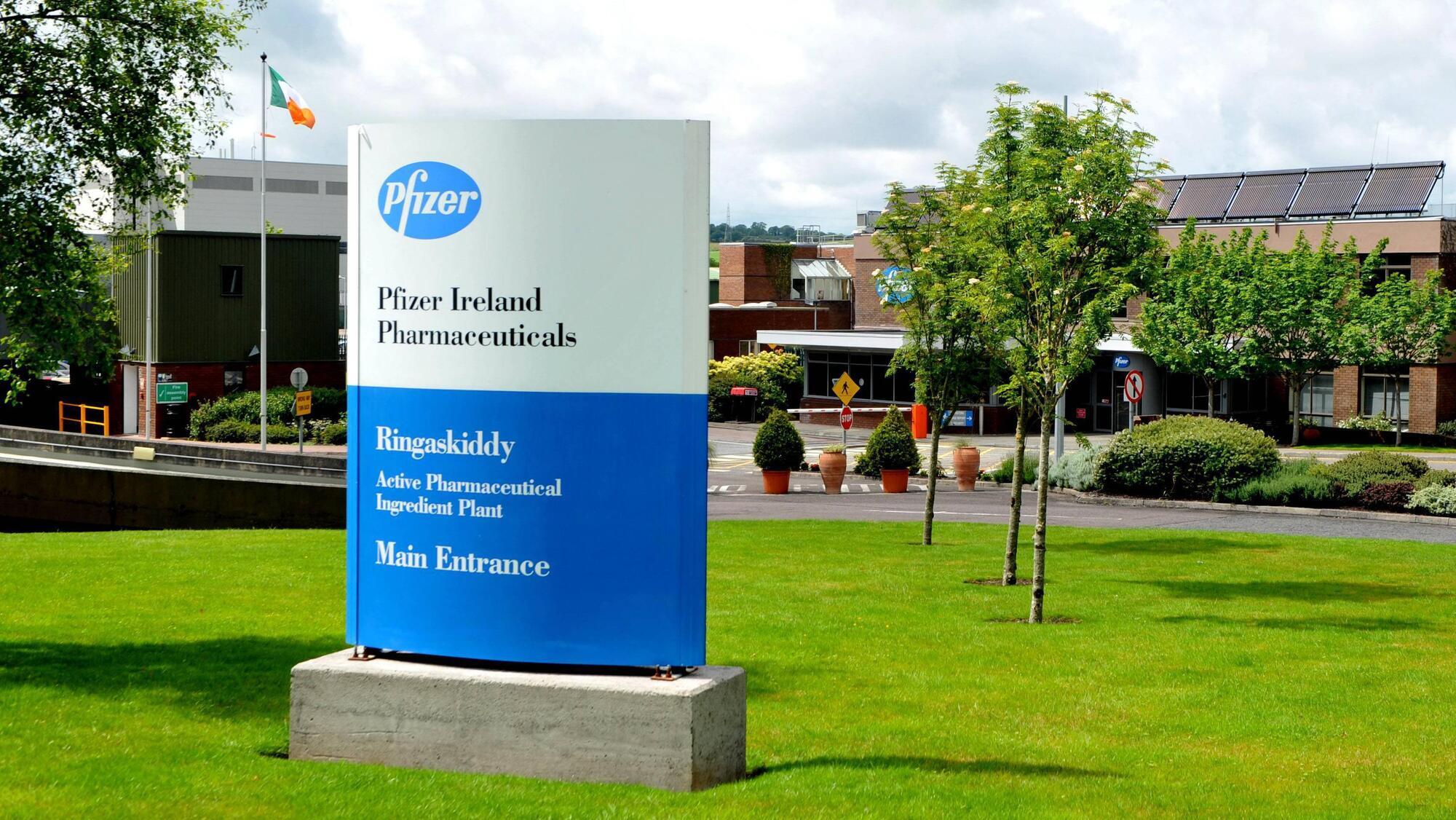
Pfizer has announced plans to cut 102 jobs at its Ringaskiddy plant in County Cork — approximately 12% of the facility's 800-strong workforce — through redundancies later this year, in a blow to one of Ireland's most important industrial sites and a stark illustration of the pressures facing the global pharmaceutical sector.
The cuts, scheduled to take effect between September and November 2026, are part of the pharmaceutical giant's ongoing global restructuring programme and come at a challenging time for a sector that has been a cornerstone of the Irish economy for more than half a century.
Background
The Pfizer plant in Ringaskiddy has been a cornerstone of the Cork economy for over 50 years. Established in 1969, it was one of the first pharmaceutical manufacturing facilities in Ireland and has grown to become Pfizer's largest production site outside of the United States. The plant has a long history of manufacturing active pharmaceutical ingredients for many of Pfizer's best-known drugs, including Viagra, and has evolved over the decades to incorporate research and development and clinical trial support, further cementing its importance to the Irish pharmaceutical landscape.
The job cuts are a direct consequence of a larger, multi-billion dollar global cost-cutting programme initiated by Pfizer in response to a significant decline in revenues from its COVID-19 products, Comirnaty and Paxlovid, and the looming "patent cliff" — a period in which several of its blockbuster drugs will lose patent protection and face competition from generic manufacturers. The company is aiming to achieve significant cost savings across its operations to improve efficiency and profitability in a more challenging commercial environment.
Key Developments
The 102 redundancies at Ringaskiddy are linked to an anticipated decrease in volume requirements for the plant's Small Molecule operations. The first redundancies are scheduled to take effect on 26 September 2026, with the final round on 26 November 2026. The company has stated that the reductions are a result of a continuous evaluation of its manufacturing network, and has indicated that the process will be managed in consultation with affected workers and their representatives.
The announcement has been met with concern by local politicians and community representatives, who have described the job losses as "devastating" and "very worrying." There have been calls for Pfizer to ensure that the redundancies are voluntary where possible, and for the Irish government to provide support for affected workers through retraining and job placement programmes. The news has also raised broader questions about the long-term future of pharmaceutical manufacturing in Ireland and the need to address the structural challenges facing the sector.
Why It Matters
Ireland's pharmaceutical sector is a global leader, accounting for a significant proportion of the country's exports and employing tens of thousands of highly skilled workers. However, the sector faces a number of challenges in 2026 that could impact its competitiveness and growth. Infrastructure deficits — including a lack of adequate housing, water, and energy capacity — are putting a strain on the sector's ability to expand. Talent shortages, cost pressures from the global push to reduce drug prices, geopolitical uncertainty arising from Brexit and potential changes in US trade policy, and a strengthening euro are all creating headwinds for Irish pharmaceutical manufacturers.
The Pfizer cuts are not an isolated event. The global pharmaceutical industry is undergoing a period of significant restructuring as companies adapt to the post-pandemic commercial environment, the patent cliff, and the increasing pressure from governments and insurers to reduce drug prices. For Ireland, which has built much of its economic success on attracting and retaining multinational pharmaceutical investment, the challenge is to ensure that the country remains competitive as the industry evolves.
Local Impact
For the Ringaskiddy community and the wider Cork region, the loss of 102 jobs at one of the area's most significant employers is a serious blow. The pharmaceutical sector in Cork has been a source of stable, well-paid employment for generations of workers, and the skills and expertise concentrated in the Ringaskiddy cluster are a significant regional asset. The redundancies will have ripple effects through the local economy, affecting suppliers, service providers, and the broader community. Local politicians have called on the government to engage with Pfizer and with IDA Ireland to explore options for attracting replacement investment to the region, and to ensure that affected workers receive the support they need to transition to new employment.
What's Next
Pfizer has indicated that it will continue to operate the Ringaskiddy facility and that the restructuring is focused on specific manufacturing lines rather than the plant as a whole. The company's long-term commitment to Ireland remains significant, with substantial ongoing investment in its Irish operations. However, the redundancies serve as a reminder that even the most established industrial anchors are not immune to the pressures of a rapidly changing global economy. RTÉ's report on the Pfizer job cuts and BioSpace's analysis of Pfizer's global restructuring provide the full context for this significant announcement.