UK Government to Cover Travel Costs for Child Cancer Patients as 200 Businesses Adopt Permanent Four-Day Week
The UK government has announced it will cover travel expenses for families of children undergoing cancer treatment in England, while a separate milestone has been reached as 200 UK businesses have now permanently adopted a four-day working week with no reduction in pay.
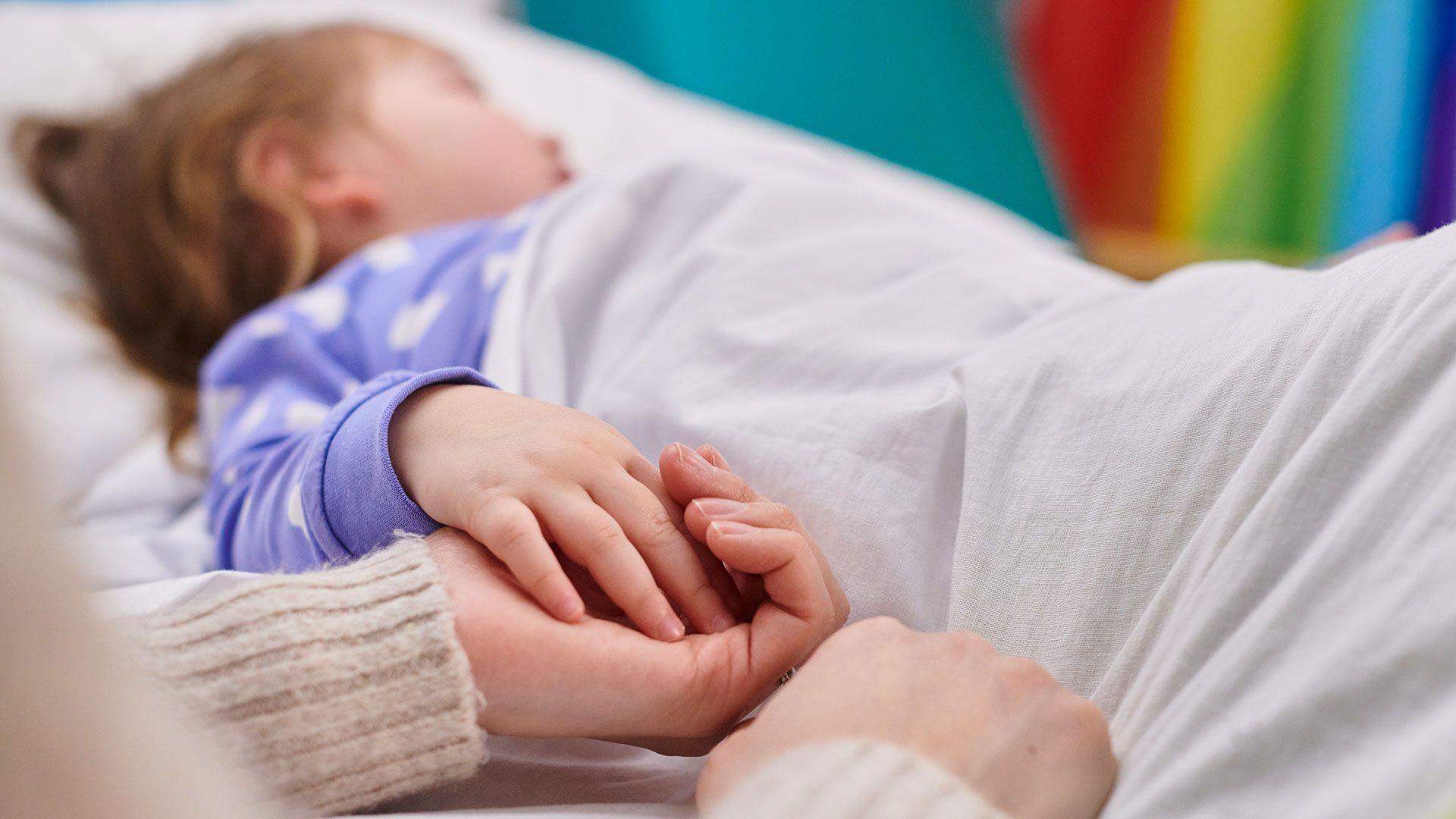
The cancer travel support package, worth £10 million annually, will reimburse travel costs for young people up to 24 years old receiving specialist cancer treatment in England. The initiative aims to alleviate the significant financial burden faced by families who must travel long distances to specialist treatment centres, often for months at a time.
Cancer Travel Support: What It Means for Families
Families of children and young adults with cancer frequently face substantial travel costs on top of the emotional and practical challenges of supporting a seriously ill child. Many specialist paediatric cancer centres are located in major cities, requiring families from rural areas or smaller towns to travel significant distances for treatment that can last months or even years.
The £10 million annual package will provide direct reimbursement for these costs, removing a financial barrier that has caused significant hardship for many families. The announcement has been welcomed by children's cancer charities, who have long campaigned for this type of support.
Four-Day Week: A Growing Movement
In a separate positive development, 200 UK businesses have now officially committed to a permanent four-day working week with no reduction in pay for their employees. This milestone follows successful trials that demonstrated improvements in staff wellbeing and productivity across a range of sectors, including technology and construction.
Joe Ryle of the 4 Day Week Foundation commented on the trend: "This is a progressive issue that the UK is leading on." It is estimated that around 5,000 employees are now benefiting from a shorter working week, with the movement continuing to gain momentum across the UK economy.
Other Positive UK Developments
The UK government has also rejected an emergency application for the use of Cruiser SB, a neonicotinoid pesticide linked to the decline of bee populations — a decision widely praised by ecologists as a crucial step in protecting vital pollinators. A major rewilding project on the Isle of Mull in Scotland has seen its native woodlands nearly double in size over 30 years, with the return of pine martens, white-tailed eagles, and golden eagles following the removal of sheep and deer from the area.
In a heartwarming story of community action, residents in the town of Frome have successfully secured a brownfield site for a community-led development. The Mayday Saxonville project will feature new homes, workspaces, and public facilities, setting a potential blueprint for similar grassroots initiatives across the country.
Why It Matters
At a time when many UK families are facing significant financial pressures from the cost of living crisis and the economic fallout of the Iran war, these positive developments offer a reminder of the resilience and compassion that characterise communities across the country. The cancer travel support package in particular will make a tangible difference to some of the most vulnerable families in the UK.