UK Facial Recognition Oversight 'Lagging Far Behind' as Police Scan 1.7 Million Faces in London
Britain’s leading biometrics and surveillance watchdogs have issued a stark warning that national oversight of AI-powered facial recognition technology is "lagging far behind" its rapid deployment by police forces across the country. The warning comes as new figures reveal London's Metropolitan Police scanned over 1.7 million faces in just the last year, an 87% increase, raising profound questions about privacy, consent, and the potential for a pervasive surveillance society.
Background
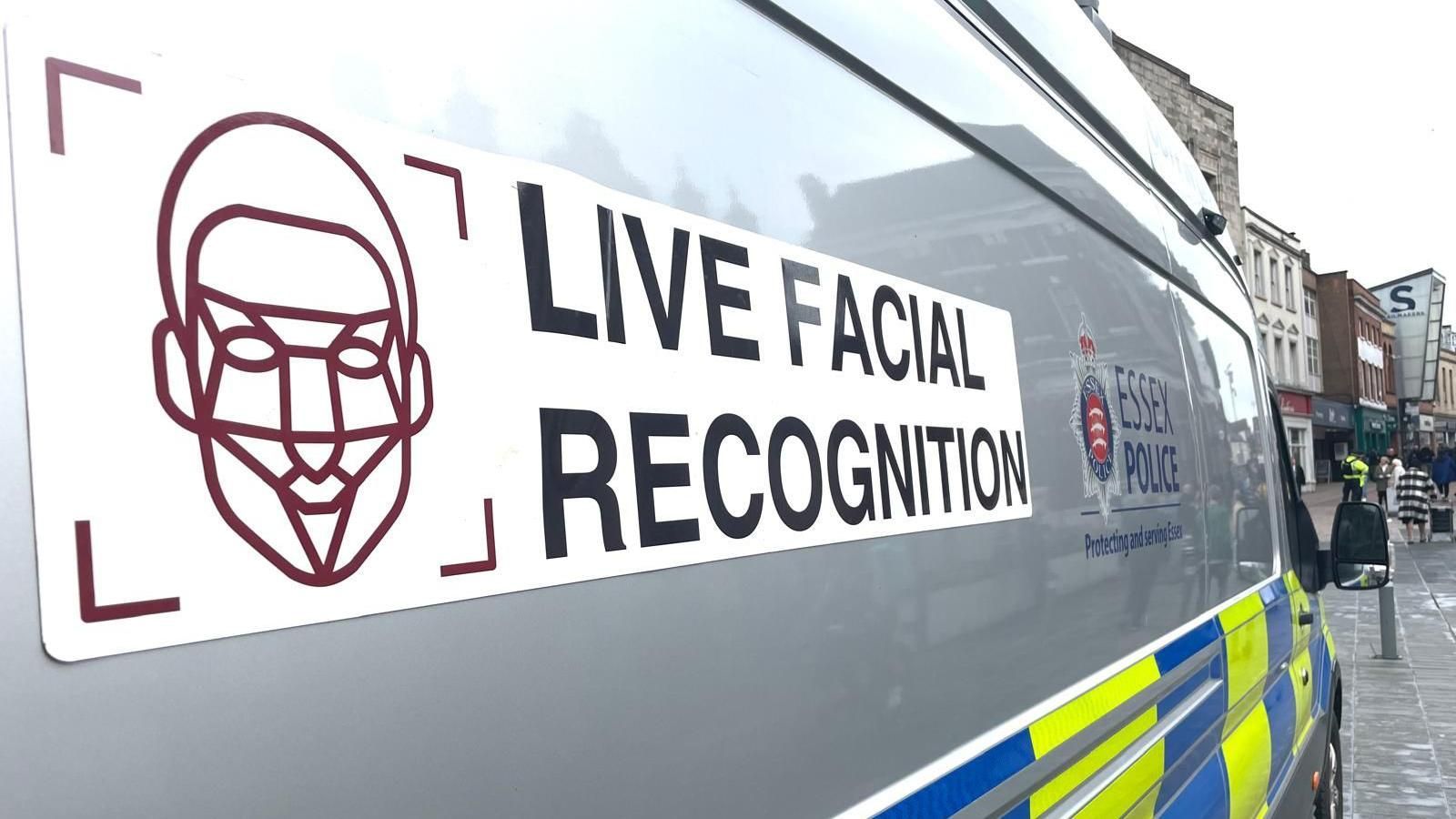
Live Facial Recognition (LFR) is a technology that uses artificial intelligence to compare live video feeds of faces in a crowd against a 'watchlist' of images, typically of individuals wanted by the police for specific offences. Police forces in the UK, most notably the Metropolitan Police and South Wales Police, have been trialling and increasingly deploying LFR at public events, transport hubs, and busy high streets. Proponents argue it is a vital tool for identifying dangerous criminals and improving public safety. However, civil liberties groups and privacy advocates have long warned of its potential for error, inherent biases, and the chilling effect it could have on freedom of expression and assembly.
Key Developments
A new report, highlighted by The Guardian, reveals the sheer scale of LFR's expansion. The Met Police's use of the technology has nearly doubled in a year, with over 1.7 million faces scanned. This dramatic increase has not been matched by legislative or regulatory progress. Professor William Webster, a leading academic in the field, commented that the "slow pace of legislation was trying to catch up with the real world." The UK’s Biometrics and Surveillance Camera Commissioner has repeatedly called for a clearer legal framework to govern the use of LFR, but progress has been slow. A recent poll cited in the report found that 57% of people believe the technology's proliferation is "another step towards turning the UK into a surveillance society," indicating significant public unease. Source: The Guardian.
Why It Matters
The unchecked expansion of facial recognition technology represents a fundamental shift in the relationship between the citizen and the state. Unlike traditional CCTV, LFR is an active surveillance tool that can identify and track individuals in real-time without their knowledge or consent. The lack of bespoke legislation means its use is governed by a patchwork of existing laws, which critics argue are inadequate for such an intrusive technology. This regulatory gap creates a risk of 'surveillance by stealth,' where powerful new capabilities are rolled out with minimal public debate or democratic oversight. The potential for misidentification, particularly of women and ethnic minorities where algorithms have been shown to be less accurate, could lead to wrongful stops and arrests, further eroding trust in policing. The debate strikes at the heart of the balance between security and privacy in a digital age.
Local Impact
While the most extensive use is in London, the implications are national. The Police Service of Northern Ireland (PSNI) has previously stated it is monitoring the use of LFR in other parts of the UK. Any future deployment in Belfast or other towns would raise the same concerns, perhaps even more acutely given the region's history of surveillance and contested policing. The introduction of such technology would require a major public consultation and a robust debate within the Northern Ireland Assembly to ensure it complies with human rights standards and has the confidence of all communities. The experience in London serves as a critical case study for how not to proceed: allowing the technology to outpace the law.
What's Next
Campaigners and watchdogs are intensifying their calls for the government to introduce specific legislation to regulate LFR. They are demanding a moratorium on its use until a clear legal framework, outlining when and how it can be deployed, is in place. This would include strict rules on the creation of watchlists, independent oversight of deployments, and transparent reporting on accuracy and error rates. The ongoing debate will be a key test for the government's commitment to balancing technological advancement with the protection of fundamental human rights. As the technology becomes more powerful and ubiquitous, the window for establishing meaningful control is closing. Further analysis is available at The Guardian.