UK Faces Sharpest G7 Growth Downgrade as Iran War Pushes Inflation Toward 4%
The United Kingdom has received the steepest growth downgrade of any G7 nation in the IMF's latest World Economic Outlook, with the fund warning that soaring energy prices driven by the Iran war could push UK inflation to nearly double the government's 2% target.
The IMF's April 2026 report, published on 14 April, cut the UK's 2026 growth forecast by 0.5 percentage points to just 0.8%, citing the country's particular vulnerability to energy price shocks as the Strait of Hormuz blockade continues to disrupt global oil and gas supplies.
Background
The UK imports a significant proportion of its energy and is therefore acutely exposed to global oil and gas price movements. The war in Iran, which began in late February 2026, has driven Brent crude above $100 a barrel, with the IMF warning that a prolonged conflict could see prices remain above $110 into 2027 — a scenario that could push global growth to approximately 2%, the threshold historically associated with worldwide recession.
Key Developments
UK inflation is projected to climb to almost 4% under the IMF's adverse scenario, creating a difficult policy environment for the Bank of England, which must balance the need to control inflation against the risk of further dampening already sluggish economic growth. Chancellor Rachel Reeves, currently in Washington for IMF and World Bank spring meetings, has publicly questioned whether US-Israeli military strikes have made the world safer, signalling a degree of divergence from Washington's approach to the conflict.
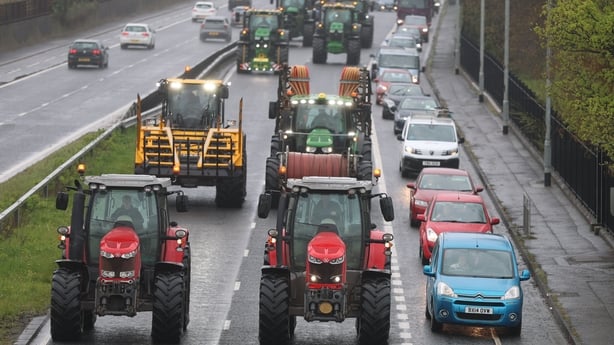
The First Minister of Scotland has separately urged the UK Government to implement measures to mitigate the impact of the Gulf crisis on fuel prices, echoing the widespread public anger seen in Ireland over the past week. The IMF has urged governments to focus on temporary, targeted emergency support rather than broad price caps, which it warned could be costly and poorly designed.
Why It Matters
For UK households already struggling with the cost of living, the prospect of inflation rising to 4% represents a significant additional squeeze on real incomes. Businesses face higher energy and transport costs, while the government's fiscal headroom is constrained by the need to balance support measures against borrowing targets.
What's Next
The Bank of England's Monetary Policy Committee will face increasing pressure to respond to rising inflation at its next meeting. Diplomatic efforts to end the Iran conflict remain the most effective route to economic stabilisation, according to the IMF. Sources: The Guardian, Al Jazeera