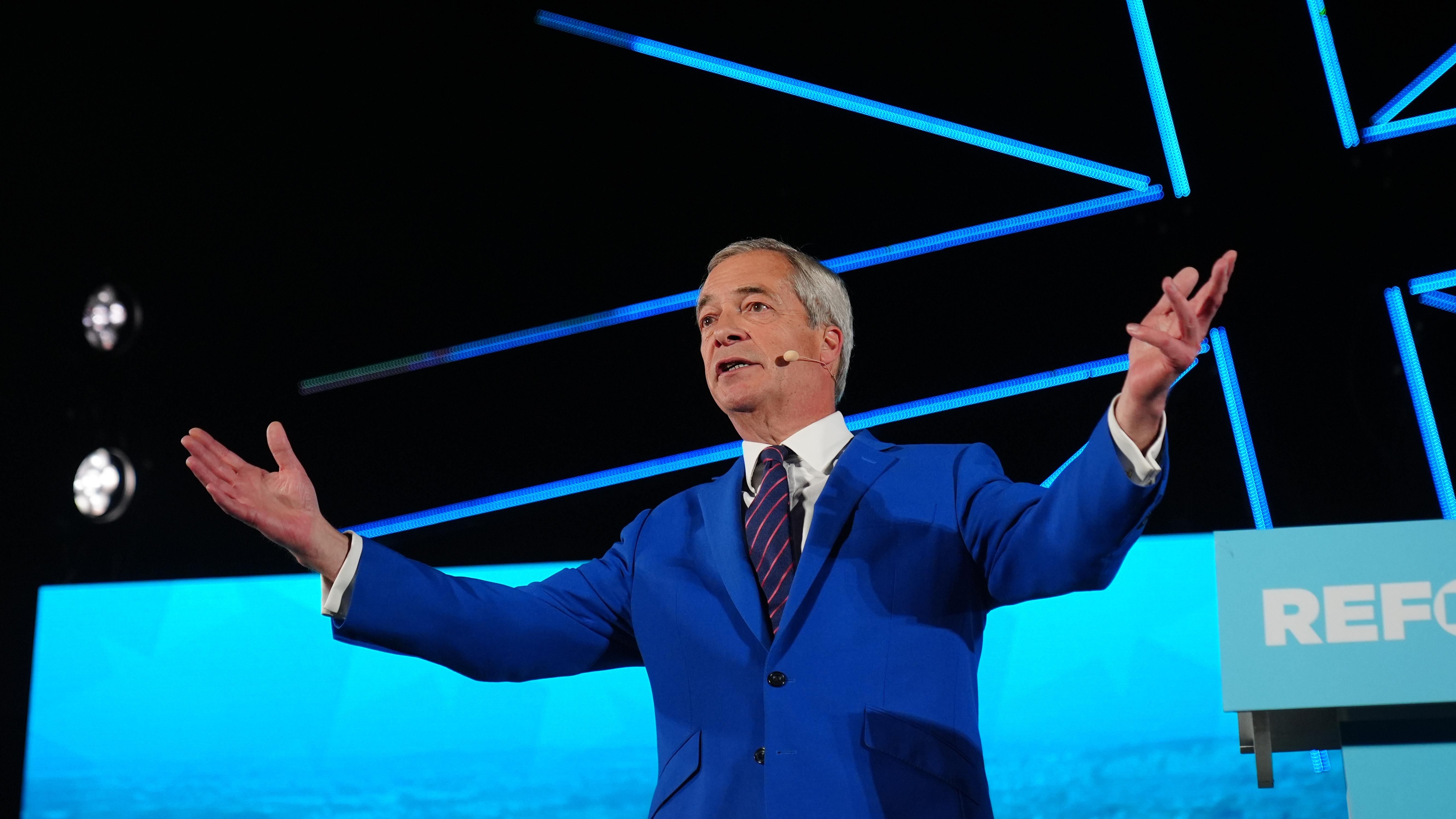
Reform UK Surge Forces Labour Into Defensive Strategy Ahead of May Elections
Prime Minister Keir Starmer's Labour government has shifted to a defensive electoral strategy as Nigel Farage's Reform UK continues to surge in the polls, with critical May 2026 council elections in England and parliamentary races in Scotland and Wales looming on the horizon.
Background
Labour's poll ratings have plummeted dramatically since their landslide 2024 general election victory. A YouGov poll showed Labour's support had collapsed from 34% at the election to just 17%, placing them in third position behind the Conservatives and Reform UK. A separate poll found that 70% of Britons disapproved of the government's record — a damning verdict for a party barely two years into office.
Key Developments
In response to the polling crisis, Labour strategists have adopted what insiders describe as an "incumbency first" model. Rather than targeting new seats in the anticipated 2029 general election, the party is now focused on protecting its existing Members of Parliament. This defensive posture reflects the severity of the threat posed by Reform UK, whose populist platform has successfully eroded Labour's support base across England.
At a cabinet meeting, Starmer framed the upcoming political contest in stark terms, defining it as a choice between "a Labour government renewing the country" and an opposition feeding on "grievance, decline and division." He urged ministers to maintain a "relentless" focus on delivering tangible improvements on cost-of-living issues.
Speaking to his cabinet, Sir Keir Starmer painted a grim picture of his main political opponents, stating, "They [Reform] want a weaker state, inject bile into communities, and appease [Putin]." He acknowledged the pressure his government was under, but maintained a resolute stance: "Governments lose when they lose belief or nerve."
The Celtic Nations Challenge
Adding to Labour's difficulties, opinion polls indicate that nationalist parties in Scotland, Wales, and Northern Ireland are on course for significant victories in the May elections. This outcome could see Plaid Cymru, the SNP, and Sinn Féin simultaneously controlling their respective devolved governments for the first time, presenting a formidable constitutional challenge to Westminster.
A senior Plaid Cymru source described the potential for a united nationalist front: "This could be a seismic change in British politics, presenting a united front from the Celtic nations demanding change from a London government that will be very English-focused."
Why It Matters
The May 2026 elections represent a critical test for Starmer's government. A poor performance could embolden internal critics and further strengthen Reform UK's position as the dominant force in English politics outside of Labour's urban heartlands.
What's Next
With the May 7th elections fast approaching, Labour is intensifying its ground operation and urging MPs to take credit for local improvements. The results will be seen as a major verdict on Starmer's leadership and the government's direction after nearly two years in power.