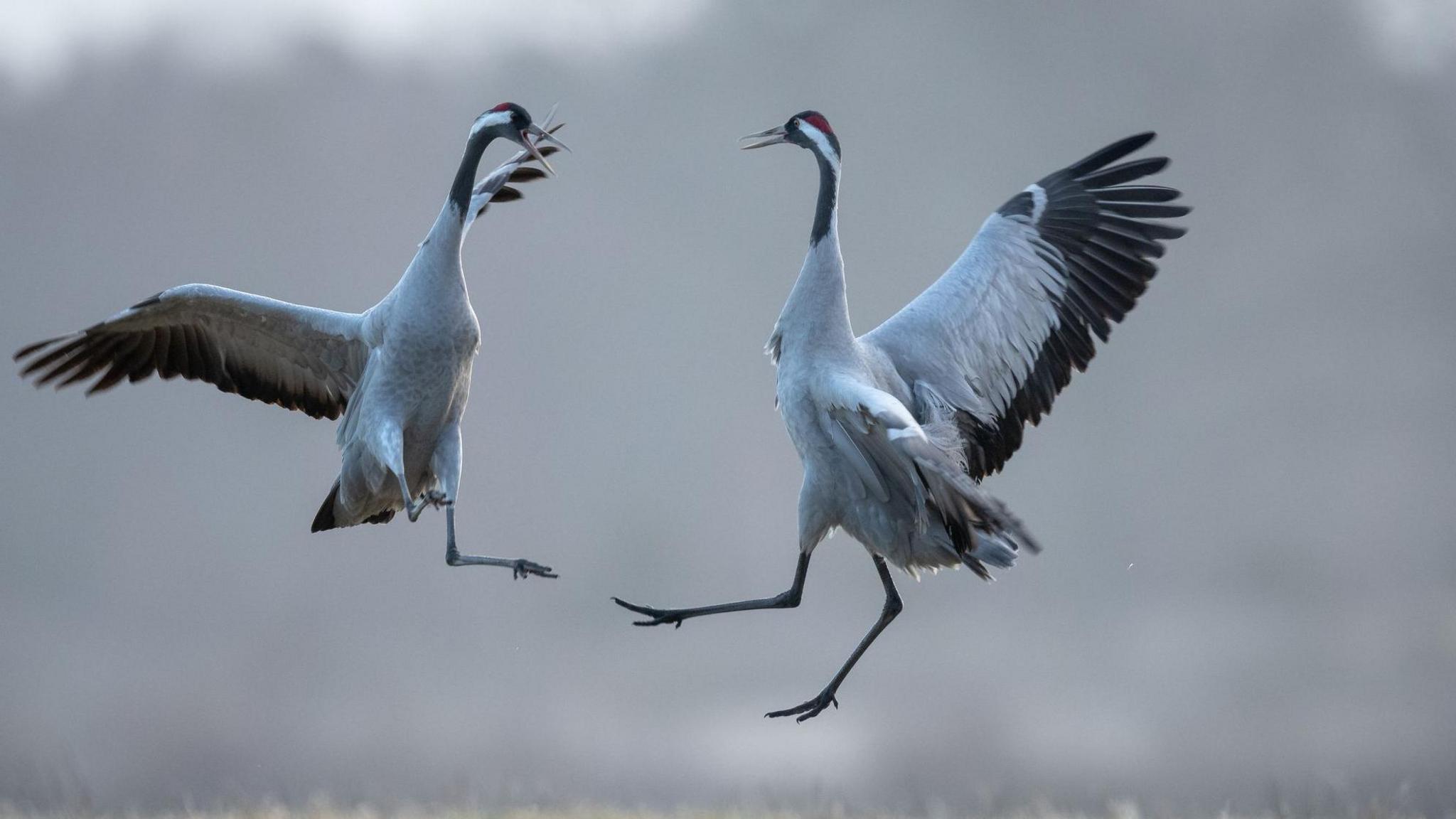
UK Cranes Soar to Record Breeding Numbers in Landmark Conservation Victory
The UK's tallest bird, the common crane, has achieved a record-breaking breeding season, with 87 pairs successfully raising 37 chicks in 2025 — the highest figures ever recorded in the country and a remarkable testament to decades of dedicated conservation work.
The news, announced by the RSPB this week, has been celebrated by wildlife enthusiasts and conservationists across Britain as one of the most uplifting nature stories in years.
Background
Common cranes, which can stand over a metre tall and have a wingspan of more than two metres, were absent from Britain for around 400 years, having been hunted to extinction and lost their wetland habitats to drainage. Their return began in 1979, when a small number of cranes were spotted in Norfolk, having naturally migrated back from continental Europe.
Since then, a combination of natural recolonisation and active conservation efforts — most notably the Great Crane Project, a collaboration between the RSPB, the Wildfowl and Wetlands Trust, and the Pensthorpe Conservation Trust — has steadily rebuilt the population. The Great Crane Project, active between 2009 and 2014, involved hand-rearing young birds in the Somerset Levels and Moors, with conservationists even dressing as cranes to ensure the birds did not imprint on humans.
Key Developments
The 2025 breeding season saw 87 pairs raise 37 chicks across the UK, bringing the total crane population to an estimated 250 birds. Approximately 80% of breeding cranes now nest on protected land, with a significant proportion found on RSPB reserves such as West Sedgemoor in Somerset and Lakenheath Fen in Suffolk.
Scotland has also seen encouraging progress, with at least 10 breeding pairs fledging 9 chicks in 2025 — Scotland's most successful breeding season in modern times since the species was lost there in the 16th century. Cranes are now breeding in regions beyond their original core areas, including Oxfordshire, Gloucestershire, and Wiltshire.
The RSPB has emphasised that the crane's comeback is a direct result of long-term habitat restoration and protection, particularly the conservation of wetlands. The charity has called for continued investment in larger, more connected wetland habitats to ensure the species can continue to thrive.
Why It Matters
For wildlife lovers across the UK, the crane's comeback is a powerful reminder of what can be achieved when conservation efforts are sustained over the long term. The species' recovery also reflects the broader health of Britain's wetland ecosystems, which support a wide range of other wildlife.
The story is particularly resonant at a time when many UK species continue to face serious threats from habitat loss, climate change, and avian influenza. The crane's success offers a model for how targeted, patient conservation work can reverse even the most severe declines.
What's Next
Conservationists are cautiously optimistic about the crane's future in the UK, but emphasise that the species remains vulnerable. Climate change poses ongoing risks to wetland habitats through drought and flooding, and avian influenza has had a significant impact on crane populations in Europe. Continued protection and habitat restoration will be essential to sustaining the recovery.
The full RSPB report on the crane's record breeding season is available via the RSPB website, and the story is also covered by BBC News.