UK Business Insolvencies Surge as Franco Manca and Meatliquor Join Growing List of Casualties
UK company insolvencies rose to 2,022 in March 2026 — a 7% increase from the previous month — as high energy costs, rising inflation driven by the Iran conflict, and increased tax burdens continue to squeeze businesses across the retail, hospitality, and manufacturing sectors.
Background
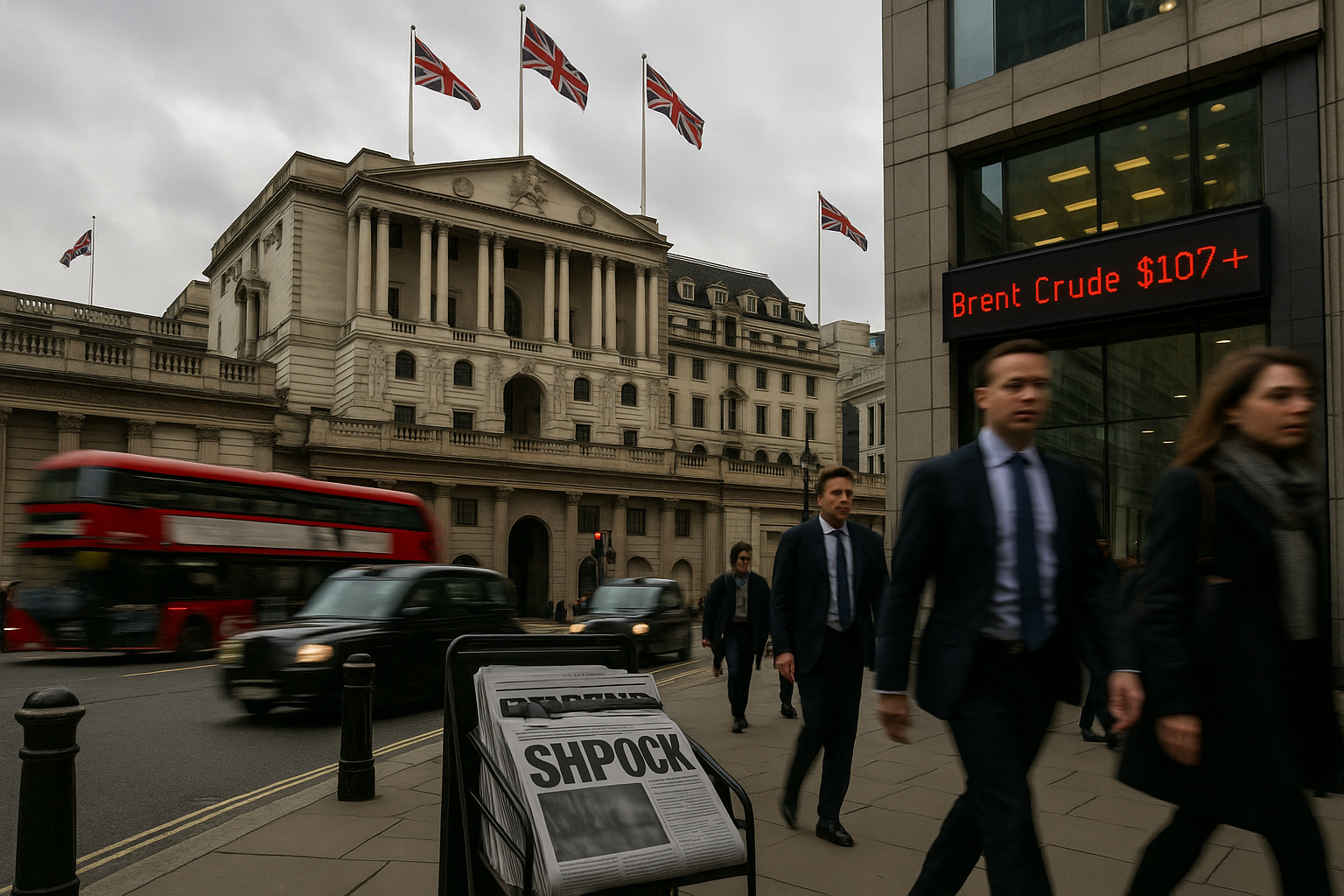
The UK business landscape has been under sustained pressure throughout 2026, with geopolitical instability in the Middle East pushing oil prices above $96–$98 per barrel and driving UK inflation to 3.3% in March. The combination of higher energy bills, increased employer National Insurance contributions, and weakening consumer confidence has created a perfect storm for businesses already operating on thin margins.
Key Developments
Franco Manca, the Italian pizza chain, is entering a Company Voluntary Arrangement (CVA) and plans to close several UK sites, resulting in 225 job losses. The company cited high inflation, rising energy and food prices, and increased labour costs as the primary drivers. Meatliquor, the UK burger restaurant chain, has gone into administration, closing five of its eight sites due to VAT, rates, beef prices, energy costs, and geopolitical uncertainty.
Scottish business insolvencies reached their highest levels in 12 months by 21 April 2026, and overall business insolvencies for March were at their highest in over six months. Denby Pottery, the historic Derbyshire ceramics firm, ceased manufacturing and entered administration due to rising energy and labour costs, leading to 49 redundancies. Davis Wright Haulage, specialising in the construction sector, has also filed a Notice of Intention to appoint administrators.
Consumer confidence has dropped sharply to its lowest level since mid-2023, with the GfK Consumer Confidence Barometer falling four points to -25 in April — the biggest drop in a year. The share of UK consumers expecting price increases in the year ahead rose to 85%, the highest since November 2022. Youth unemployment is at its highest level in a decade, and payroll numbers fell by 11,000 in March — the biggest drop since November.
Why It Matters
HMRC is intensifying enforcement activity, issuing a high volume of winding-up petitions against persistent non-payers. The Food and Drink Federation warns that food inflation could rise to 9–10% this year due to supply chain disruption and higher energy costs. Venture capital investment reached a four-year high of £7.2 billion in Q1, largely driven by AI-focused deals in London, but 85% of funding was concentrated in the capital, leaving much of the country behind.
What's Next
The Bank of England is expected to review interest rate policy in the coming weeks. Business groups are calling on the government to reduce non-commodity costs embedded in electricity pricing and to provide targeted support for the hospitality and manufacturing sectors. The April 2026 business rates revaluation poses a further risk, with some operators facing increases of up to 400%.