UHG Lab Backlog of 3,449 Patient Samples Exposed as Private Hospital Deal Draws Dáil Scrutiny
University Hospital Galway's laboratory is carrying a backlog of 3,449 patient samples — including those awaiting cancer diagnoses — while simultaneously processing work for a private hospital under a service-level agreement that has drawn fierce criticism in the Dáil and prompted the HSE to confirm the arrangement will be terminated in September.
Background
The controversy over public-only consultant contracts has been one of the most significant healthcare policy battles of the current Dáil term. The Public-Only Consultant Contract (POCC), introduced in 2023 as a cornerstone of the Sláintecare reform programme, was designed to end the practice of hospital consultants conducting private work in public hospitals — a practice that critics argued diverted public resources to private patients and created a two-tier system in which those who could afford private health insurance received faster and better care.
The implementation of the POCC has been contentious from the outset. Many consultants refused to sign the new contract, preferring to retain their existing arrangements that allowed private practice. The government has been under sustained pressure from opposition parties to enforce the contract rigorously and to ensure that public hospital resources are used exclusively for public patients.
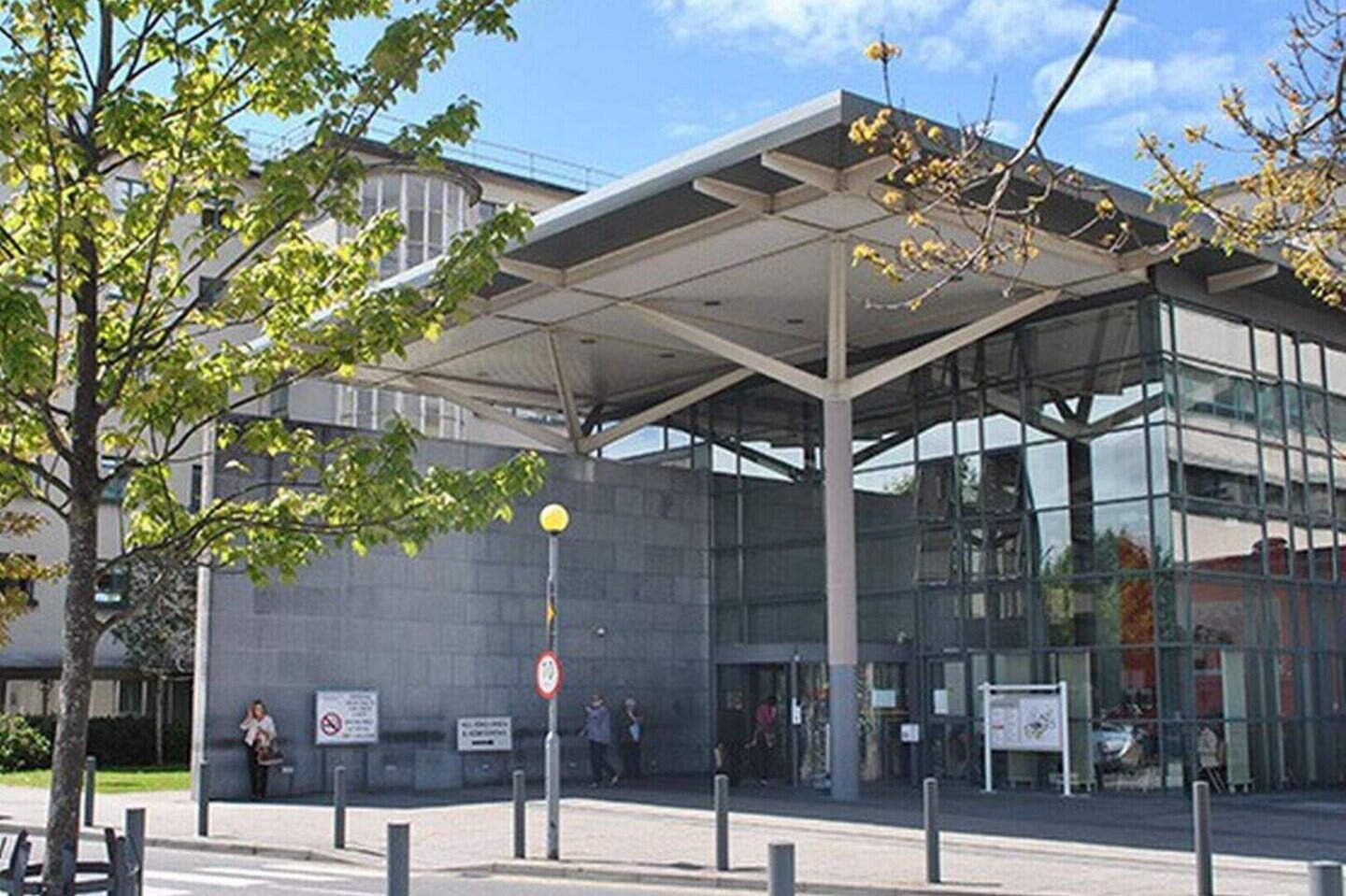
University Hospital Galway, the principal acute hospital for the west of Ireland, has been at the centre of the controversy. The hospital serves a catchment area of over 500,000 people across Galway, Mayo, and Roscommon, and its laboratory provides diagnostic services for a wide range of conditions, including cancer, infectious disease, and metabolic disorders. The revelation that a quarter of the laboratory's workload has been servicing the private Bon Secours Hospital under a service-level agreement has raised serious questions about the management of public hospital resources.
Key Developments
The backlog of 3,449 patient samples at UHG's laboratory was revealed in the Dáil on 6 July by Social Democrats deputy leader Cian O'Callaghan, who described the situation as 'the reality of the two-tier system, where public resources are overwhelmed, and public patients are left waiting at a huge personal cost.' O'Callaghan raised particular concern about patients awaiting cancer diagnoses, for whom delays in laboratory results can have life-or-death consequences.
The HSE confirmed that a service-level agreement between UHG's laboratory and the private Bon Secours Hospital has been in place for a number of years, under which the public hospital's laboratory processes samples from the private facility. The agreement accounts for approximately 25% of the laboratory's total workload. The HSE confirmed that the agreement is scheduled to end on 30 September 2026, following the controversy over public-only consultant contracts and the government's commitment to ending the use of public resources for private healthcare.
Taoiseach Simon Harris, responding to questions in the Dáil, reaffirmed the government's commitment to full implementation of the POCC: 'The public-only contract will be fully implemented. There will be no deviations, no exceptions.' The Taoiseach acknowledged that the UHG situation represented a failure of the principles underlying the POCC and committed to a full HSE review of similar arrangements across the public hospital system.
Why It Matters
The UHG laboratory controversy is significant because it illustrates the gap between the government's stated commitment to ending the two-tier health system and the reality of how public hospital resources are actually being used. The fact that a public hospital laboratory is carrying a backlog of nearly 3,500 patient samples while simultaneously processing work for a private hospital is, as O'Callaghan argued, a direct manifestation of the two-tier system that the POCC was designed to dismantle. For context, laboratory delays are a significant contributor to the overall waiting time experience for patients in the Irish health system. A delay in receiving a laboratory result can add weeks or months to a patient's diagnostic journey, with potentially serious consequences for conditions such as cancer, where early diagnosis is critical to treatment outcomes. The HSE's own data suggests that laboratory turnaround times at UHG have been consistently above the national target for the past two years.
Local Impact
The impact of the laboratory backlog is felt most directly by patients in the west of Ireland who are awaiting diagnostic results from UHG. The hospital's catchment area includes some of the most rural and geographically isolated communities in Ireland, where access to alternative diagnostic services is limited. Patients in Connemara, south Mayo, and east Galway who are referred to UHG for laboratory tests have no practical alternative if the hospital's turnaround times are extended. The Saolta University Health Care Group, which manages UHG along with hospitals in Sligo, Letterkenny, Portiuncula, and Roscommon, has been asked by the HSE to develop a plan for managing the laboratory backlog following the termination of the Bon Secours agreement. The group has indicated that it will need additional staffing and equipment to absorb the workload currently being processed for the private hospital.
What's Next
The HSE's agreement with Bon Secours Hospital is scheduled to end on 30 September 2026. The HSE has committed to publishing a plan for managing the transition before the end of July, including measures to address the existing backlog of 3,449 samples. The Oireachtas Committee on Health is expected to invite HSE officials and UHG management to give evidence on the laboratory situation in September. The HSE's national review of similar service-level agreements between public and private hospitals is expected to be completed by the end of August, with findings reported to the Minister for Health. Patients awaiting laboratory results from UHG have been advised to contact their GP or consultant if they have concerns about delays.