HIQA Review Estimates Twice-Yearly Covid Vaccine for Over-80s Would Cost €112 Million Over Five Years
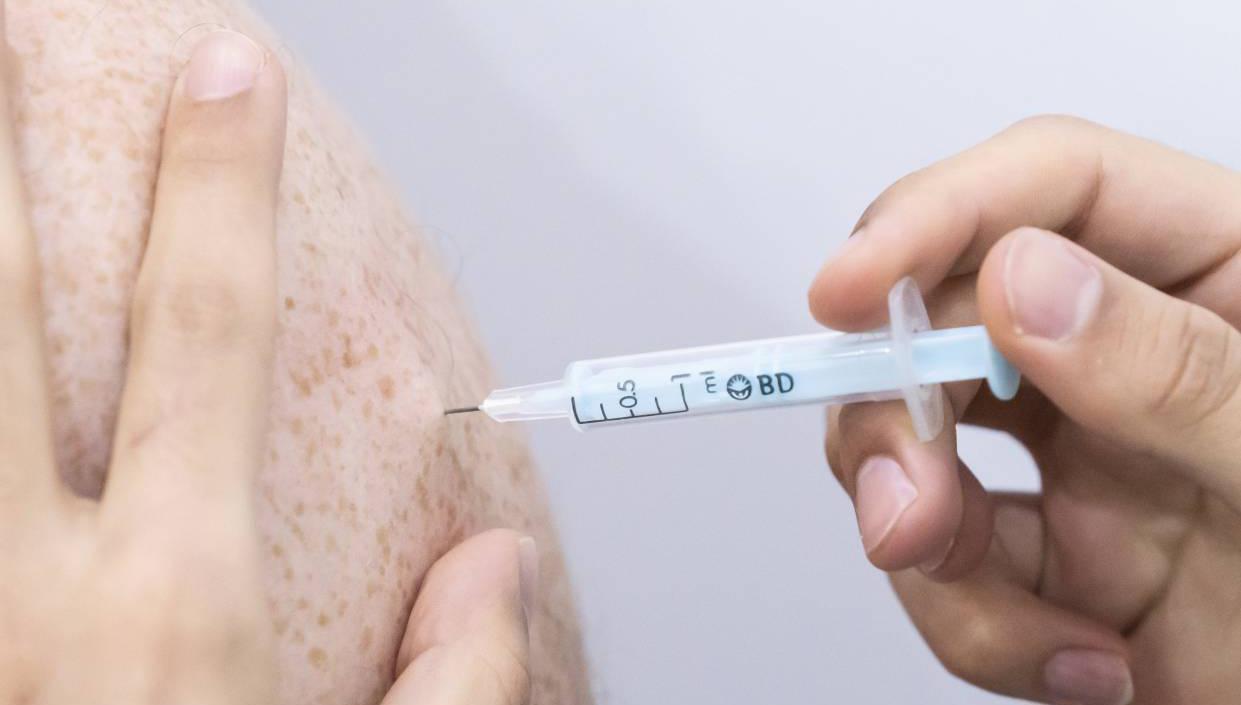
A review by the Health Information and Quality Authority has estimated that providing a twice-yearly Covid-19 vaccine for people aged 80 and over would cost approximately €112 million over a five-year period, as Ireland's health authorities grapple with the question of how to manage Covid vaccination on a sustainable long-term basis as the virus transitions from pandemic emergency to endemic management.
Background
Ireland's Covid-19 vaccination programme was one of the most successful public health interventions in the country's history, with the HSE delivering millions of doses to the population in a remarkably short period during 2021 and 2022. The programme played a central role in reducing severe illness and death from Covid-19 and in enabling the gradual return to normal life after the restrictions of the pandemic period.
As the acute phase of the pandemic has receded, the question of how to manage Covid vaccination on a long-term basis has become increasingly pressing. The virus has not disappeared — it continues to circulate in the community and to cause significant illness, particularly among older people and those with underlying health conditions — but the emergency framework that governed the initial vaccination programme is no longer appropriate for what is now an endemic disease.
HIQA — the Health Information and Quality Authority — is the independent body responsible for assessing the clinical and cost-effectiveness of health technologies in Ireland, including vaccines. Its review of the future of the Covid vaccination programme is the most comprehensive assessment of the issue to date, and its findings will inform the government's decisions about the long-term vaccination strategy.
Key Developments
The HIQA review examined a range of options for the future of the Covid vaccination programme, from discontinuing routine vaccination entirely to providing annual or twice-yearly vaccines to specific high-risk groups. The review's central finding — that providing a twice-yearly vaccine for people aged 80 and over would cost approximately €112 million over five years — provides a concrete cost estimate for one of the most clinically justified options.
The review also examined the clinical evidence for the effectiveness of Covid vaccination in older age groups, finding that the vaccines continue to provide meaningful protection against severe illness and hospitalisation, particularly in the over-80 age group. The cost-effectiveness analysis suggests that the twice-yearly vaccination programme for this group would represent good value for money relative to the costs of hospitalisation and intensive care that it would prevent.
The National Immunisation Advisory Committee will consider the HIQA review's findings and make recommendations to the Minister for Health about the future vaccination programme. The minister has indicated that a decision on the long-term strategy will be made before the end of the year.
Why It Matters
The HIQA review matters because it provides a rigorous, evidence-based framework for making decisions about the future of Covid vaccination that goes beyond the political pressures and public fatigue that have complicated the issue in many countries. The €112 million cost estimate for a twice-yearly programme for over-80s is significant but not prohibitive in the context of Ireland's overall health budget, and the clinical evidence for the programme's effectiveness is strong.
The broader question of how to manage Covid as an endemic disease — including vaccination, surveillance, and treatment — is one that all developed health systems are grappling with, and Ireland's approach will be watched closely by other countries. The HIQA review's methodology and findings are likely to be of interest to health authorities in other jurisdictions as they develop their own long-term Covid management strategies.
Local Impact
A twice-yearly vaccination programme for over-80s would be delivered through the existing HSE vaccination infrastructure, including GP surgeries, pharmacies, and community vaccination centres. In rural areas, where access to GP services can be limited, the HSE would need to ensure that mobile vaccination units or other outreach mechanisms are available to reach older people who cannot easily travel to fixed vaccination sites. The programme would also have implications for the HSE's workforce planning, as the delivery of twice-yearly vaccines to a large population requires significant nursing and administrative capacity.
What's Next
The National Immunisation Advisory Committee will meet in the coming weeks to consider the HIQA review's findings and to formulate its recommendations to the Minister for Health. The minister has indicated that a decision on the long-term Covid vaccination strategy will be made before the end of 2026, with the aim of having a clear framework in place for the 2027 vaccination season. The HSE will begin planning for the implementation of whatever programme is decided upon, including the procurement of vaccines and the development of the delivery infrastructure.