Tusla Crisis: Children in State Care Left 'Wandering the Streets' as Agency Overrules Conflict of Interest Warnings
A comprehensive investigation has laid bare the scale of the crisis engulfing Tusla, the State's child and family agency, revealing that children under the care of the State have been left without appropriate placements — in some cases spending days sitting in Tusla offices or wandering the streets — while the agency's management overruled internal warnings about conflicts of interest to award a €2.5 million contract to a private residential care provider.
Background
Tusla was established in 2014 as a dedicated child and family agency, separated from the HSE with the explicit intention of giving child protection and welfare services the focused leadership and resources they required. The agency was created in the wake of a series of high-profile failures in child protection that had exposed systemic weaknesses in how the State identified and responded to children at risk.
For several years, Tusla operated with a degree of stability, but the pressures on the system have intensified dramatically in recent years. The number of children requiring residential care — the most intensive and expensive form of State intervention — has grown significantly, driven by a combination of factors including rising rates of family breakdown, the increasing complexity of the needs presenting to the system, and a surge in the number of unaccompanied child asylum seekers arriving in Ireland who require immediate care and protection.
The agency's response to this growing demand has been to rely increasingly on "Special Emergency Arrangements" — essentially, placing children in hotels, bed-and-breakfasts, and rented apartments when no registered residential care place is available. These arrangements are unregulated, uninspected, and widely regarded by child protection professionals as wholly inadequate for children who are, by definition, among the most vulnerable in the State.
Key Developments
The Irish Times investigation, published on Monday, reveals that the crisis has reached a point where children in State care have been left without any placement at all — spending days in Tusla offices while staff scramble to find somewhere for them to go, or, in the most alarming cases, effectively left to their own devices in circumstances that expose them to serious risk. The High Court has already found Tusla in contempt of court for failing to provide court-ordered special care placements, with Ms Justice Emily Egan warning that children were at a "real risk" of death due to the agency's failures.
The governance dimension of the crisis is equally troubling. Internal documents obtained by the Irish Times reveal that Tusla management overruled an internal assessment panel that had recommended against awarding a €2.5 million contract to a company called Dunlicky View Residential. The panel had flagged significant concerns, including undisclosed conflicts of interest involving former Tusla employees and questions about the company's financial stability and value for money. Senior officials proceeded with the contract regardless, arguing that the risks of leaving children in hotels were greater than the risks posed by the company's shortcomings.
Why It Matters
The Tusla crisis is a failure of the State in its most fundamental obligation: the protection of children who have been removed from their families because those families cannot keep them safe. When the State takes a child into care, it assumes a duty of care that is absolute. The revelation that children in State care are being left without placements, or placed in unregulated accommodation, represents a profound breach of that duty.
The governance failures compound the problem. The decision to overrule internal conflict of interest warnings in order to secure additional beds reflects the desperation of an agency that has run out of options — but it also raises serious questions about accountability and oversight. Tusla's board and senior management have a responsibility to ensure that procurement decisions are made in accordance with proper governance standards, and the evidence suggests that this responsibility was not met.
Local Impact
The consequences of the crisis are felt most acutely by the children themselves — young people who are already among the most vulnerable in Irish society, many of whom have experienced abuse, neglect, or trauma before coming into State care. For these children, the instability of being moved between hotels, offices, and emergency placements is not merely inconvenient; it is actively harmful, disrupting the therapeutic relationships and stable environments that are essential to recovery and development. Social workers, many of whom are working under enormous pressure with caseloads that exceed recommended limits, are also bearing the human cost of a system that is failing.
What's Next
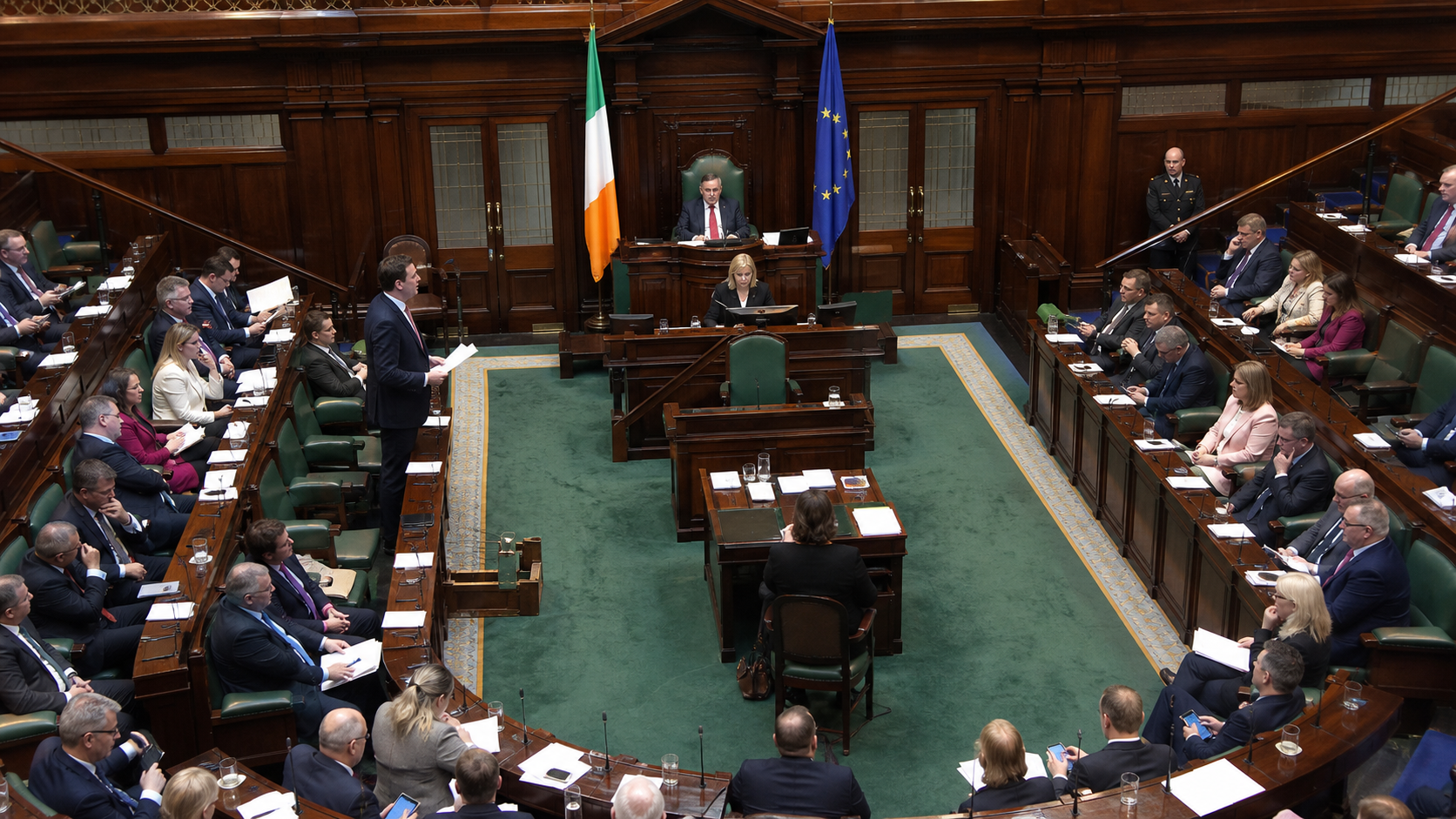
The Minister for Children, Roderic O'Gorman, is expected to make a statement to the Dáil on the Tusla crisis when the Oireachtas returns from recess. The government has allocated €26 million in the 2026 budget to special care, and Tusla has implemented new recruitment campaigns and improved salary scales for special care workers. However, child protection advocates argue that these measures, while welcome, do not address the fundamental structural problems in the system. A comprehensive review of Tusla's governance and operational capacity is widely regarded as essential, and calls for an independent inquiry into the agency's management of the crisis are growing.