Women Accuse Health Minister of 'Bullying' Over Private Maternity Care Phase-Out as Anger Mounts
Hundreds of women have written to Health Minister Jennifer Carroll MacNeill in terms of extraordinary anger, accusing her of "grandstanding", "bullying", and ignoring their concerns over the government's decision to phase out private maternity care in publicly funded hospitals — correspondence released under Freedom of Information that reveals the depth of public fury at a policy that is already affecting women's access to obstetric services across the country.
Background
The phase-out of private maternity care in public hospitals is a consequence of the government's implementation of the Public-Only Consultant Contract, introduced as part of the broader Sláintecare healthcare reform programme. The contract, which is mandatory for all new consultants hired since 2023, prohibits the holder from engaging in private practice within public hospitals. As older consultants who were on previous contracts retire, they are being replaced by staff on public-only terms, gradually eliminating the capacity for private obstetric practice in public maternity units.
The policy is driven by a principle of equity: the government argues that public hospitals should serve public patients, and that the existence of private practice within public facilities creates a two-tier system in which those who can afford to pay receive faster and more personalised care. The Sláintecare vision is of a universal, single-tier health system in which access is determined by clinical need rather than ability to pay.
In practice, however, the phase-out has created significant disruption. Unlike other medical specialties, maternity care in Ireland has no dedicated private hospital sector — there are no private maternity hospitals to which women can turn if they wish to continue with private obstetric care. The elimination of private practice in public hospitals therefore leaves women with no alternative, a situation that has generated intense criticism from patient advocates and from women who have built relationships with specific consultants over the course of their pregnancies.
Key Developments
The correspondence released under Freedom of Information — reported by The Journal on Thursday — reveals the scale and intensity of public opposition to the policy. Women from across the country have written to the minister in terms that go well beyond polite disagreement, accusing her of failing to listen, of prioritising ideology over patient welfare, and of treating women's concerns with contempt.
By August 2026, Sligo University Hospital and Midland Regional Hospital Portlaoise had ceased offering private maternity care entirely, as their consultants transitioned to public-only contracts. At the National Maternity Hospital in Dublin, approximately 150 women were turned away from private care in a six-week period leading up to July 2026, as consultants found themselves unable to accommodate private patients under their new contract terms.
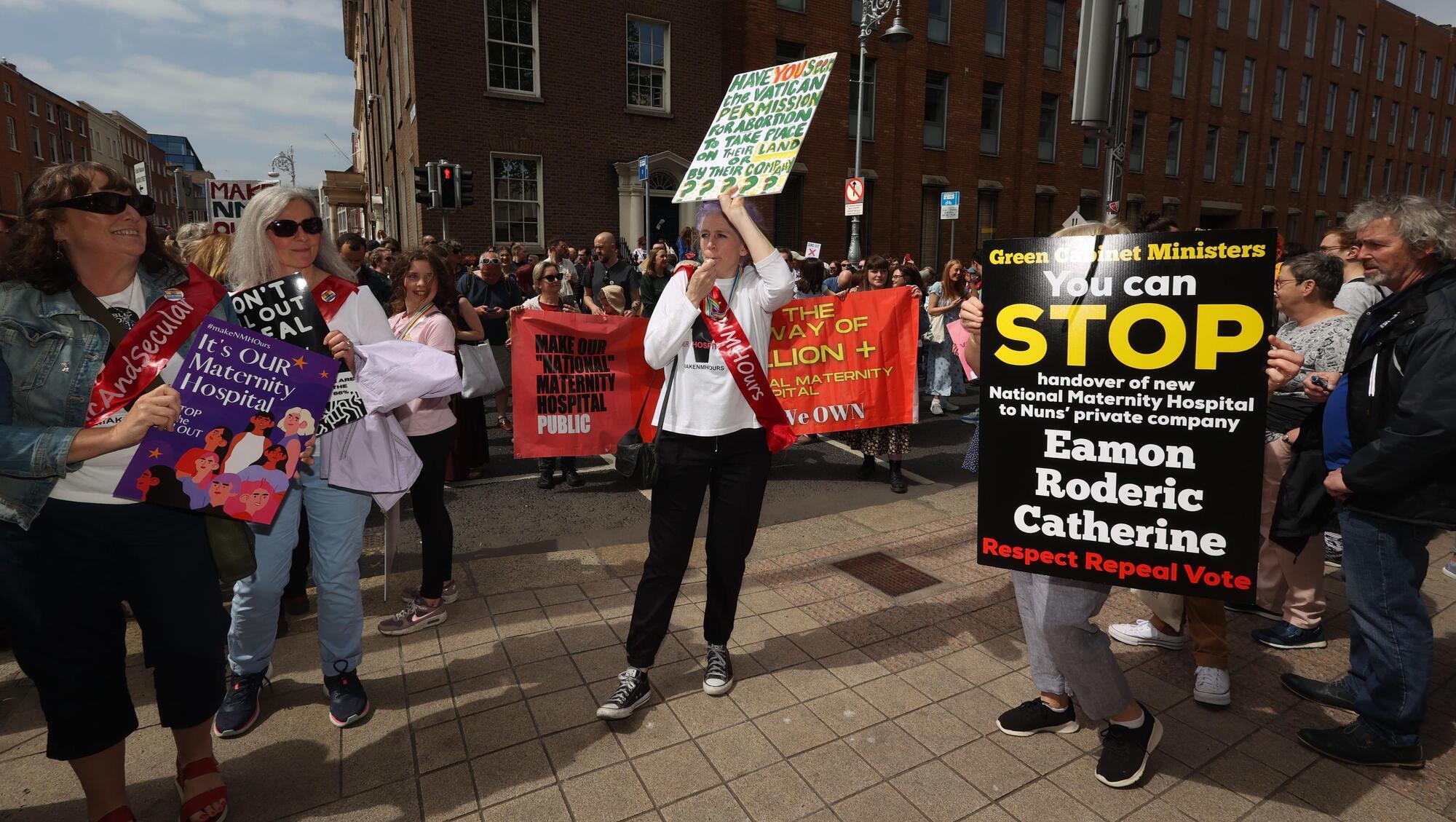
The advocacy group "Our Maternity Choice" has been at the forefront of opposition to the policy, arguing that women should retain the right to choose their model of care and that the continuity of care offered by private obstetric practice — seeing the same consultant throughout pregnancy and birth — is a genuine clinical benefit that the public system cannot currently guarantee. The HSE has acknowledged that, in practice, the public system cannot guarantee that a patient will see the same consultant or midwife at every appointment.
Why It Matters
The private maternity care controversy cuts to the heart of a fundamental tension in Irish healthcare policy: the conflict between the principle of universal, equal access and the reality of a system that has historically accommodated private practice within public facilities. The Sláintecare vision is admirable in its ambition, but the transition to a genuinely single-tier system is proving far more disruptive in practice than its architects anticipated.
The specific case of maternity care is particularly charged because it involves women at one of the most vulnerable and significant moments of their lives. The relationship between a pregnant woman and her obstetrician is not merely transactional; it involves trust, continuity, and the kind of personalised attention that is difficult to replicate in a busy public clinic. Women who have chosen private care — and who have budgeted for it — are finding that choice removed without an adequate public alternative being put in place first.
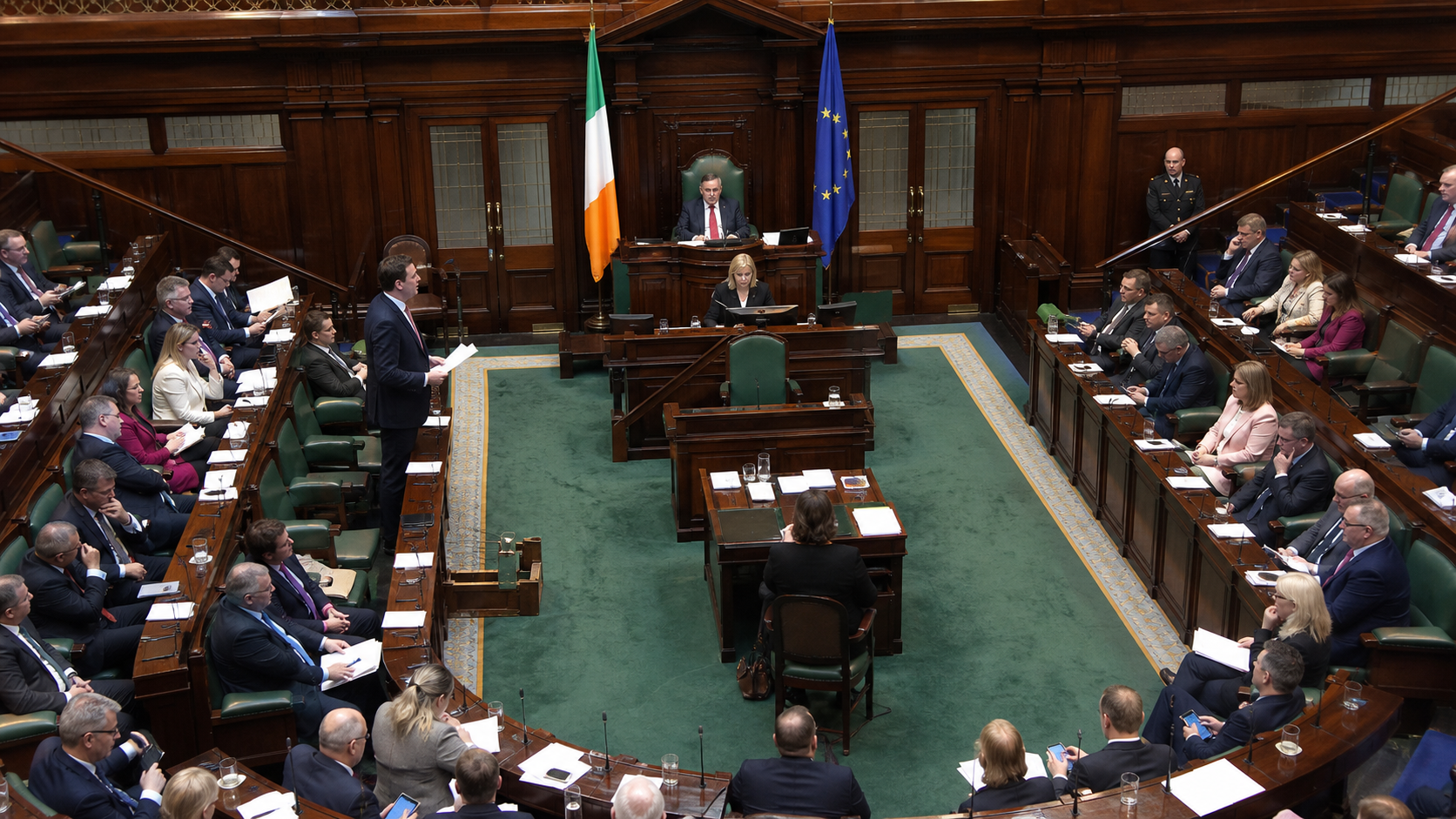
The political fallout is also significant. The correspondence released under FOI suggests that the policy is alienating voters who might otherwise be sympathetic to Fine Gael, the minister's party. Several letters explicitly state that the writer will reconsider their political support as a result of the policy — a warning that the government would be unwise to ignore ahead of the next election.
Local Impact
The impact of the phase-out is being felt most acutely in areas where private maternity consultants have already transitioned to public-only contracts. In Sligo, women who had been attending private consultants at Sligo University Hospital have had to transfer to public care, often at a late stage of pregnancy. In the Midlands, the closure of private maternity services at Portlaoise has left women in counties Laois, Offaly, and Westmeath with fewer options. In Dublin, the pressure on the National Maternity Hospital's public services has increased as women who would previously have been private patients are absorbed into the public system.
What's Next
The Health Minister has defended the policy as necessary for the long-term goal of a single-tier health system, but has acknowledged that the transition is causing distress for some women. The Department of Health is expected to publish a review of the implementation of the Public-Only Consultant Contract in the coming months, which will include an assessment of the impact on maternity services. Patient advocates have called for a pause in the phase-out until adequate public alternatives are in place; the government has so far resisted this call. The issue is likely to feature prominently in the Budget 2027 debate, with opposition parties expected to press the minister on what additional resources will be provided to the public maternity system to manage the increased demand.