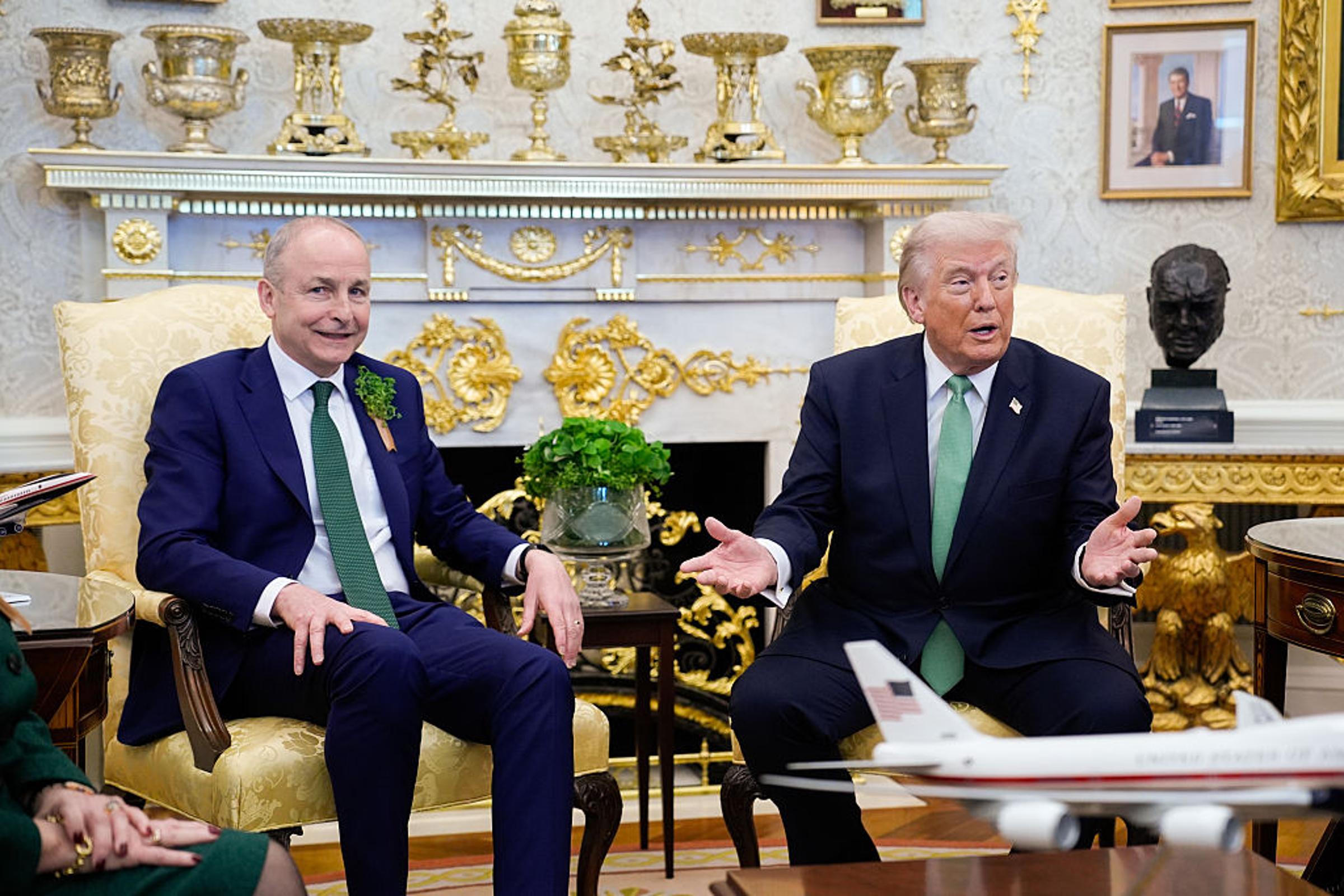
Trump's Ireland Visit: Phoenix Park Closure, Farmleigh Bilateral and Doonbeg Irish Open as Dublin Prepares for High-Stakes Diplomatic Encounter
US President Donald Trump is due to arrive in Dublin on the morning of Saturday, 12 September 2026, for a two-day visit that will include a bilateral meeting with Taoiseach Micheál Martin at Farmleigh House, a courtesy call on President Catherine Connolly at Áras an Uachtaráin, and a stay at his Doonbeg golf resort in County Clare, where he is expected to attend the Irish Open and present the tournament trophy to the winner — a visit that Irish officials have privately described as one of the most diplomatically complex in recent memory.
Background
Donald Trump's relationship with Ireland is long-standing and personal. His mother, Mary Anne MacLeod, was born in Scotland, but Trump has repeatedly emphasised his affection for Ireland and his investment in the country through his Doonbeg golf resort in County Clare, which he purchased in 2014 and has since expanded significantly. Previous visits to Doonbeg — in 2019 and 2023 — were characterised by a combination of warm local reception and significant political controversy, with the Irish government required to balance the diplomatic imperative of engaging with the US president against domestic political pressure to challenge his administration's policies.
The current visit comes at a particularly sensitive moment in US-Ireland relations. Trump's second administration has pursued a range of policies — on trade, on NATO, on Ukraine, on immigration — that have created friction with European allies, including Ireland. The Taoiseach has been careful to maintain a working relationship with the White House while publicly disagreeing with specific policies, a balancing act that has become increasingly difficult as the administration's positions have hardened on issues of direct concern to Ireland, including the treatment of undocumented Irish immigrants in the United States.
The visit also comes against the backdrop of Trump's use of a Qatar-donated Air Force One — a development that has attracted criticism from opposition politicians in Ireland who argue that the government should not facilitate a visit by a president travelling in an aircraft gifted by a foreign government. The Taoiseach has indicated that this is a matter for the US administration rather than the Irish government.
Key Developments
Trump is expected to arrive at Dublin Airport on the morning of 12 September, where he will be greeted by Tánaiste and Minister for Finance Simon Harris. He will travel by helicopter to Phoenix Park, where Farmleigh House will serve as the venue for the bilateral meeting with Taoiseach Martin. A courtesy meeting with President Connolly at Áras an Uachtaráin is also scheduled, though the agenda for that meeting has not been disclosed. Plans for a sod-turning ceremony at the new US embassy in Ballsbridge are considered unlikely to proceed due to security and logistical constraints.
Following his Dublin engagements, Trump will travel to Doonbeg, where he will spend the remainder of his visit. He is expected to attend the Irish Open at Lahinch Golf Club in County Clare — the same venue that hosted the Walker Cup last week — and is widely anticipated to present the tournament trophy to the winner on Sunday evening. The Irish Open, which is part of the DP World Tour, has attracted a strong international field for the occasion.
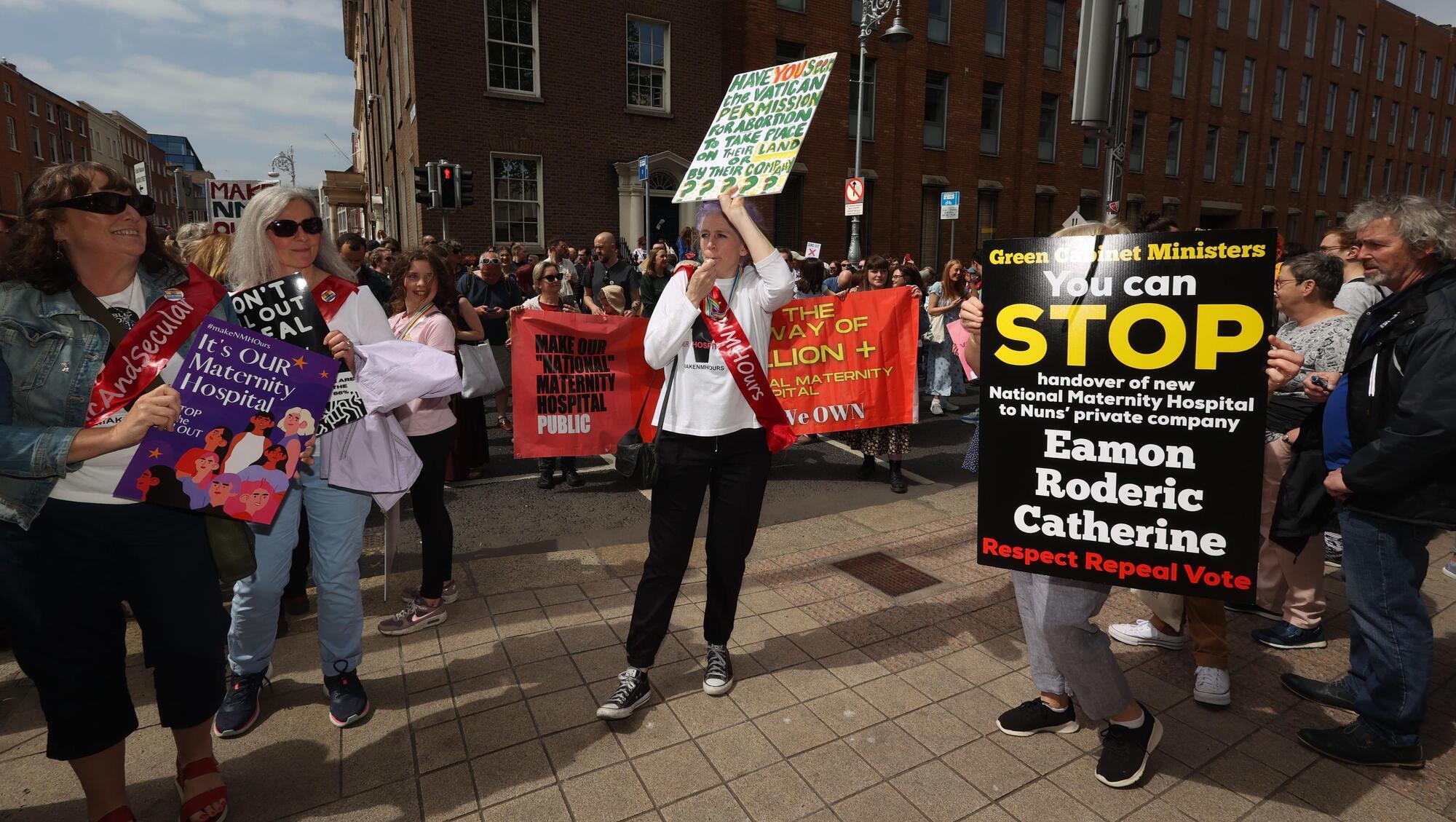
The Gardaí have declared an "extraordinary event" in relation to the visit, triggering a significant security operation across both Dublin and Clare. Phoenix Park will be closed to the public for two days — a disruption that will affect Dublin Zoo, the Papal Cross, and the park's extensive recreational facilities. Planned demonstrations are set to take place in Dublin, with protesters intending to march from the Garden of Remembrance to the GPO, and in County Clare, where local activist groups have organised events near Doonbeg.
Why It Matters
The Trump visit matters for Ireland on several levels simultaneously. At the diplomatic level, it provides an opportunity for the Taoiseach to raise issues of direct concern to Ireland — the situation of undocumented Irish immigrants in the US, trade policy, and the broader question of US engagement with European security — in a direct bilateral setting. The value of such access should not be underestimated: Ireland's ability to maintain a working relationship with the White House, regardless of the administration's political complexion, is a significant diplomatic asset.
At the domestic political level, the visit is a test of the government's ability to manage a complex situation without either appearing to endorse Trump's more controversial positions or damaging the bilateral relationship through unnecessary confrontation. The Taoiseach's approach — engagement without endorsement — has been broadly consistent across both Trump administrations, but it requires constant calibration as the political context shifts.
The security operation also raises questions about the cost and disruption associated with high-profile state visits, particularly when the visiting leader's movements are as restricted as Trump's typically are. The closure of Phoenix Park for two days is a significant imposition on Dublin residents and visitors.
Local Impact
In Dublin, the Phoenix Park closure will affect residents of Castleknock, Chapelizod, and Islandbridge who use the park for daily exercise and recreation, as well as the thousands of visitors who travel to Dublin Zoo each weekend. Dublin Bus routes that pass through the park will be diverted, and traffic management plans are in place for the surrounding road network, including the Navan Road, Chapelizod Road, and Conyngham Road. In County Clare, the Doonbeg area will see significant security presence, with road closures expected around the resort and along the route between Doonbeg and Lahinch. Local businesses in both areas are preparing for a combination of disruption and increased footfall from security personnel and media.
What's Next
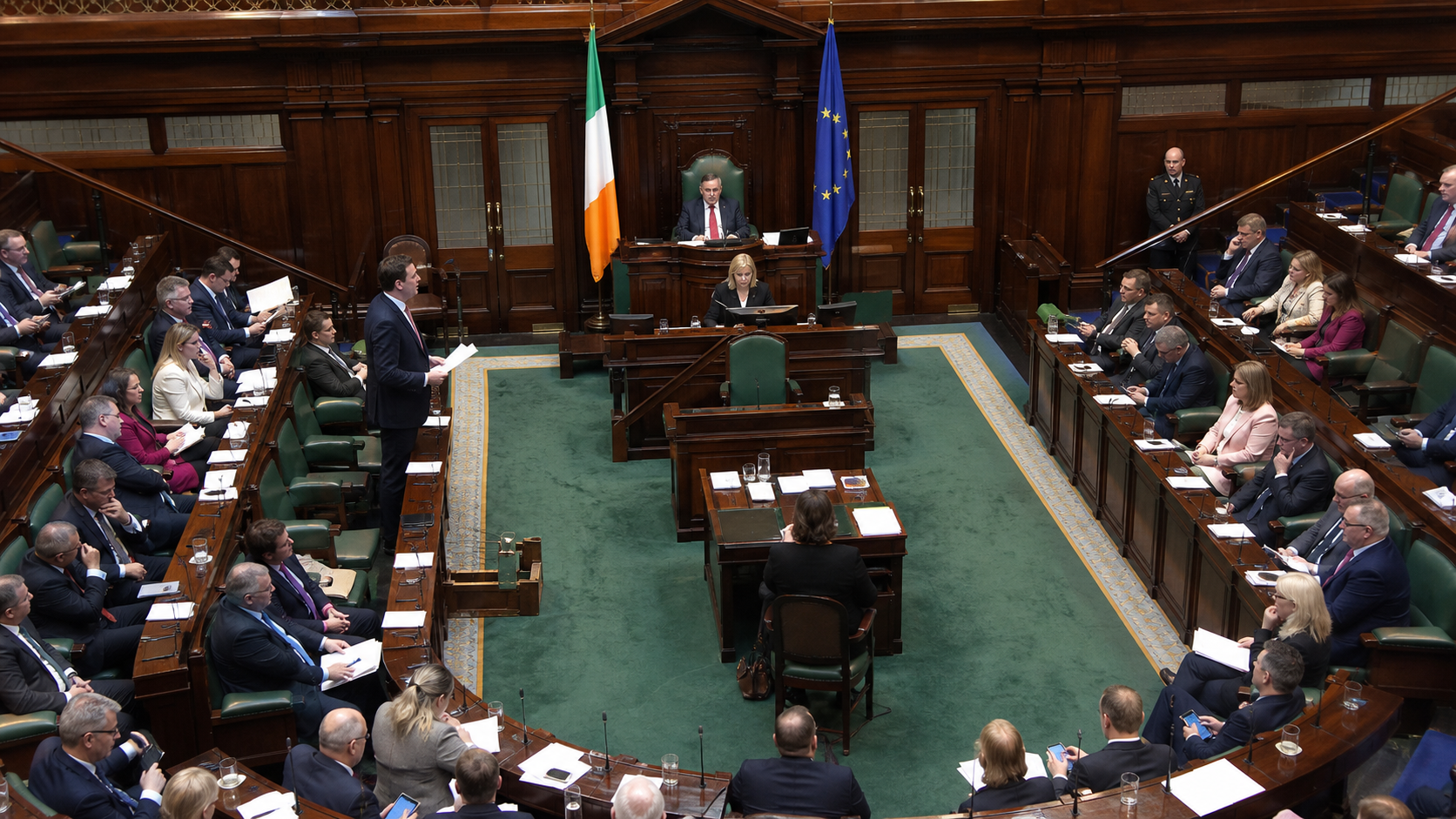
Trump is expected to depart Ireland on the evening of Sunday, 13 September, or in the early hours of Monday morning. The Taoiseach's office will publish a readout of the Farmleigh bilateral meeting after it concludes, though the level of detail is likely to be limited. Opposition parties have indicated that they will seek a Dáil statement on the visit when the House returns from its summer recess in late September. The Irish Open concludes on Sunday, 13 September, with the trophy presentation expected to be the final public event of the visit.