Trump Removes Irish Whiskey Tariff at Doonbeg as Industry Hails 'Winning Goal' for €450 Million US Export Market
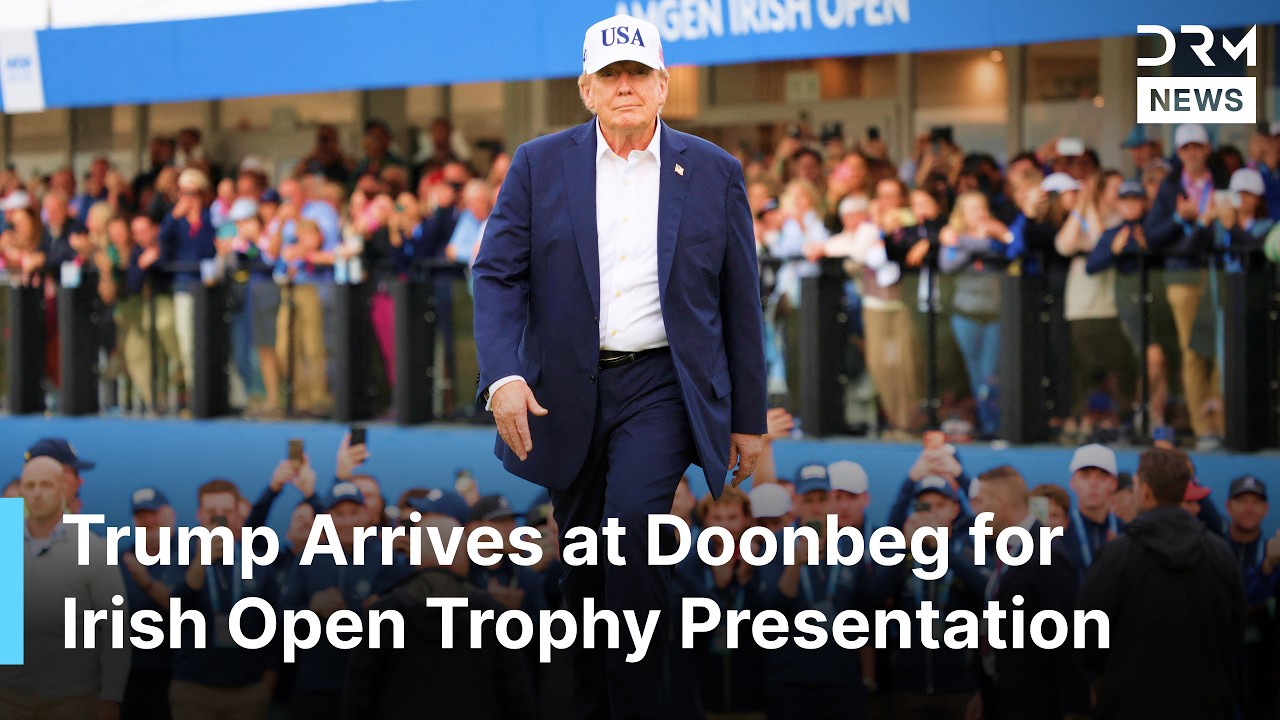
US President Donald Trump has announced the removal of the 10% tariff on Irish whiskey imports during the Irish Open trophy ceremony at the Trump International Golf Links in Doonbeg, County Clare — a decision that the Irish Whiskey Association has hailed as a "winning goal" for an industry that exports approximately €450 million worth of product to the United States annually and that had been at a competitive disadvantage compared to Scotch and Northern Irish spirits since May 2026.
Background
The tariff on Irish whiskey has been a source of significant frustration for the Irish drinks industry since it was first imposed as part of a broader set of US duties on European Union imports. The levy — which stood at 15% before being reduced to 10% in July 2026 as part of wider US tariff adjustments — placed Irish whiskey at a competitive disadvantage in the world's most important spirits market, where it competes directly with Scotch whisky and bourbon for shelf space and consumer loyalty.
The competitive distortion was particularly acute because Scotch whisky and spirits produced in Northern Ireland — which, as part of the United Kingdom, had secured a zero-tariff exemption in May 2026 following diplomatic engagement with the Trump administration — were not subject to the same levy. Irish distillers found themselves paying a 10% premium to access a market that their British and Northern Irish competitors could enter duty-free, a situation that the Irish Whiskey Association described as "fundamentally unfair" and that had been the subject of sustained lobbying by the Irish government.
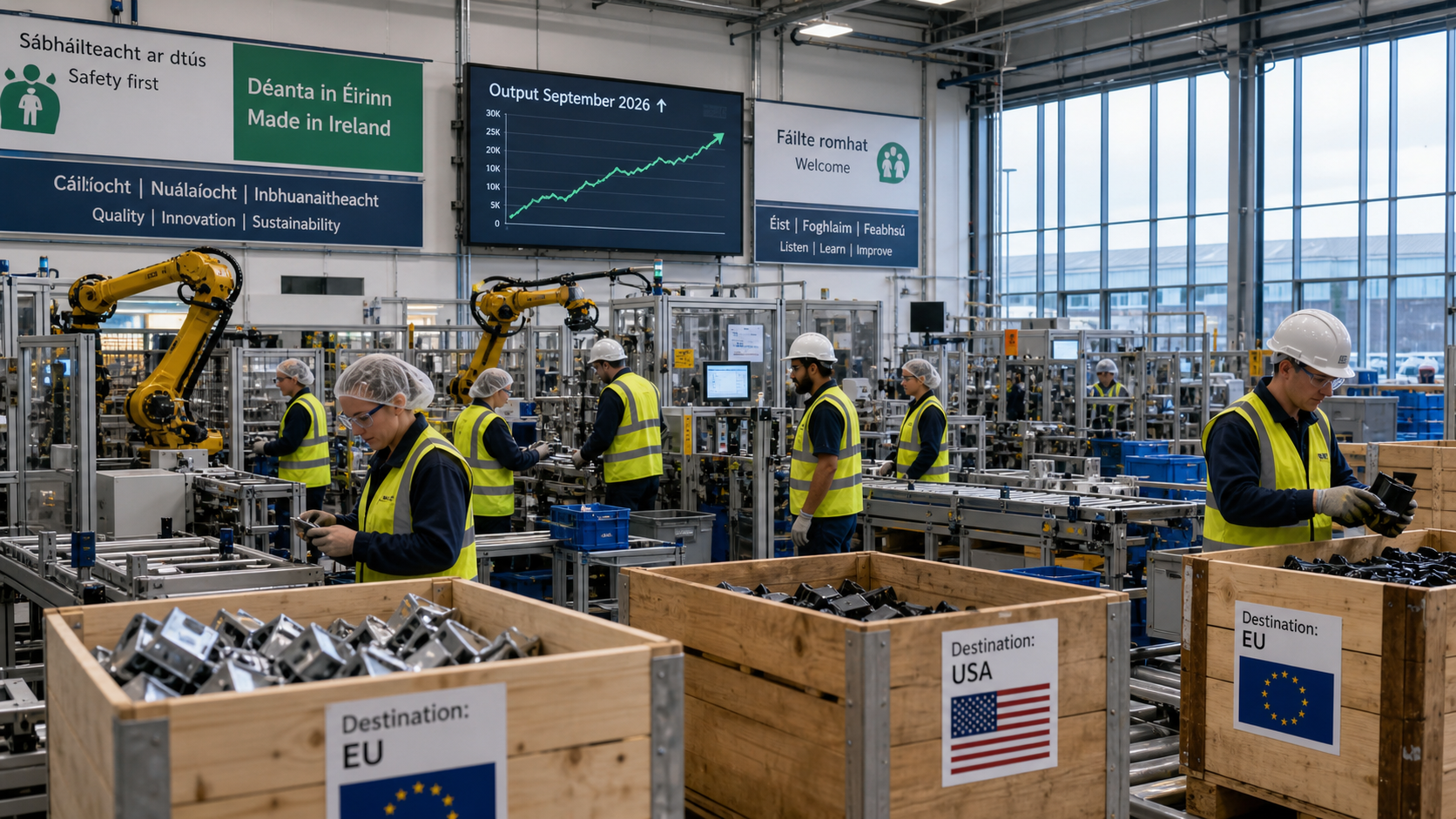
The United States is by far the largest market for Irish whiskey, accounting for approximately 40% of total exports by value. The industry has grown dramatically over the past two decades — from a handful of distilleries to over 50 — and the US market has been central to that growth, with brands such as Jameson, Bushmills, Teeling, and Slane building substantial American followings.
Key Developments
The announcement came at the conclusion of the Irish Open trophy ceremony, in circumstances that were as theatrical as they were diplomatically significant. Trump, who had attended the tournament at his Doonbeg resort, presented the trophy to winner Shane Lowry before turning to the assembled crowd and announcing that he would be removing the tariff on Irish whiskey. He credited the lobbying of Taoiseach Micheál Martin and Lowry himself — who had apparently raised the issue with the President during their interactions at the tournament — as the decisive factors in his decision.
"Everybody's been bugging me about it," Trump said, in remarks that were characteristically informal but no less consequential for that. "Shane's been bugging me, Micheál's been bugging me. It's done. The tariff is gone."
The Irish Whiskey Association responded with immediate enthusiasm, with its chief executive describing the announcement as a "winning goal" for the industry and welcoming the level playing field it would create with Scotch and Northern Irish competitors. The Distilled Spirits Council of the United States also welcomed the move, noting its positive implications for American retailers, restaurants, and consumers ahead of the holiday season.
Why It Matters
The removal of the tariff is a significant commercial win for the Irish drinks industry, but its importance extends beyond the immediate financial impact. The episode illustrates both the vulnerability of Irish exporters to US trade policy decisions and the potential for high-level diplomatic engagement — including the kind of personal relationship-building that the Taoiseach's visit to Doonbeg represented — to deliver tangible results.
For the broader Irish economy, the whiskey industry is a success story that successive governments have been keen to nurture. The sector employs thousands of people directly and indirectly, supports tourism through distillery visits, and contributes to Ireland's international brand in ways that are difficult to quantify but genuinely valuable. The tariff had been a cloud over that success story, and its removal clears the way for continued growth in the US market.
The timing of the announcement — at a golf tournament on Trump's own Irish property, in the presence of the Taoiseach and a popular Irish sporting hero — also reflects the particular dynamics of Irish-American diplomacy under the current US administration, where personal relationships and symbolic gestures carry unusual weight.
Local Impact
The announcement will be felt most directly by the distilleries that export to the United States, which range from the large multinationals — Jameson's parent company Pernod Ricard, Bushmills owner Casa Cuervo — to the growing number of independent craft distilleries that have established US distribution in recent years. For the smaller producers, the 10% tariff had been a genuine barrier to growth, and its removal opens up possibilities that were previously uneconomic.
In County Clare, where the Doonbeg announcement was made, the local economy has benefited significantly from the Trump resort's presence, and the high-profile nature of the Irish Open — attended by the US President and generating global media coverage — will provide a further boost to tourism in the region. The West Clare coast, from Kilkee to Kilrush, has seen increased visitor numbers in recent years, and the Doonbeg resort's international profile has been a significant driver of that trend.
What's Next
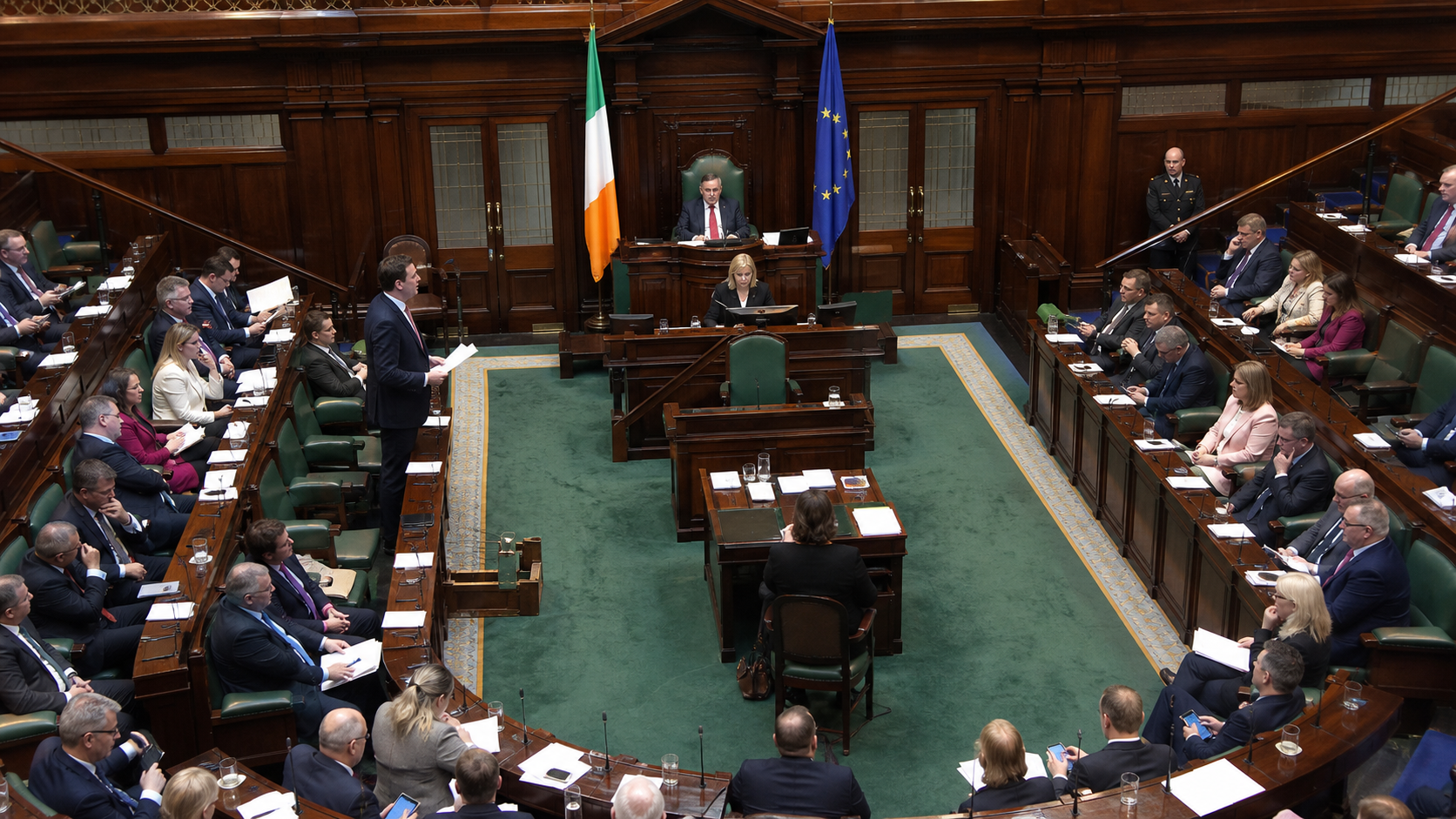
The Irish Whiskey Association has indicated that it will work with the US administration to ensure the tariff removal is implemented as quickly as possible, with the aim of having the new zero-tariff regime in place before the key holiday trading period in November and December. The Department of Enterprise, Trade and Employment in Dublin has confirmed that officials are in contact with their US counterparts to agree the technical details of the implementation. The Taoiseach is expected to formally acknowledge the announcement in the Dáil when it returns from recess later this month.