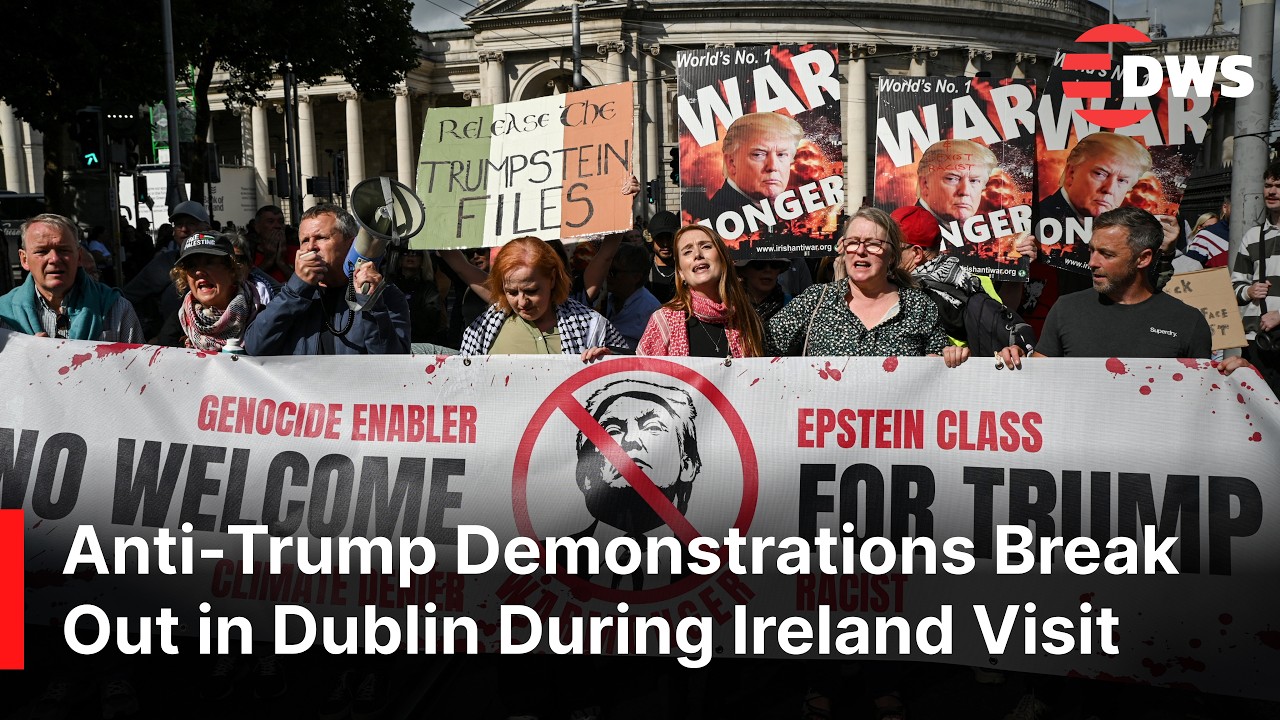
Trump Departs Doonbeg as Protests Follow Irish Open Visit and Taoiseach Navigates Diplomatic Fallout
US President Donald Trump has departed Ireland following a two-day visit that generated more political controversy than diplomatic progress, with the Taoiseach now tasked with managing the fallout from Trump's Irish unity remarks while maintaining the transatlantic relationship that Ireland's export-dependent economy cannot afford to jeopardise.
Background
Trump's relationship with Ireland is unlike that of any previous American president. His ownership of the Trump International Golf Links at Doonbeg, County Clare, gives him a personal financial stake in the country that creates an inherent tension with his role as head of state. The resort, which Trump purchased in 2014, has been a source of controversy in Ireland since his first presidency, with critics arguing that official visits to the property blur the line between state business and personal commercial interest.
The 2026 Irish Open, sponsored by Amgen and part of the DP World Tour, was held at Doonbeg for the first time, a decision that was itself controversial given the political associations of the venue. The tournament attracted a world-class field, including Rory McIlroy, Jon Rahm, and Shane Lowry, and the presence of the American president added a layer of complexity to what would otherwise have been a straightforward sporting event.
The diplomatic context of the visit was shaped by ongoing tensions between Ireland and the United States over trade, LNG imports, and Ireland's position on the conflict in Gaza. Taoiseach Micheál Martin had been seeking to use the visit to advance Ireland's interests on these fronts, while managing the domestic political pressure from opposition parties who were critical of the government's willingness to host a president whose policies they regard as antithetical to Irish values.
Key Developments
Trump arrived in Dublin on 12 September for meetings with Taoiseach Martin and President Catherine Connolly at Farmleigh House. President Connolly, who has been outspoken on the conflict in Gaza, used the meeting to express "strong views" on the war and the issue of genocide, describing the encounter as "respectful" despite the gravity of the topics discussed. The Taoiseach focused on trade and economic issues, seeking assurances on tariff policy and the future of US investment in Ireland.
Trump's remarks on Irish unity, made during the joint press conference with the Taoiseach, dominated the subsequent news cycle and overshadowed the substantive diplomatic agenda. The Taoiseach's office was at pains to note that Trump's views on unity were not new and that the government's position — focused on the Shared Island initiative rather than a border poll — remained unchanged. However, the remarks created a political headache that the coalition will be managing for weeks.
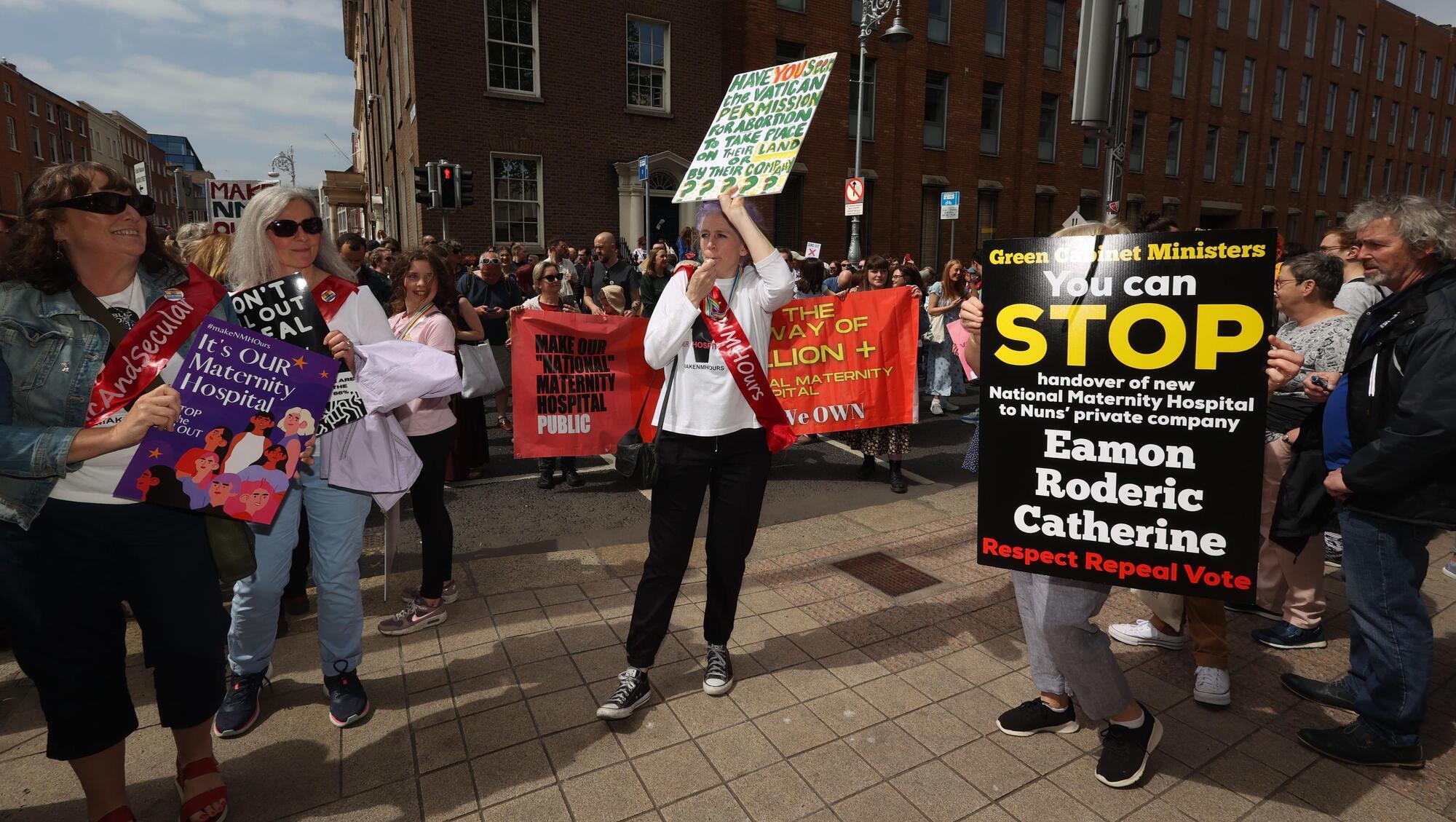
Protests accompanied Trump throughout his visit, with thousands gathering in Dublin city centre on 12 September and further demonstrations near Shannon Airport and in Doonbeg on 13 September. The protests were largely peaceful, though the security operation required to manage the presidential visit caused significant disruption to traffic and public transport across Clare and Limerick. A constituency director for Taoiseach Martin was reported to have posted a social media message describing Trump as a "moron," prompting the Taoiseach to publicly distance himself from the comment.
Why It Matters
The Trump visit encapsulates the fundamental dilemma of Irish foreign policy in the current era: how to maintain a productive relationship with the United States — Ireland's largest source of foreign direct investment and a crucial diplomatic partner — while preserving the values-based foreign policy that the Irish public expects. The Taoiseach walked a tightrope throughout the visit, and the question of whether he walked it successfully will be debated in the Dáil when the Oireachtas resumes.
The Doonbeg dimension adds a layer of complexity that has no precedent in Irish diplomatic history. A sitting American president attending a tournament at his own resort, with the Irish government in attendance, raises questions about the appropriate boundaries between state and commercial interest that have not been satisfactorily resolved. The government's decision to participate in the Doonbeg events, rather than limiting engagement to the Dublin meetings, will be scrutinised by opposition parties and by ethics commentators in the weeks ahead.
Local Impact
In County Clare, the Trump visit generated significant economic activity, with hotels, restaurants, and local businesses in the Doonbeg and Kilkee area reporting strong trade during the presidential stay. The security operation, which involved the closure of roads across a wide area of west Clare, caused disruption for local residents and farmers. In Shannon, the airport's handling of Air Force One and the associated security requirements placed considerable demands on staff and infrastructure. The broader economic impact of the Irish Open — estimated to generate several million euro for the local economy — was amplified by the presidential visit, though the political associations of the event have left some local businesses ambivalent about the attention.
What's Next
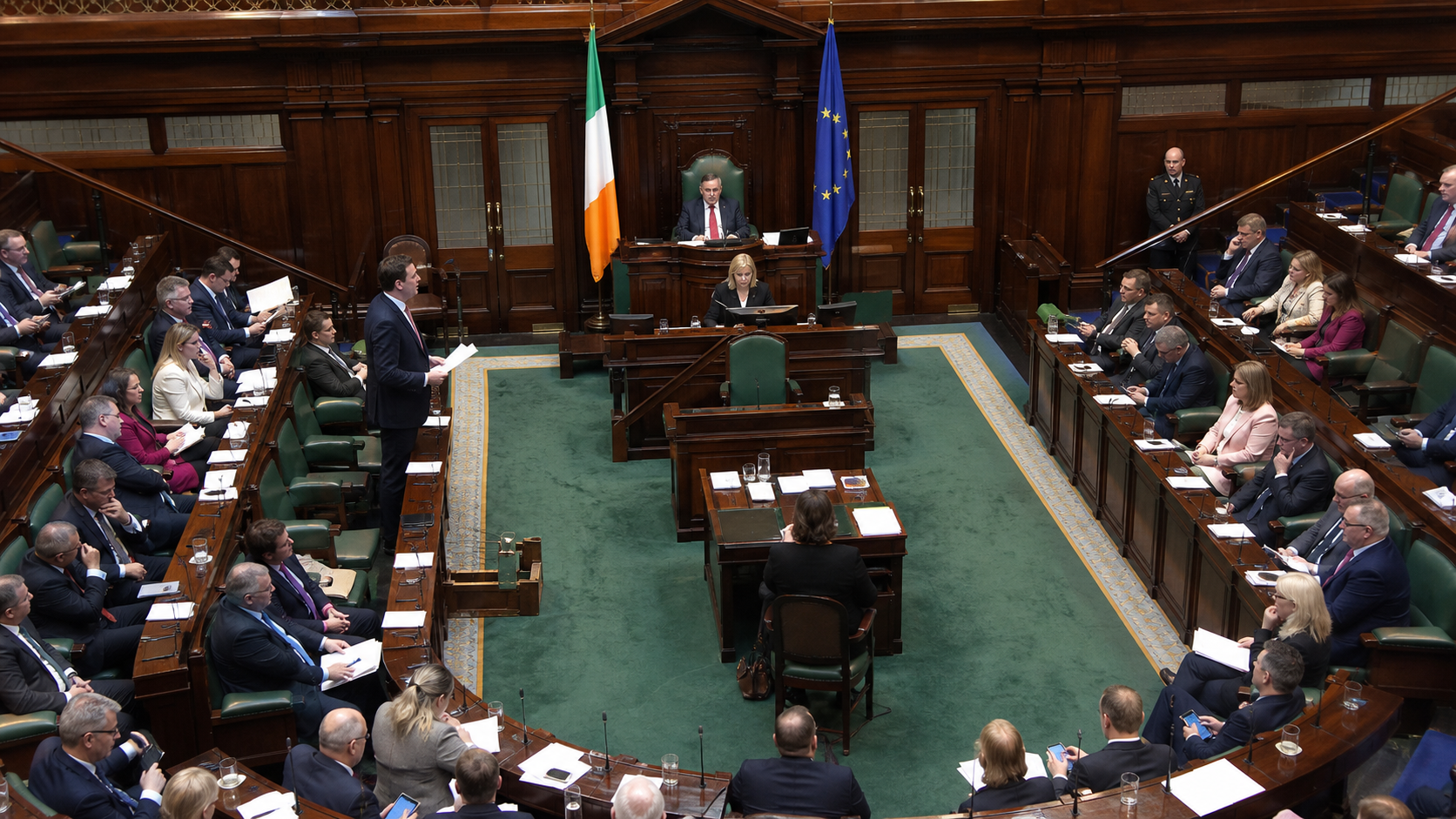
The Taoiseach is due to address the Dáil on the Trump visit and its diplomatic implications when the Oireachtas resumes. Opposition parties, including Sinn Féin and the Social Democrats, have indicated they will seek a full statement on the government's handling of the visit and on the unity remarks. The Department of Foreign Affairs is expected to publish a summary of the diplomatic outcomes of the visit, including any commitments made on trade and investment. The Irish Open concludes on 13 September, with Shane Lowry seeking his first professional Irish Open title.