Tolka River Fish Kill Investigation Launched After 500 Dead Fish Found Near Damastown
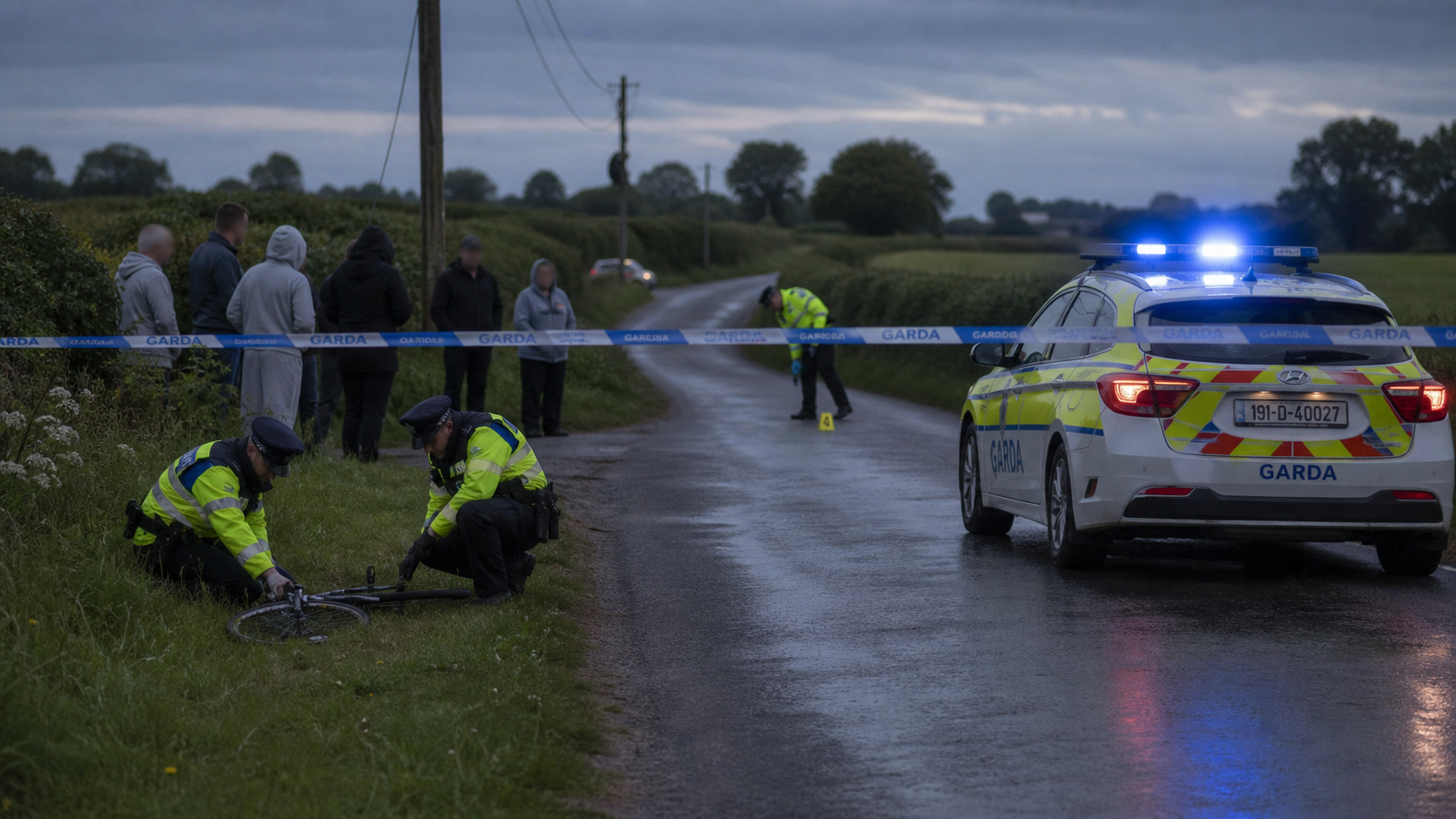
Inland Fisheries Ireland has launched a formal investigation into a significant fish kill on the Tolka River near Damastown, north Dublin, after more than 500 fish — including brown trout, eel, lamprey, stickleback, and minnow — were found dead along a two-kilometre stretch of the waterway, with authorities confirming that a "definite line of inquiry" has been established that is widely understood to involve a pollution incident.
Background
The Tolka River is one of Dublin's most significant urban waterways, rising in County Meath and flowing through north Dublin before entering the sea at Dublin Bay near Fairview. The river passes through a mix of agricultural land, suburban residential areas, and industrial zones on its journey to the coast, making it particularly vulnerable to pollution from a range of sources including agricultural runoff, sewage overflows, and industrial discharges.
Inland Fisheries Ireland (IFI) is the state agency responsible for the protection, management, and conservation of Ireland's inland fisheries and sea angling resources. The agency operates a 24/7 confidential hotline for reporting environmental concerns and maintains rapid response teams capable of attending fish kill incidents at short notice. Fish kills on the Tolka and other Dublin rivers are not unprecedented — the river has suffered pollution incidents in the past — but the scale of the mortality reported near Damastown is among the most significant in recent years.
The Damastown area, located in the Blanchardstown district of Fingal, is a mixed-use zone that includes residential developments, light industrial units, and areas of open land. The proximity of industrial activity to the river corridor makes it a potential source of pollution, though IFI has been careful not to identify any specific source pending the outcome of laboratory analysis of water samples collected from the site.
Key Developments
IFI received a report via its confidential hotline on Saturday, August 1, regarding a large number of dead fish in the Tolka River near Damastown. Upon immediate inspection, IFI staff observed fish mortalities extending over a two-kilometre stretch of the waterway. The species affected — brown trout, eel, stickleback, lamprey, and minnow — represent a cross-section of the river's fish community, suggesting that the causative agent was not selective and affected the water column broadly.
An interagency group was convened on Sunday, August 2, in accordance with the national interagency protocol for significant fish kills. The group included representatives from the Environmental Protection Agency, Fingal County Council, and the National Parks and Wildlife Service. Water samples were collected from multiple points along the affected stretch for laboratory analysis.
IFI confirmed that a "definite line of inquiry" has been established, though the agency declined to provide specific details given the potential for legal proceedings. The interagency group has completed its initial response phase, and the investigation is now being led by IFI with support from the EPA and Fingal County Council.
Why It Matters
The Tolka River fish kill matters for reasons that extend beyond the immediate loss of wildlife. The river is an important ecological corridor in north Dublin, supporting populations of brown trout, eel, and lamprey — the latter two of which are protected species under European Union habitats legislation. The loss of over 500 fish from a two-kilometre stretch represents a significant setback for the river's ecological health, and the recovery of fish populations in affected areas can take years, particularly for slow-reproducing species like eel and lamprey. The incident also raises broader questions about the adequacy of pollution monitoring and enforcement along Dublin's urban rivers. The Tolka, like many urban waterways, is under constant pressure from a range of diffuse and point-source pollution inputs, and the resources available to IFI and the EPA for monitoring and enforcement are limited relative to the scale of the challenge. This is the third significant fish kill on a Dublin river in the past two years, a pattern that suggests systemic issues rather than isolated incidents.
Local Impact
The fish kill has affected a stretch of the Tolka River that passes through the Blanchardstown and Castleknock areas of north Dublin, a densely populated suburban zone where the river provides important amenity value for local residents. Walking and cycling paths along the river bank are used by thousands of people daily, and the sight of dead fish along a two-kilometre stretch has caused considerable distress among local residents and wildlife enthusiasts. Fingal County Council has been in contact with local residents' associations to provide information about the investigation and to advise on any precautions that should be taken. The council has confirmed that the affected stretch of river is not used as a source of drinking water and that there is no risk to public health from the incident.
What's Next
Laboratory analysis of the water samples collected from the Tolka River is expected to take several weeks. IFI has indicated that it will publish the results of the investigation once the analysis is complete and any legal proceedings have been considered. The EPA is conducting its own parallel assessment of the incident. Fingal County Council has committed to a full review of pollution monitoring arrangements along the Tolka corridor in the aftermath of the incident. Anyone with information about the source of the pollution is urged to contact IFI's confidential hotline at 0818 34 74 24.