Aughinish Alumina: Rusal Ownership Claim Based on 'Presumptions', Company Argues in Court
Lawyers for Aughinish Alumina have argued in court that a Swedish tax authority finding that sanctioned Russian oligarch Oleg Deripaska retains effective control of the Limerick refinery's parent company is based on "presumptions" rather than established fact — as the Irish government faces mounting international pressure to take action against the plant, which investigators have linked to the Russian military supply chain.
Background
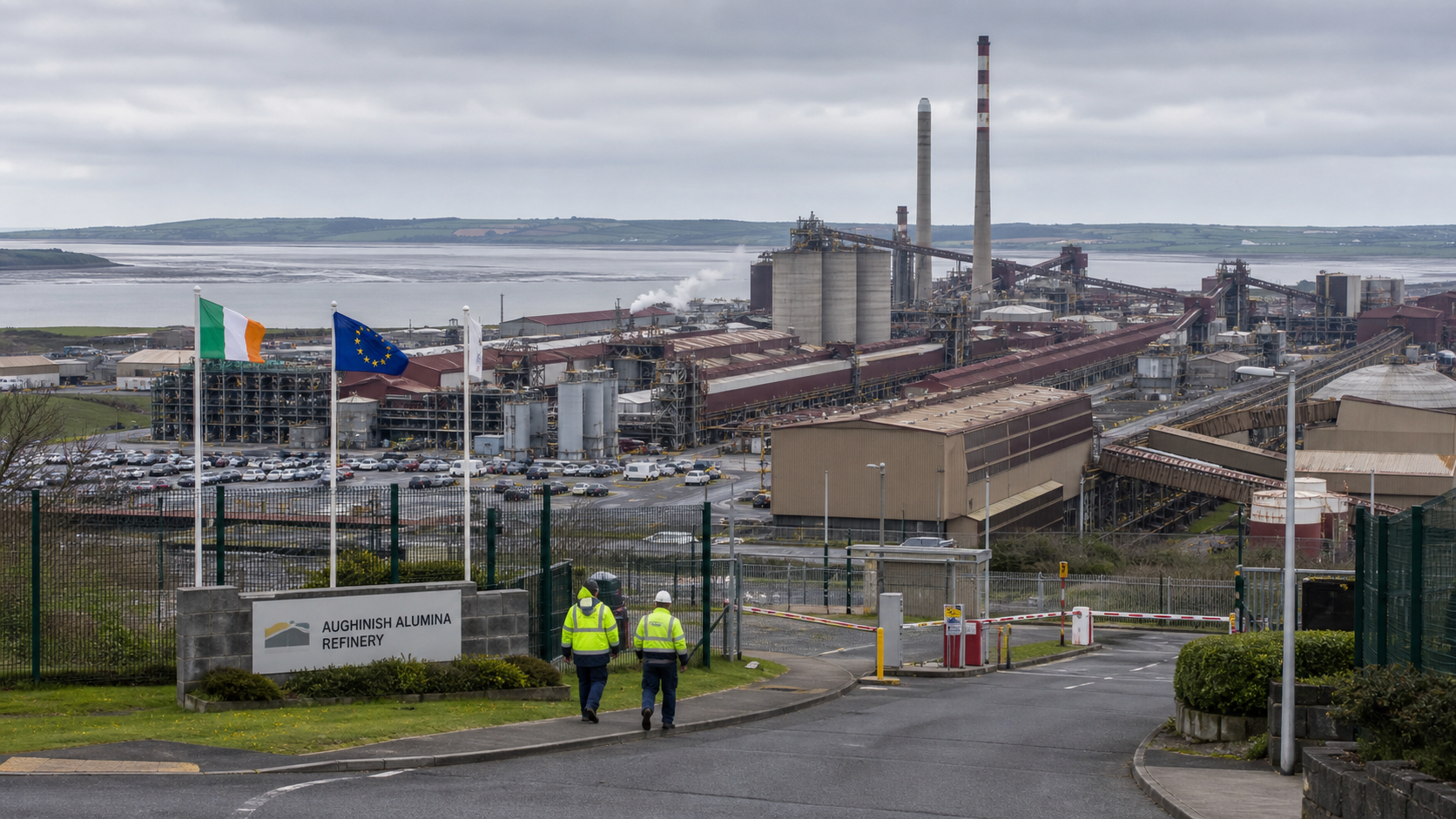
Aughinish Alumina, located on the Shannon Estuary in County Limerick, is the largest alumina refinery in Europe, employing approximately 450 people directly and supporting an estimated 1,900 jobs in the wider regional economy. The plant is owned by Rusal, a subsidiary of the EN+ Group, which is controlled by Russian metals magnate Oleg Deripaska — a figure who has been subject to international sanctions since 2018 following the US Treasury's designation of him as a key figure in the Russian government's economic network.
When sanctions were first imposed on Deripaska in 2018, a deal was brokered to reduce his ownership and voting rights in EN+ below the threshold that would trigger automatic sanctions on the company's subsidiaries, including Aughinish. The arrangement allowed the Limerick plant to continue operating and avoided the immediate loss of hundreds of jobs in a region where alternative employment opportunities are limited. However, the deal has been contested by sanctions enforcement authorities in multiple jurisdictions, who argue that Deripaska's effective control over EN+ and Rusal was never genuinely relinquished.
The controversy intensified in mid-2026 when Sweden's tax authority, Skatteverket, concluded that the 2018 arrangement was a "sham" and that Deripaska's effective control over EN+ and its subsidiaries — including Aughinish — remained intact, with his voting power reaching approximately 70% due to a Putin decree that invalidates voting rights for shareholders from "unfriendly nations." Investigations by The Irish Times and the Organised Crime and Corruption Reporting Project also revealed that alumina produced at the Limerick plant is exported to Russian smelters, entering a supply chain that feeds the Russian military industry.
Key Developments
In court proceedings this week, lawyers for Aughinish Alumina challenged the Swedish authority's findings, arguing that the conclusion that Deripaska retains effective control of EN+ is based on "presumptions" rather than established legal fact. The company's legal team contended that the 2018 restructuring was genuine and legally effective, and that the Swedish authority's analysis misapplied the relevant sanctions framework. The company argued that it operates in full compliance with all applicable EU and UK sanctions regulations and that the Irish government has no legal basis to take unilateral action against the plant.
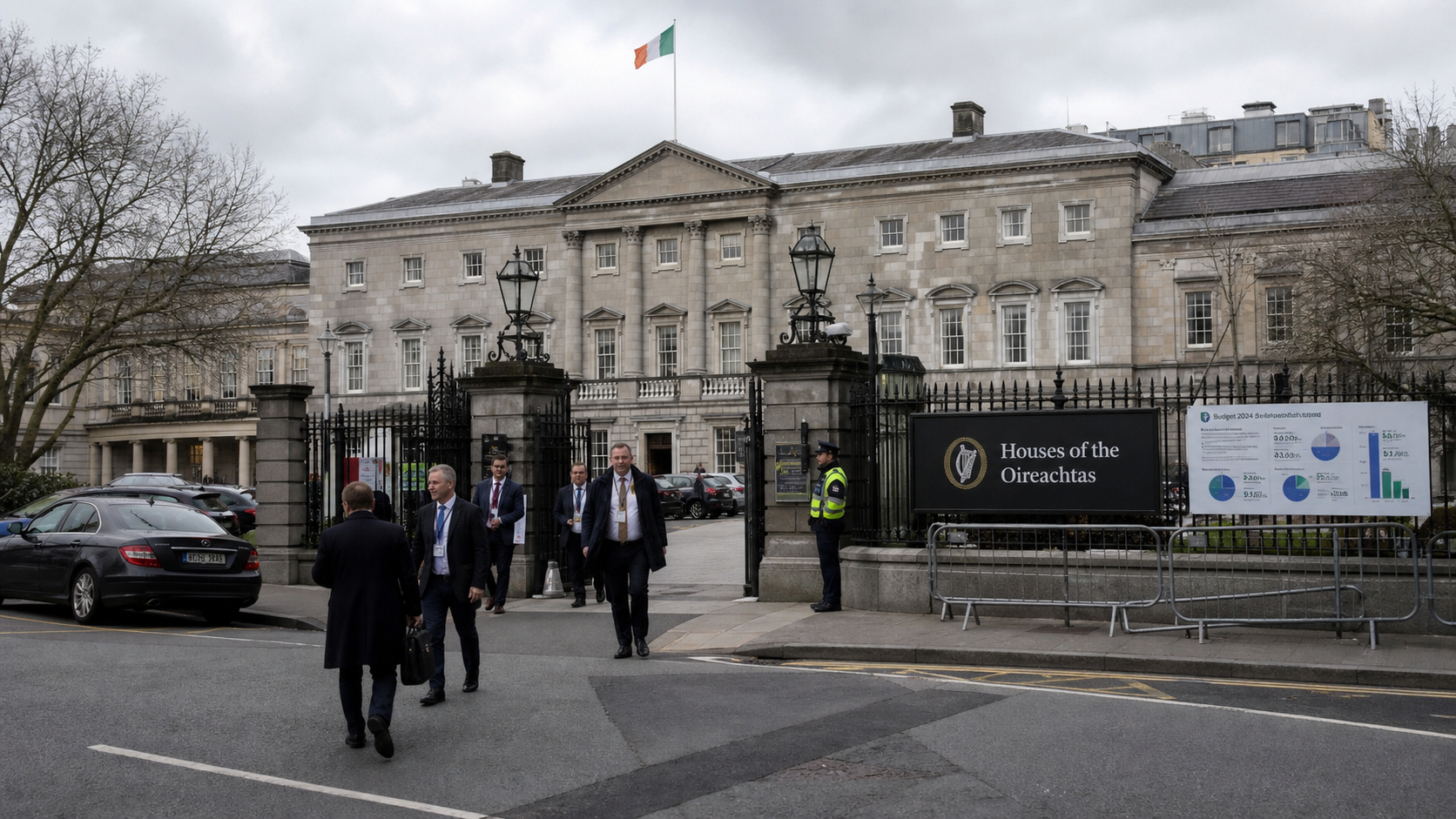
The Irish government's position has been consistent throughout the controversy: that sanctions are a European competency and that Ireland will act in accordance with whatever determination the European Commission reaches. Taoiseach Micheál Martin and Minister for Enterprise Peter Burke have both expressed concern about the potential loss of jobs in Limerick if the plant were forced to close, while acknowledging the serious questions raised by the Swedish findings and the investigative reporting.
Ukrainian President Volodymyr Zelenskyy raised the Aughinish issue directly during a visit to Dublin earlier this year, urging the Irish government to take a stronger stance. The European Commission is understood to be examining the Swedish authority's findings as part of a broader review of sanctions compliance across the EU.
Why It Matters
The Aughinish case sits at the intersection of Ireland's economic interests, its international obligations, and its stated commitment to supporting Ukraine. The plant's continued operation under Russian ownership — at a time when alumina from the facility is allegedly entering the Russian military supply chain — creates a profound tension with Ireland's position as a vocal supporter of Ukrainian sovereignty and a country that has welcomed tens of thousands of Ukrainian refugees.
Ireland's reluctance to act unilaterally has drawn criticism from European partners and from within the Dáil, where opposition TDs have argued that the government is prioritising economic considerations over its moral and legal obligations. The government's counter-argument — that sanctions are an EU competency and that unilateral action could expose Ireland to legal challenge — has some merit, but critics note that other EU member states have been more proactive in enforcing sanctions against Russian-linked assets within their jurisdictions.
Local Impact
For the 450 workers at Aughinish and the thousands more whose livelihoods depend on the plant's continued operation in the Shannon Estuary region, the legal and political uncertainty is a source of significant anxiety. The plant is the economic anchor of the Askeaton area in west Limerick, and its closure would be a severe blow to a region that has limited alternative employment options. SIPTU has called on the government to provide clarity on the plant's future and to engage directly with workers and their representatives about contingency planning.
What's Next
The court proceedings are expected to continue over the coming weeks, with a judgment anticipated before the end of October. The European Commission is expected to publish its assessment of the Swedish authority's findings by the end of the year. The Dáil's Joint Committee on Enterprise, Trade and Employment has scheduled a hearing on the Aughinish situation for September, at which government ministers and company representatives will be asked to give evidence.