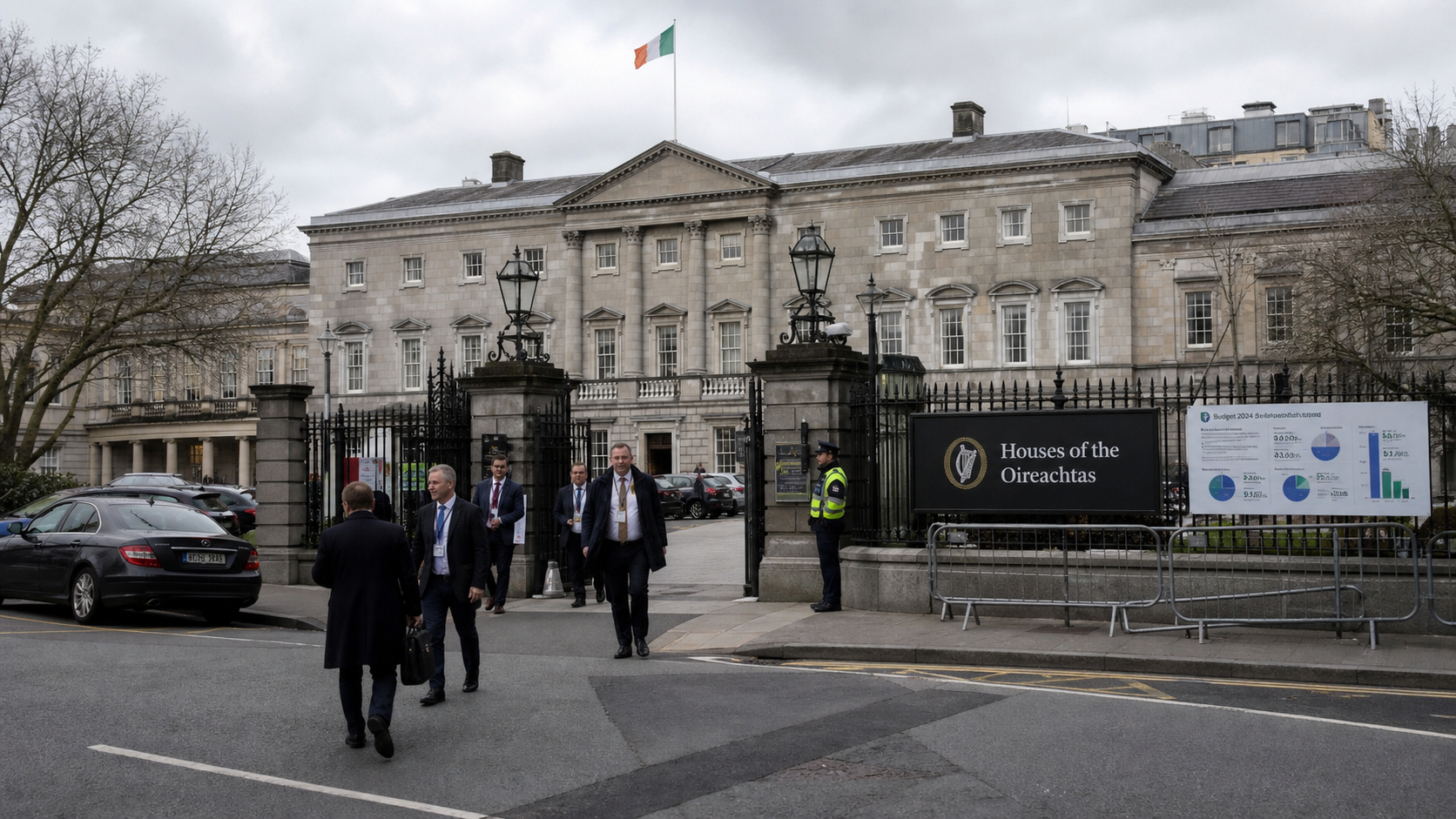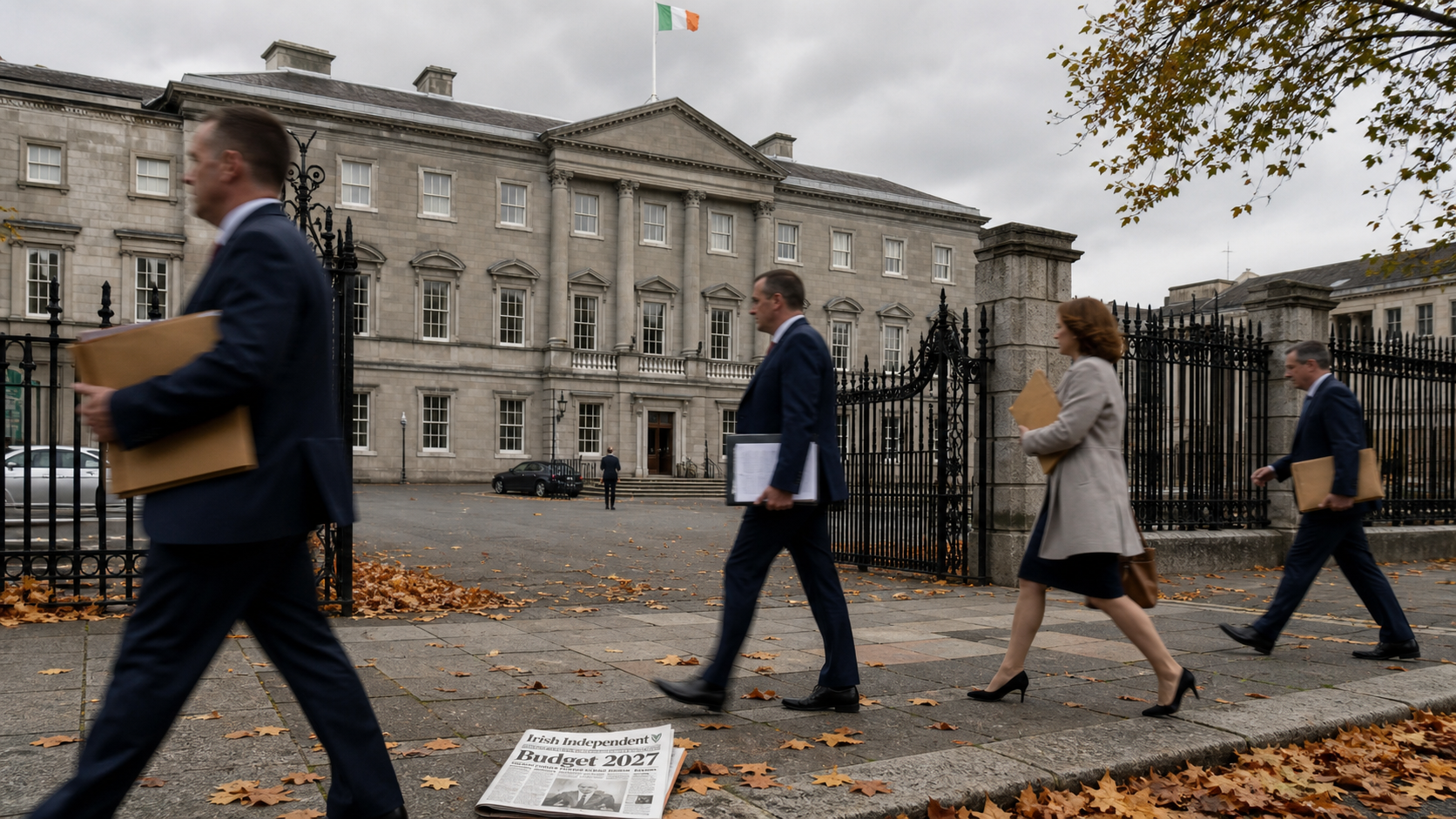
Fiscal Watchdog Warns Budget 2027 Package Will Be Larger Than Announced as Spending Overruns Become Routine
The Irish Fiscal Advisory Council has issued a stark pre-budget warning, cautioning that the government's actual spending for 2027 is likely to be substantially larger than the figures that will be announced on Budget Day on 6 October — and that routine spending overruns, which have averaged more than €2 billion above budget-day plans per year over the past decade, risk fuelling inflation and increasing costs for Irish households and businesses.
Background
The Irish Fiscal Advisory Council, established in 2011 in the aftermath of the financial crisis, serves as an independent watchdog on the government's fiscal plans. Its mandate is to assess whether the government's budgetary projections are realistic and whether its fiscal stance is appropriate given the state of the economy. The council publishes a pre-budget statement each August, providing an independent assessment of the fiscal landscape ahead of the October budget, and its warnings have historically proven prescient.
Ireland's public finances have been transformed over the past decade by the extraordinary growth of corporation tax receipts, driven primarily by the presence of large multinational technology and pharmaceutical companies in the country. Corporation tax revenues, which stood at approximately €4 billion in 2015, reached over €24 billion in 2024 — a figure that has given successive governments significant fiscal headroom but has also created a structural dependency on a volatile and potentially transient revenue source.
The council has consistently warned that the government's reliance on corporation tax to fund ongoing, day-to-day expenditure is imprudent. Its concern is not that the revenues are unwelcome, but that they may not be permanent — a change in international tax rules, a shift in the location decisions of multinational companies, or a global economic downturn could reduce corporation tax receipts sharply and leave the government with a structural deficit that would be difficult to close without painful adjustments.
Key Developments
In its 2026 pre-budget statement, the council highlighted that government spending has been rising at an unsustainable pace, with a 7.4% increase recorded in the first seven months of 2026. This rate of growth exceeds the council's estimate of the economy's sustainable growth rate of approximately 5%, and the council argued that such a pace is inappropriate for an economy that is already performing strongly and faces inflationary pressures.
The council's chairperson, Seamus Coffey, noted that spending overruns have become "routine" over the past decade, with actual spending frequently exceeding initial budget-day plans by an average of over €2 billion per year in current terms. The health sector has been a particular source of overruns, with current health spending already running €400 million above budget by the end of July 2026. The council warned that the government faces approximately €8 billion in "significant spending pressures" for 2027 — driven by an ageing population, inflation, and the costs of existing commitments — before any new policy measures are introduced.
The council also raised concerns about the government's medium-term fiscal plan, noting that following the current trajectory would mean €7 out of every €8 collected in corporation tax would be committed to permanent spending, leaving only €1 for savings. It called for the establishment of a legislated domestic budgetary rule to guide fiscal policy and for spending ceilings that explicitly account for existing overruns and future cost pressures.
Why It Matters
The IFAC's warning matters because it identifies a pattern of fiscal behaviour that, if uncorrected, could leave Ireland vulnerable to a significant adjustment in the event of an economic shock. The council is not predicting a crisis — Ireland's public finances are, by most measures, in good shape — but it is identifying a structural tendency towards spending more than is announced and saving less than is prudent. This tendency is particularly concerning in the context of the corporation tax dependency: if those revenues were to fall sharply, the government would face a choice between cutting services or borrowing heavily, neither of which is attractive.
The council's warning also has immediate relevance for the October budget. The government has indicated that the total budgetary package for 2027 stands at €8.5 billion, but the council's analysis suggests that the actual outturn is likely to be significantly higher once supplementary estimates and overruns are taken into account. For households and businesses, the concern is that a large budget package — particularly one that includes significant tax cuts — could add to inflationary pressures at a time when the cost of living remains a major concern for many Irish families.
Local Impact
The IFAC's warning will be felt most acutely in the political debate around Budget 2027, which is scheduled for 6 October. The government — a coalition of Fine Gael, Fianna Fáil, and the Green Party — faces pressure from opposition parties and from within its own ranks to deliver significant tax cuts and spending increases in areas including housing, health, and childcare. The council's warning provides ammunition for those who argue that fiscal restraint is necessary, but it is unlikely to significantly constrain the government's ambitions in an election year. For public services — particularly the HSE, which has a chronic tendency to overspend — the council's call for realistic spending ceilings will be welcomed by those who argue that the current system of supplementary estimates undermines budgetary discipline.
What's Next
Budget 2027 will be presented to the Dáil on 6 October by Minister for Finance Paschal Donohoe and Minister for Public Expenditure Jack Chambers. The government is expected to announce a package of tax cuts and spending increases, with particular focus on housing, childcare, and cost-of-living measures. The IFAC will publish its assessment of the budget in the weeks following its announcement, providing an independent verdict on whether the government's plans are consistent with sustainable fiscal management.