Oireachtas Forecast to Be More Than €24m in the Red by 2027 as Costs Spiral
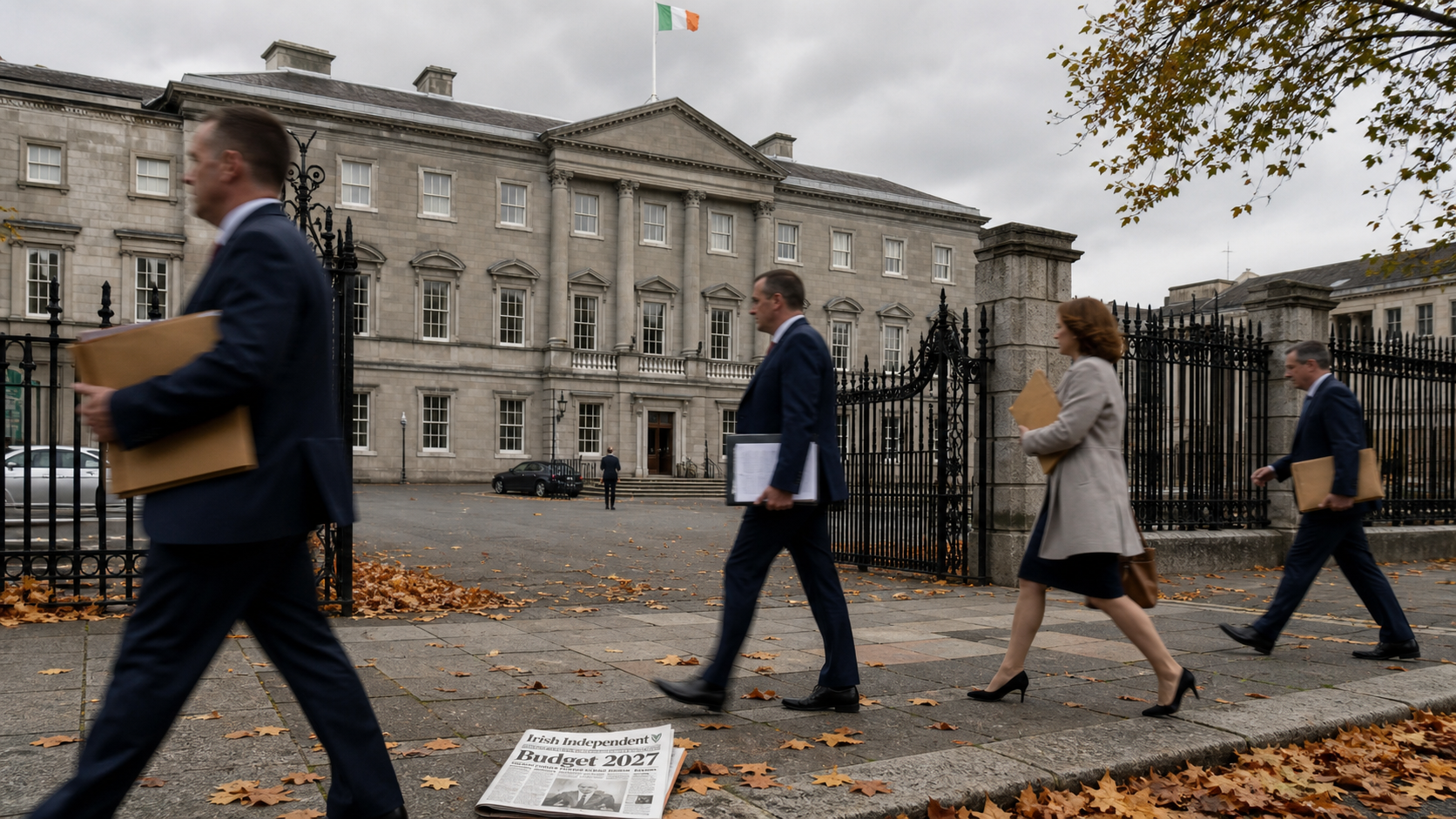
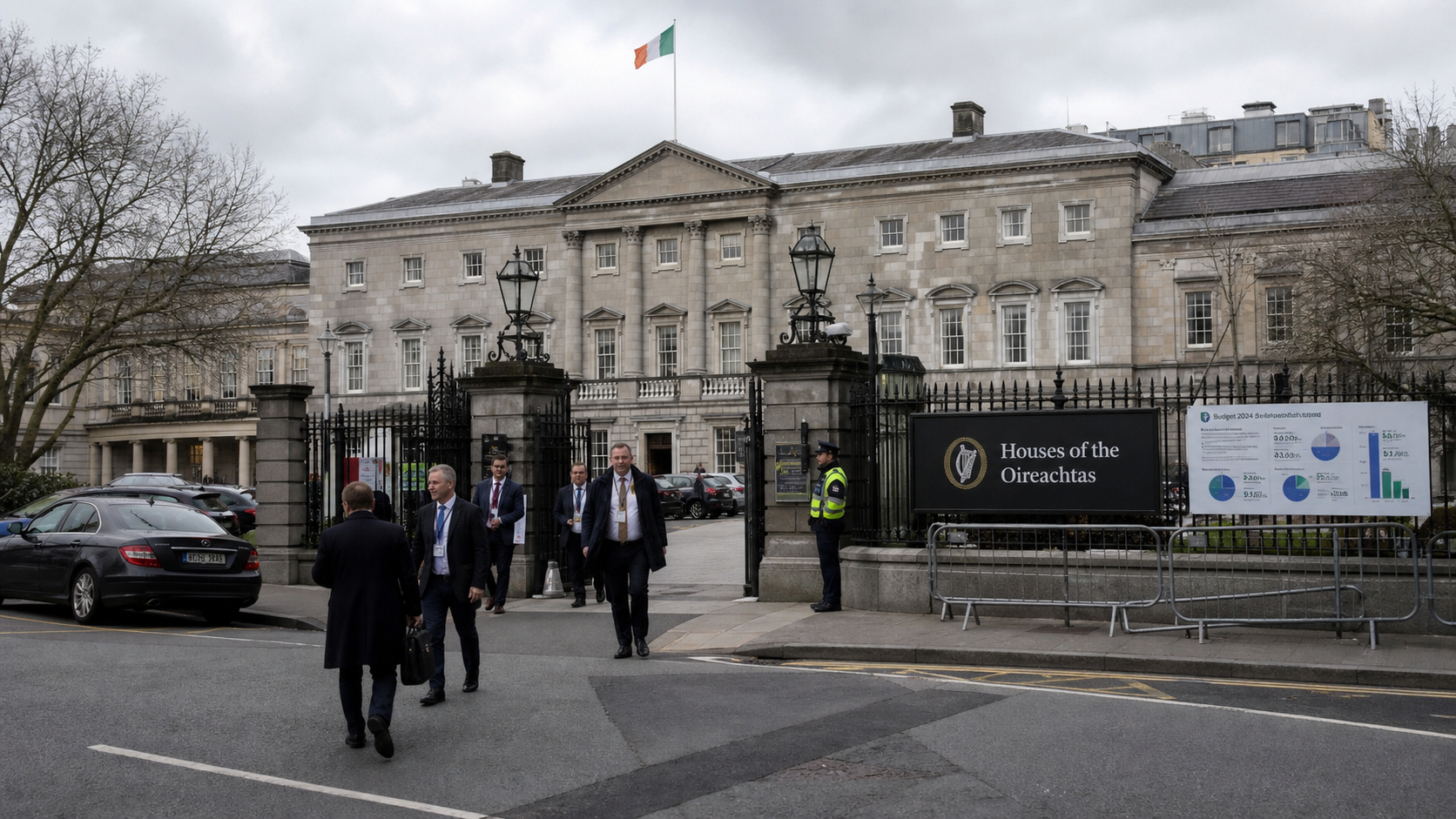
The Houses of the Oireachtas are forecast to be more than €24 million in deficit by 2027, according to internal projections, as the cost of running Ireland's parliament continues to rise faster than its allocated budget — a shortfall that has prompted questions about financial governance at Leinster House and renewed calls for a comprehensive review of how public money is spent on the operation of the Dáil and Seanad.
Background
The Houses of the Oireachtas Service is the body responsible for the administration and support of the Dáil Éireann and Seanad Éireann, providing services ranging from parliamentary research and translation to catering, security, and the maintenance of Leinster House and its associated buildings. The Service operates on a multi-annual budget allocation, with its current strategic plan for 2025-2027 providing a framework for expenditure across the parliamentary term.
The cost of running Ireland's parliament has grown significantly in recent years, driven by a combination of factors including pay increases for parliamentary staff, the expansion of the Oireachtas research service, increased translation costs arising from the Irish language provisions of the Official Languages Act, and the ongoing maintenance and refurbishment of the historic Leinster House complex. The Service has also invested in digital infrastructure and broadcasting capacity, including the Oireachtas TV channel that provides live coverage of Dáil and Seanad proceedings.
Budget overruns at the Oireachtas are not unprecedented. The Service has periodically sought supplementary estimates from the Department of Public Expenditure to cover costs that exceeded its original allocation, a practice that has drawn criticism from the Comptroller and Auditor General and from opposition TDs who argue that the parliament should be held to the same standards of financial discipline that it demands of other public bodies.
Key Developments
Internal projections circulated within the Oireachtas Service indicate that the cumulative deficit by the end of 2027 could exceed €24 million if current spending trends continue. The projections have been shared with the Oireachtas Commission — the statutory body responsible for overseeing the Service's finances — and are expected to be discussed at its next meeting in September. The Commission has the authority to seek additional funding from the Department of Public Expenditure or to direct the Service to implement cost-reduction measures.
Among the specific cost pressures identified in the projections are a 68% increase in the cost of a new contract for the Dáil video service compared to the previous tender, rising security costs following a review of Leinster House security arrangements, and increased expenditure on the Oireachtas translation service as the Irish language provisions of the Official Languages Act are progressively implemented. The Oireachtas Commission previously played down the prospect of directly hiring broadcast staff as civil servants, saying it would not provide "value for money" to taxpayers — a position that critics argue is difficult to sustain given the scale of the cost increase in the new video service contract.
The Tánaiste has said the government does not "ignore" the advice of the State's spending watchdog, the Irish Fiscal Advisory Council, which has repeatedly warned that government spending is running ahead of sustainable levels. The Oireachtas deficit projections add to a broader picture of public expenditure overruns that the fiscal watchdog has described as becoming "routine."
Why It Matters
A €24 million deficit at the Oireachtas is significant not only in financial terms but in symbolic ones. The parliament is the institution that scrutinises government spending and holds ministers to account for financial management — a role that is difficult to perform credibly if the institution itself is unable to manage its own budget. The optics of a parliament running a multi-million euro deficit while simultaneously calling for fiscal discipline across the public sector are uncomfortable, and opposition TDs have not been slow to point out the contradiction.
The specific issue of the Dáil video service contract — where the new tender came in 68% higher than the previous one — raises questions about procurement practices within the Oireachtas Service. Public procurement rules require contracting authorities to seek value for money and to justify significant cost increases, and the scale of the increase in this case will attract scrutiny from the Comptroller and Auditor General in its next annual report on Oireachtas expenditure.
Local Impact
For taxpayers across the Republic of Ireland, the Oireachtas deficit represents a direct call on public funds that will ultimately need to be met either through additional allocations from the Department of Public Expenditure or through cuts to other Oireachtas services. The Service employs several hundred staff across Leinster House and its associated offices in Dublin 2, and any cost-reduction programme would need to be carefully managed to avoid disrupting the parliamentary services that TDs, senators, and their constituents depend upon.
What's Next
The Oireachtas Commission is expected to discuss the deficit projections at its September meeting and to agree a response plan. Options under consideration include seeking a supplementary estimate from the Department of Public Expenditure, implementing a freeze on non-essential expenditure, and commissioning an independent review of the Service's cost base. The Comptroller and Auditor General is expected to examine the Oireachtas accounts as part of its annual audit cycle, with a report due in early 2027.