The Tech Paradox: Irish Job Cuts Mount Despite Record Sector Profits
Ireland's technology sector is in the grip of a painful paradox as major global players and local service companies announce significant job cuts, driven by a strategic pivot to artificial intelligence, even as the industry's titans post record-breaking profits.
Background
For over two decades, Ireland has successfully positioned itself as the Silicon Valley of Europe, attracting the world's largest technology companies with a favourable corporate tax rate, a skilled workforce, and membership of the European Union. This has made the Irish economy heavily reliant on the sector for high-quality employment and substantial tax revenues. The headquarters of giants like Google, Meta, Apple, and Microsoft in Dublin have become symbols of the country's modern economic success story, creating a vibrant ecosystem of secondary service companies and startups.
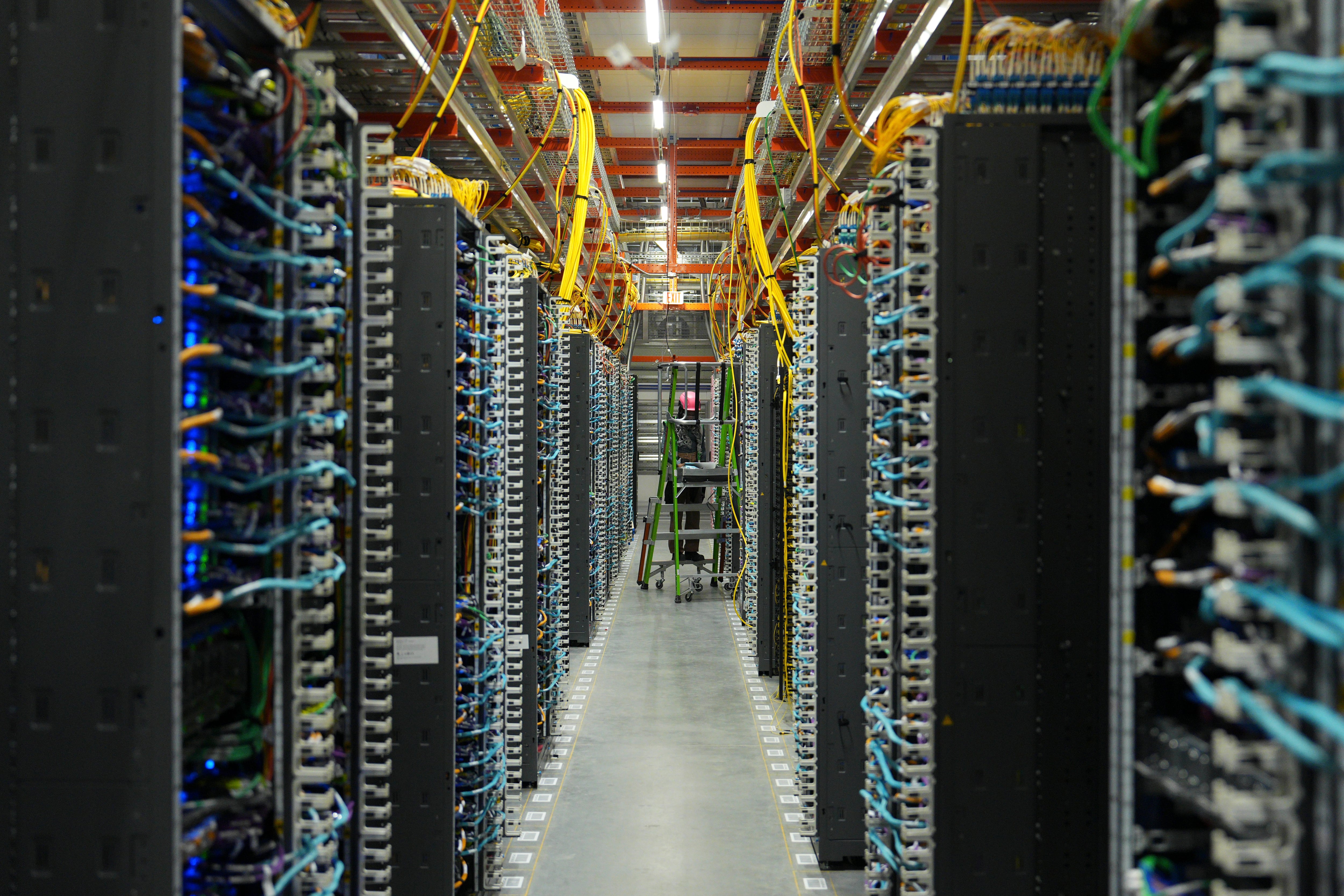
However, this reliance has also created vulnerability. The global tech industry is currently undergoing a profound structural transformation, arguably the most significant since the dawn of the internet. The rapid advancements in generative technology are forcing companies to re-evaluate their entire operational model. The focus has shifted from expanding human workforces to investing massively in new infrastructure and automation, a strategic change that is now sending shockwaves through the Irish employment market.
Key Developments
The latest wave of redundancies has hit the Irish tech workforce hard. Meta, the parent company of Facebook and Instagram, has initiated a process to cut its international workforce by 10%, with significant implications for its large Dublin campus. Software giant Oracle is also reducing its Irish presence, cutting 150 jobs. The knock-on effects are proving even more severe, with Irish firm Covalen, which provides services to Meta, announcing it is cutting 700 jobs, a devastating blow to its staff.
This is happening against a backdrop of staggering financial success for the tech giants. In the first quarter of 2026, Meta reported a colossal profit of $55 billion, while Microsoft posted profits of $38 billion. According to an analysis in The Irish Times, this round of job cuts feels very different from previous downturns. It is not a response to a financial slump, but a strategic realignment. The "Big Four" – Amazon, Meta, Microsoft, and Google – are set to spend a combined $725 billion on infrastructure this year alone. Meta CEO Mark Zuckerberg articulated this vision starkly, stating, "We are seeing more and more examples where one or two people are building something in a week that would have previously taken dozens of people months".
The potential long-term impact on the Irish economy is deeply concerning. A recent report by the Economic and Social Research Institute (ESRI) has warned that as much as 7% of all jobs in Ireland could be displaced in the short to medium term, with the tech and financial services sectors being particularly vulnerable, as detailed in the same report.
Why It Matters
This trend signifies a fundamental decoupling of revenue growth from job creation in the technology sector. For years, the industry's expansion meant more jobs, but the current era is rewriting that formula. The immense profitability of tech companies is now being reinvested not in people, but in automated systems. This presents a profound challenge for economies like Ireland's that have bet heavily on the tech sector for employment. The social contract, where corporations provide stable jobs in return for a favourable business environment, is being tested.
The shift also raises critical questions about the future of work itself. Zuckerberg's comment points to a dramatic increase in productivity, but also to a world where fewer people are needed to generate immense value. This could lead to a widening gap between a small group of highly-skilled specialists and a larger workforce whose skills are becoming obsolete. The challenge for policymakers will be to manage this transition, investing in education and reskilling programmes to prepare the workforce for a new economic reality.
Local Impact
For Ireland, the immediate impact is one of fear and uncertainty for thousands of highly-paid tech workers and their families, who now face an insecure future. The loss of these jobs has a significant ripple effect, reducing consumer spending and impacting local businesses, from cafes and restaurants to estate agents in the Dublin area. On a national level, a contraction in tech employment could threaten the substantial corporation tax revenues that the Irish exchequer has become dependent on to fund public services. The government faces the urgent task of diversifying the economy to mitigate the risks of this over-reliance on a single, rapidly changing sector.
What's Next
The tech sector is now in a period of intense transition. Further job announcements are expected throughout 2026 as companies continue to implement their new strategies. The Irish government is under pressure to formulate a national strategy that not only embraces the technology's potential but also addresses the societal and economic disruption it will cause. The focus will now shift to the upcoming reports on employment figures and exchequer returns, which will provide the first concrete data on the financial impact of this technological shift.