Dublin's Power Crunch Pushes Ireland's Data Centre Boom to Regional Hubs
Severe constraints on the power grid in the Dublin metropolitan area are forcing a geographic shift in Ireland's booming data centre industry, with Cork and Limerick now emerging as the next frontiers for development in a sector projected to be worth over US$2.8 billion by the end of the decade.
Background
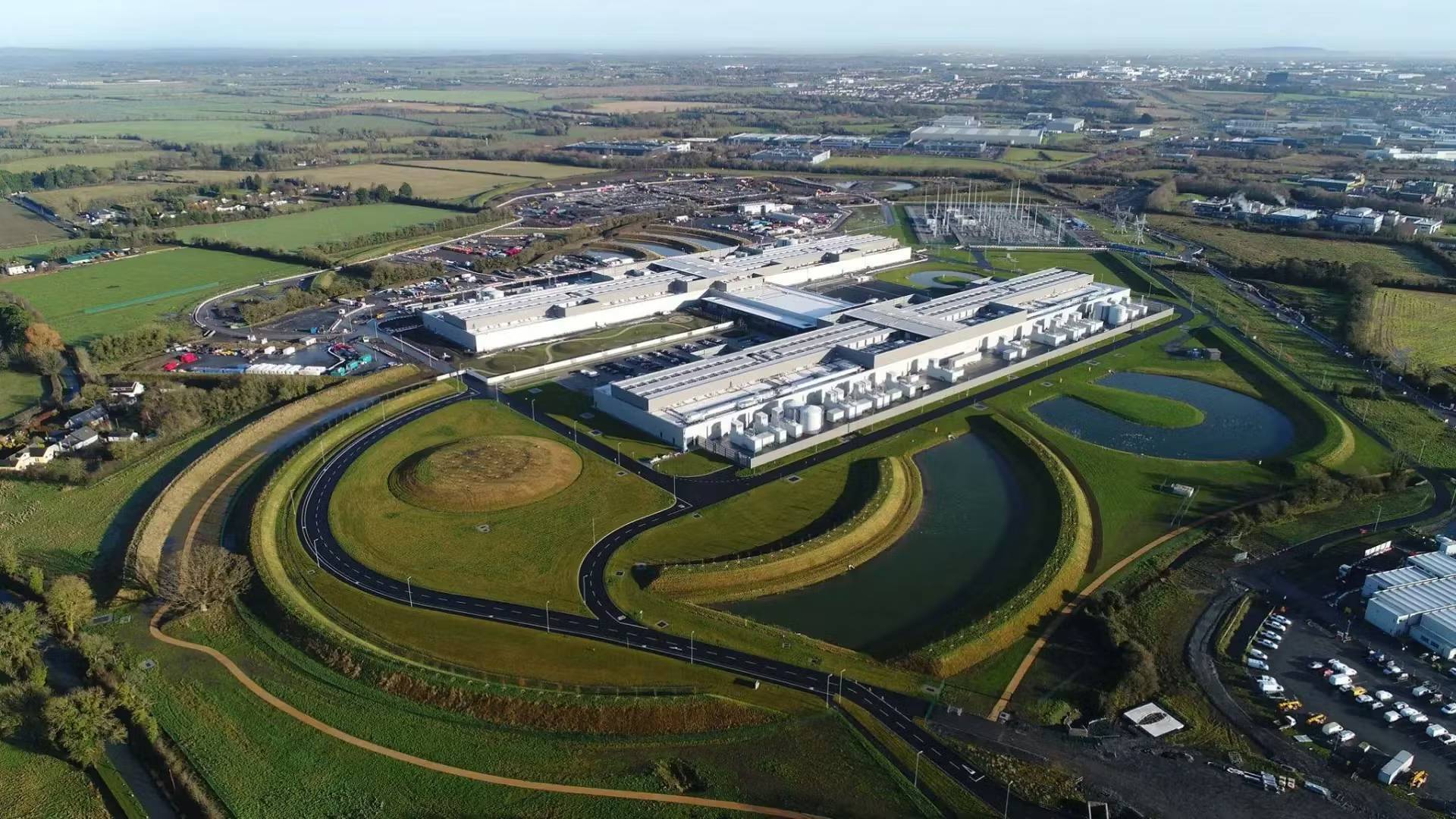
Ireland has become one of the world's premier locations for data centres, the vast, power-hungry warehouses of servers that form the backbone of the digital economy. The country's stable political climate, cool weather, and status as a key transatlantic data gateway have attracted massive investment from "hyperscalers" like Google, Meta, Apple, Microsoft, and Amazon. This has led to a concentrated cluster of facilities in and around Dublin, which now handles a significant portion of Europe's data traffic.
This rapid, concentrated growth has come at a cost. The immense electricity demand from these data centres has placed an unsustainable strain on the Dublin region's power grid. EirGrid, the state-owned transmission system operator, has warned for several years that it can no longer guarantee it can meet the power demands of new, large-scale developments in the capital. This has created a critical bottleneck, threatening to stall the growth of an industry that has become a pillar of Ireland's foreign direct investment strategy.
Key Developments
In response to the looming energy crisis, EirGrid has imposed significant restrictions on new data centre connections in the Dublin area. This has effectively created a de facto moratorium on new large-scale developments in the capital, forcing the industry to look elsewhere. According to a new market analysis published by GlobeNewswire, this has catalysed a strategic shift towards other regions with more available grid capacity.
The report highlights Cork and Limerick as the primary beneficiaries of this displacement. Both cities offer access to transatlantic fibre-optic cables and have local authorities keen to attract investment. The Ireland data centre colocation market is still on a steep growth trajectory, projected to grow from US$1.65 billion in 2026 to US$2.81 billion by 2030. To secure approval, new data centres are now required to demonstrate how they can contribute to the grid, for example by developing their own dedicated renewable energy sources or by implementing sophisticated demand-response systems. The major hyperscalers, including Google, Meta, and Amazon, are all actively exploring expansion options in these new regional hubs, as detailed in the industry analysis.
Why It Matters
This geographic diversification is a crucial development for the sustainability of Ireland's tech sector. It alleviates the critical energy bottleneck in Dublin, allowing the country to continue attracting lucrative data centre investments. By forcing new developments to integrate renewable energy and grid-support functions, the policy is also accelerating the greening of the industry. This could position Ireland as a leader in sustainable data management, a significant competitive advantage in an increasingly climate-conscious world.
However, the shift is not without challenges. It requires significant investment in grid infrastructure in the new host regions and careful planning to ensure that local communities benefit from the investment. There are also ongoing environmental concerns about the sheer water and energy consumption of these facilities, even with renewable power sources. The success of this new regional strategy will depend on a coordinated effort between the government, EirGrid, and the tech companies to ensure that development is both sustainable and socially equitable.
Local Impact
For Cork and Limerick, the arrival of the data centre industry represents a major economic opportunity. The construction and operation of these facilities will create hundreds of high-skilled jobs and stimulate local economies. It will cement their status as important technology hubs, potentially attracting further investment in related industries. However, local communities will also be wary of the potential downsides. They will seek assurances about the impact on local energy and water resources, and demand that the new developments do not come at the expense of the local environment or the power needs of existing homes and businesses.
What's Next
The focus for the remainder of 2026 will be on the planning and approval process for several large-scale data centre projects proposed for the Cork and Limerick areas. EirGrid is expected to publish updated forecasts for regional energy capacity, which will be a critical factor for investors. The government will also be under pressure to demonstrate that its new assessment criteria for data centres are robust enough to protect both the national grid and the environment, as Ireland enters a new, more decentralised era of digital infrastructure.