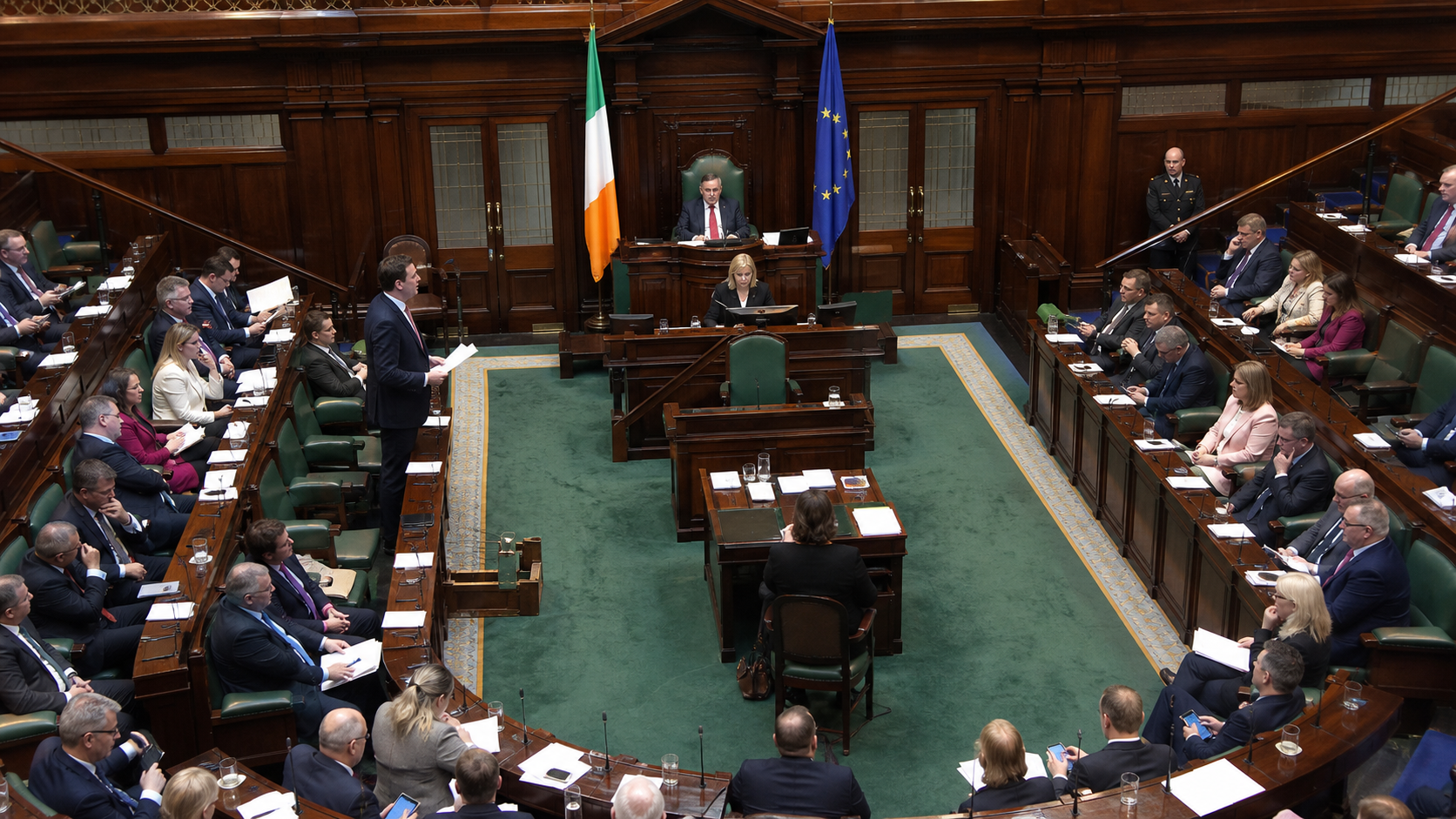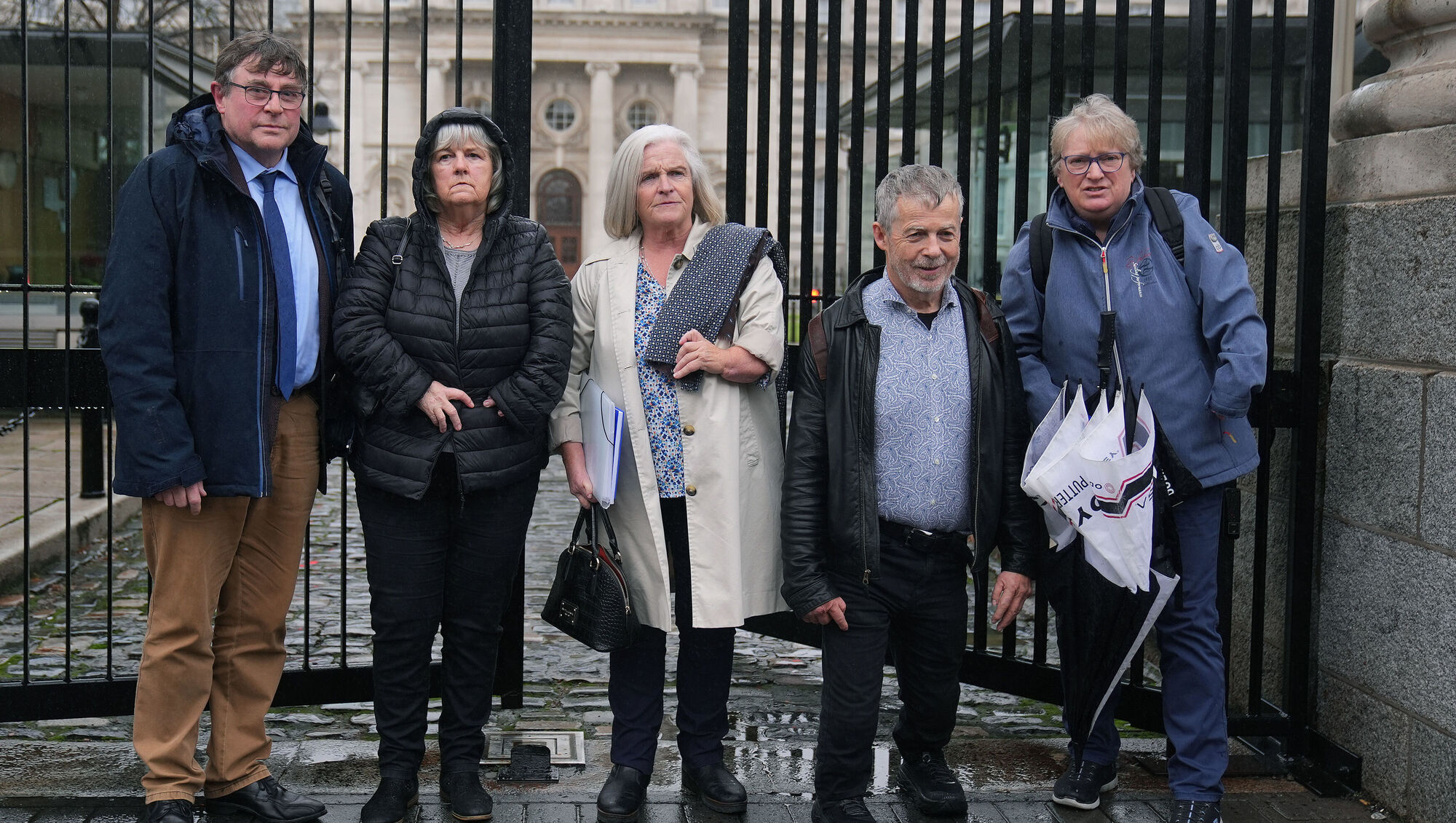
Thalidomide Survivors Urge Speed as Government Insists More Work Needed Before State Apology Can Be Issued
Thalidomide survivors and their families have expressed deep frustration after the Irish government indicated that further work is required before a formal state apology can be issued, despite earlier commitments from Tánaiste Simon Harris that 2026 "has to be the year" for resolution — a delay that the Irish Thalidomide Association has described as deeply disappointing given the advancing age of survivors and the deteriorating health of many of the mothers who were prescribed the drug decades ago.
Background
Thalidomide was a sedative and anti-nausea drug prescribed to pregnant women in Ireland and across the world from the late 1950s until the early 1960s, when it was withdrawn following the discovery that it caused severe birth defects, including limb abnormalities, in children whose mothers had taken it during pregnancy. In Ireland, the drug continued to be sold until 1964 — three years after international withdrawals had begun — a delay that has been a source of profound grievance for survivors and their families.
The Irish Thalidomide Association has been campaigning for a formal state apology and a fair compensation scheme for many years. The campaign gained significant momentum in 2026 when Tánaiste and Finance Minister Simon Harris publicly stated that the year "has to be the year" for resolution and closure, raising expectations among survivors that a formal apology was imminent. Similar apologies have been issued in the United Kingdom and Australia, where governments have acknowledged the harm caused by the drug and the failure of regulatory systems to protect pregnant women.
The resolution process in Ireland is being chaired by retired High Court judge Paul Gilligan, who has been tasked with developing a pathway to resolution that addresses the concerns of all survivors, including a group of 12 "unacknowledged" survivors whose mothers were prescribed the drug after its official withdrawal and who remain excluded from the current state-recognised cohort.
Key Developments
The government's position, as communicated to the Irish Thalidomide Association in recent months, is that further work is required before a formal apology can be issued — specifically, the development of a "fair and credible pathway" for the 12 unacknowledged survivors. The ITA has expressed disappointment at this position, arguing that the question of the unacknowledged survivors, while important, should not be allowed to delay an apology to the broader group of recognised survivors who have been waiting for decades.
The association has emphasised that "speed is of the essence" given the advancing age of survivors and their mothers. Many of the mothers who were prescribed thalidomide are now in their eighties or nineties, and the association has warned that further delay risks the apology coming too late for some of those most directly affected. The government has provided an enhanced package of health and social care supports for survivors, but the ITA has made clear that financial support, while welcome, is not a substitute for a formal acknowledgement of the state's responsibility.
Taoiseach Micheál Martin and Tánaiste Harris have both met with ITA representatives in 2026, and the government has indicated that further engagement is planned for the autumn. The resolution process chaired by Judge Gilligan is expected to produce recommendations in the coming months, which will then inform the government's decision on the timing and form of the apology.
Why It Matters
The thalidomide case matters because it represents one of the most significant failures of the Irish state's regulatory and public health systems in the 20th century. The decision to continue selling the drug in Ireland for three years after international withdrawals had begun — a period during which additional children were born with thalidomide-related disabilities — reflects a regulatory culture that prioritised commercial interests over public safety. A formal state apology would acknowledge that failure and provide a measure of recognition for the harm caused.
The case also has broader implications for how Ireland addresses historical injustices. The state has issued apologies for a range of historical wrongs in recent years, including the treatment of women in mother and baby homes and the abuse of children in industrial schools. The thalidomide apology is part of this broader process of reckoning with the past, and its delay sends a signal about the government's commitment to that process.
Local Impact
Thalidomide survivors live across Ireland, from Dublin and Cork to smaller towns and rural communities. Many have lived with significant physical disabilities throughout their lives, requiring ongoing medical care, assistive technology, and support services. The enhanced health and social care package provided by the government has been welcomed as a practical improvement in their circumstances, but the absence of a formal apology has left many feeling that their experience has not been fully acknowledged. The ITA's membership includes survivors of all ages, from those who are now in their sixties to younger survivors whose mothers were among the last to be prescribed the drug in Ireland.
What's Next
The resolution process chaired by Judge Gilligan is expected to produce recommendations in the autumn of 2026, with the government indicating that further engagement with the ITA is planned for that period. The ITA has made clear that it will continue to press for a formal apology and a fair compensation scheme, and has indicated that it will not accept further delays without a clear timeline for resolution. The question of the 12 unacknowledged survivors remains the primary obstacle to progress, and the government's ability to develop a credible pathway for this group will determine whether the apology can be issued before the end of 2026.