Ireland's Teaching Crisis Deepens as TUI Warns Retention Has Become as Urgent as Recruitment
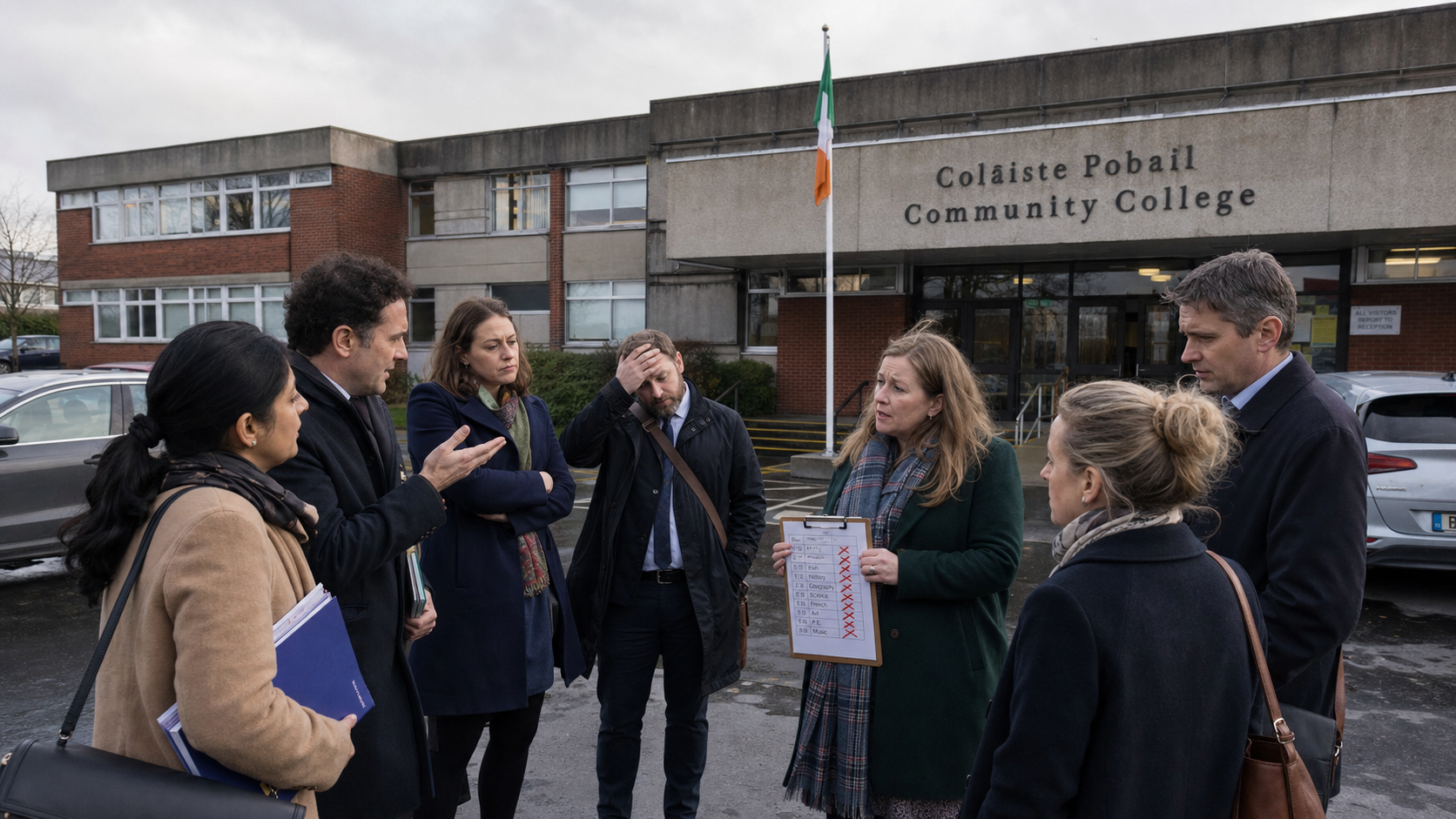
The Teachers' Union of Ireland has issued a stark warning that retaining teachers within the Irish education system has become as significant a challenge as initial recruitment, with new survey data showing that 75% of schools have advertised vacancies for which they received no applications, and one in five secondary schools has been forced to drop subjects entirely due to an inability to find qualified staff.
Background
Ireland's teacher shortage has been building for years, driven by a combination of factors that have made the profession increasingly unattractive to new entrants and difficult to sustain for those already in it. The housing crisis has been a particularly acute pressure point: in a country where a newly qualified teacher on the first point of the salary scale earns approximately €38,000 per year, finding affordable accommodation in Dublin, Cork, or Galway has become effectively impossible for many young professionals.
The two-year Professional Master of Education, which is the required qualification for post-primary teaching in Ireland, represents a significant investment of time and money for graduates who might otherwise pursue careers in sectors offering higher salaries and better working conditions. The TUI has long argued that the PME should be shortened to one year, a change that would reduce the barrier to entry and bring Ireland into line with practice in many other European countries.
The problem is not confined to any single subject area, though Irish, mathematics, and French have been identified as the most difficult subjects for which to find teachers. The shortage of Irish-language teachers is particularly concerning given the Government's stated commitment to expanding Irish-medium education and meeting the targets set out in the Gaeltacht Act and the Irish Language Strategy.
Key Developments
The TUI's latest survey, conducted in partnership with the Principals and Deputy Principals Association, found that 75% of schools had advertised vacancies in the preceding six months for which they received no applications. This figure represents a significant deterioration from previous surveys and suggests that the shortage is becoming more acute rather than improving.
The union has identified excessive administrative workload as a primary driver of attrition among existing teachers. The volume of paperwork, reporting requirements, and bureaucratic demands placed on teachers has increased substantially in recent years, eating into the time available for lesson preparation and professional development. Many teachers report feeling overwhelmed by administrative demands that have little direct connection to their core function of teaching.
The Department of Education has maintained that the sector is not broadly short-staffed, pointing to vacancy data suggesting that the percentage of unfilled allocations at post-primary level has decreased compared to previous years. The TUI has disputed this characterisation, arguing that the department's data does not capture the full extent of the problem, including the use of unqualified or casual staff to cover gaps and the reduction of subject offerings to manage shortages.
Why It Matters
The teacher shortage has direct consequences for students, particularly those in schools that have been forced to drop subjects or rely on unqualified staff. The right to a broad and balanced curriculum is a fundamental principle of Irish education policy, and the inability to deliver that curriculum due to staffing shortages represents a failure of the system that will have long-term consequences for the young people affected.
The retention problem is, in some ways, more difficult to address than the recruitment problem. Attracting new entrants to the profession requires changes to pay, conditions, and the structure of the PME — all of which are within the Government's power to deliver. Retaining experienced teachers requires addressing the underlying causes of dissatisfaction, including workload, housing, and the sense that the profession is not valued by society or the state.
Only 35% of recent entrants to the profession reported receiving a contract of full hours when starting their careers, a figure that speaks to the precarious nature of early-career teaching in Ireland. The prevalence of part-time and temporary contracts makes it difficult for young teachers to plan their lives, secure mortgages, or commit to the profession for the long term.
Local Impact
The impact of the teacher shortage is felt most acutely in schools in areas where housing costs are highest and where the competition for qualified staff is most intense. Dublin, Cork, and Galway have been particularly affected, but the problem is not confined to urban areas. Rural schools, which often struggle to attract candidates willing to relocate, have also reported significant difficulties in filling vacancies.
The shortage of Irish-language teachers has a particular impact on Gaeltacht areas and on schools offering Irish-medium education, where the pool of qualified candidates is inherently smaller. Gaelscoileanna and Gaelcholáistí across the country have reported difficulties in finding teachers with the necessary language proficiency and teaching qualifications, a problem that threatens the Government's ambitions for Irish-medium education expansion.
What's Next
The TUI has called for an emergency summit with the Department of Education to address the retention crisis, and the union has indicated it will pursue the issue through the Workplace Relations Commission if the Government does not engage substantively. The Department is expected to publish a response to the TUI's survey data in the coming weeks. The issue is likely to feature prominently in the autumn Dáil term, with opposition parties already signalling their intention to raise it in the chamber. A review of the PME structure is expected to be completed by the end of 2026.