Taoiseach Survives Internal Revolt as Ireland Grapples with Fuel Crisis and Soaring Energy Bills
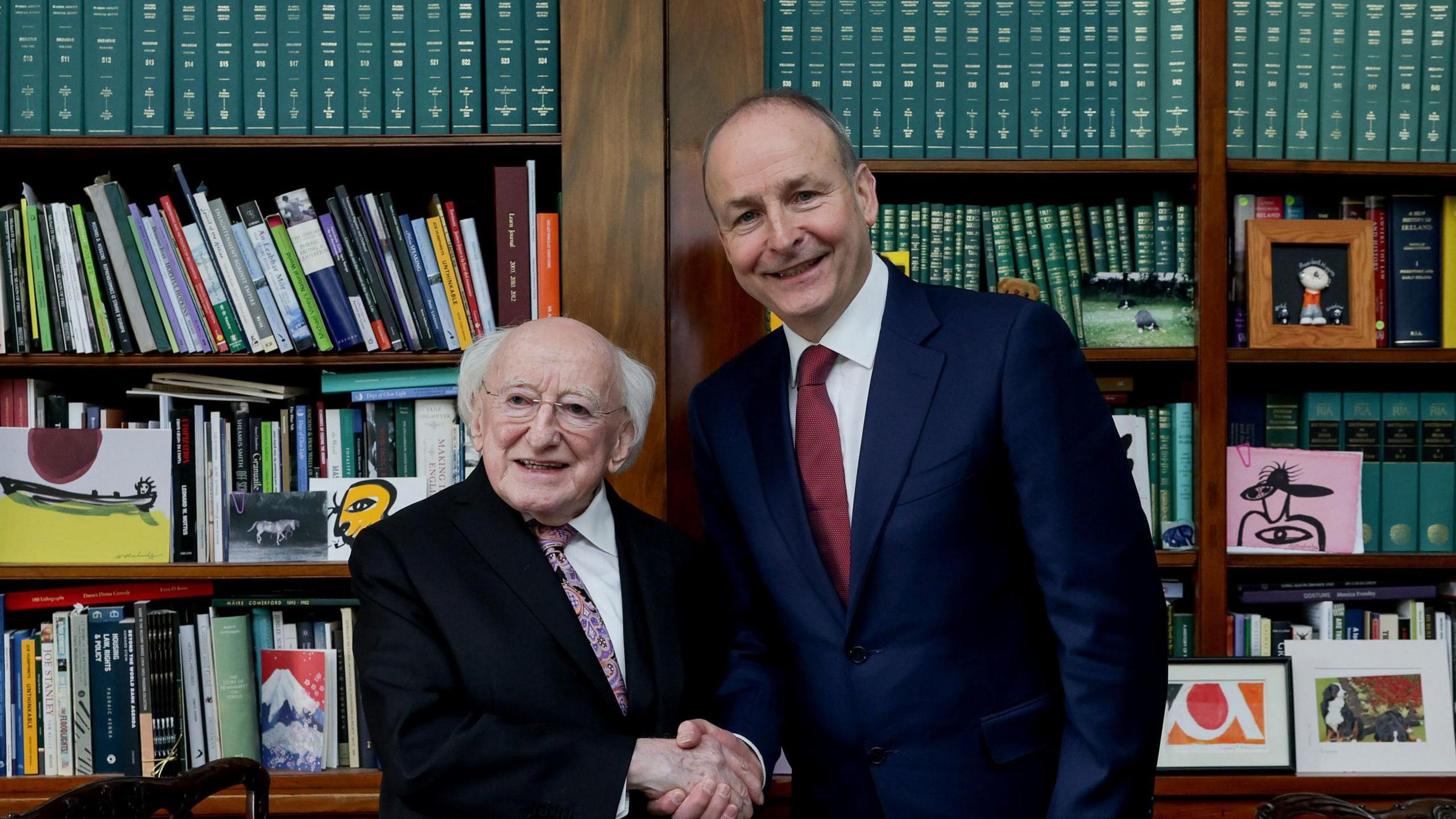
Taoiseach Micheál Martin has survived a week of internal Fianna Fáil dissent and vowed to lead the party into the next general election, as his government faces mounting pressure over soaring fuel and energy prices linked to the ongoing war in Iran and its devastating impact on Irish households and businesses.
The Taoiseach acknowledged the "real pain and fear" being felt across the country as fuel prices continue to climb, driven by the conflict in Iran and the resulting crisis in the Strait of Hormuz. Between the start of the war and the April protests, diesel prices surged by approximately 28% and petrol by 25%, with home heating oil prices rising by 63% — a combination that has pushed many families to the financial brink and triggered the most significant political crisis of Martin's tenure as Taoiseach.
Background
The 2026 Irish fuel protests, which erupted earlier this month, were a direct response to rapidly escalating petrol, diesel, and home heating oil prices. The protests drew tens of thousands of people onto the streets of Dublin and other cities, with farmers and hauliers blockading major roads, fuel depots, and the nation's only oil refinery at Whitegate. The government condemned the blockades as "national sabotage" and deployed Gardaí and the Defence Forces to clear them, a response that further inflamed tensions with rural communities already feeling the acute economic pain of the crisis.
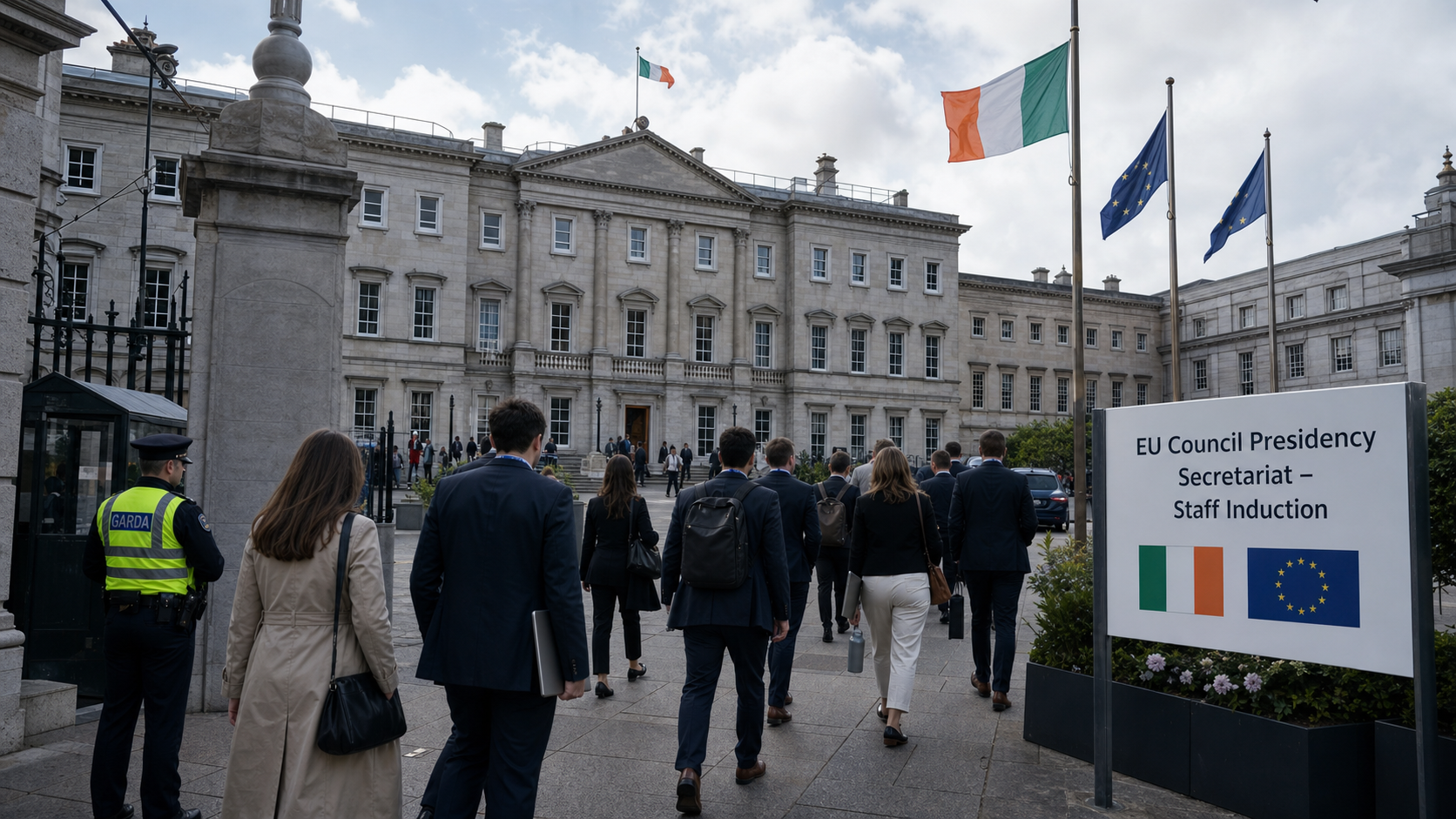
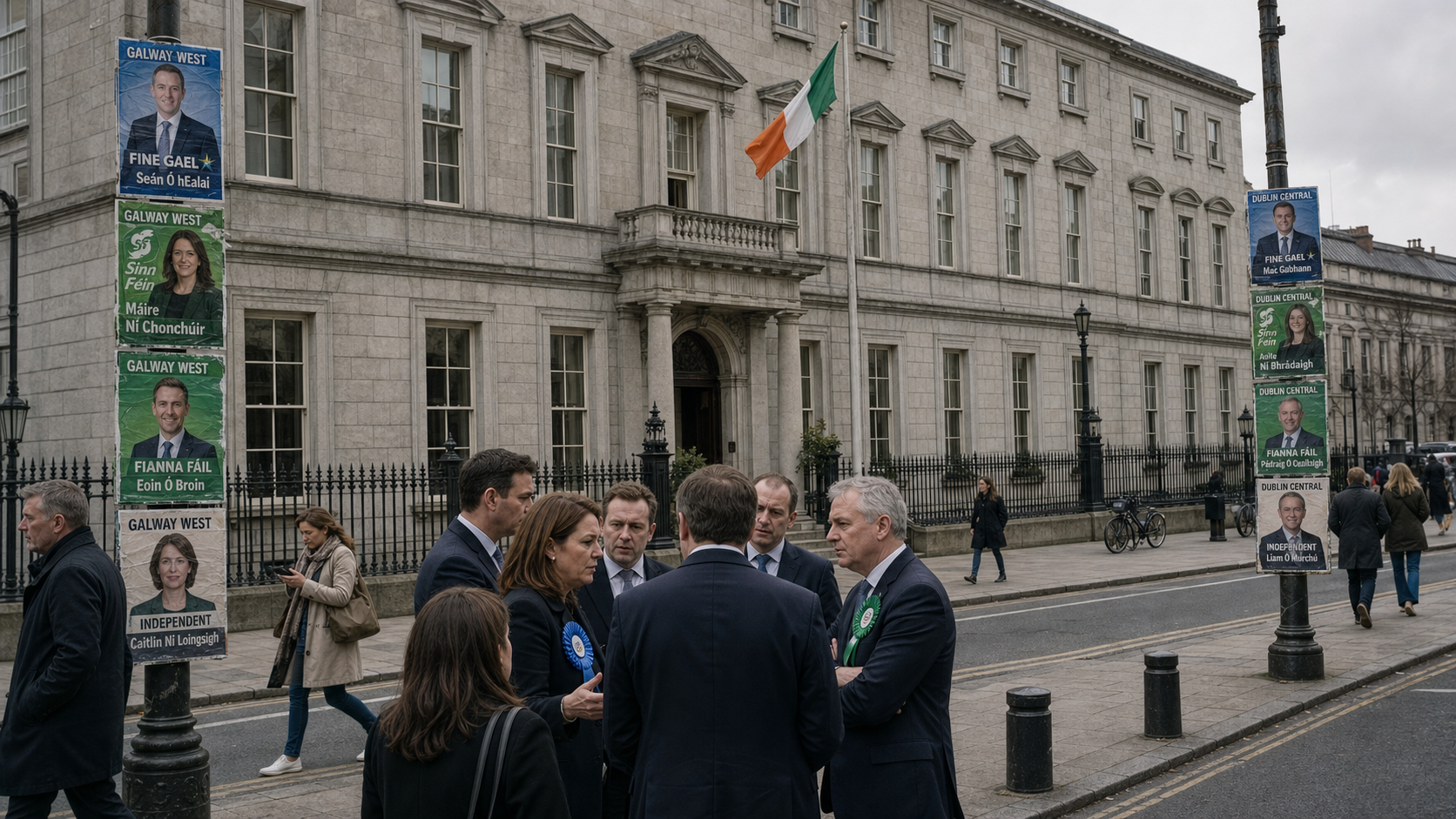
The internal Fianna Fáil revolt was triggered primarily by the government's handling of the nationwide fuel protests, with many backbench TDs — particularly from rural constituencies — feeling that the government's response was alienating their grassroots supporters. Three of the party's youngest TDs issued a public statement warning of a "disconnect" between the party and the public. Despite whispers of a no-confidence motion, the rebellion ultimately failed to gain critical mass, with no clear alternative leader stepping forward and a packed political calendar — including upcoming party centenary celebrations and Ireland's assumption of the EU presidency — making a leadership contest impractical.
Key Developments
The government announced a €505 million support package, including cuts to fuel excise duty, to alleviate the financial pressure on families and industries. The government is also seeking a derogation from the EU's Energy Tax Directive to allow for lower excise duties on fuels, particularly for green diesel used in agriculture, with the European Commission showing a willingness to grant member states flexibility on the condition that such measures do not perversely increase demand for fossil fuels.
Aer Lingus announced a 2% reduction of its summer 2026 schedule, affecting around 430 flights, as jet fuel prices more than doubled. The government confirmed that Ireland has a 70-day reserve of aviation fuel, primarily sourced from the United States. Minister Simon Harris indicated he would incorporate "worst case" scenarios into future economic forecasts, signalling the government's recognition of the severity of the situation. A construction industry chief also warned that the war is driving up the cost of building homes in Ireland, potentially leading to a significant housing shortage by 2028 if the crisis is not resolved.
Why It Matters
The fuel crisis is testing the resilience of the Irish coalition government and the personal authority of the Taoiseach in a way that few crises have. With energy costs affecting every household and business in the country, the government's ability to manage the economic fallout from the Iran conflict will be a defining issue for its political survival. The internal revolt, though ultimately unsuccessful, has exposed fault lines within Fianna Fáil that could widen if the crisis deepens or if the government's response is seen as inadequate. The broader economic implications are also significant — Ireland's open economy is particularly vulnerable to external shocks, and the combination of rising energy costs, flight cancellations, and construction cost increases represents a serious threat to the growth trajectory that has underpinned the country's prosperity in recent years.
Local Impact
For Irish households, the fuel crisis is not an abstract political problem but a daily reality. Families are making difficult choices between heating their homes and putting food on the table, while farmers and hauliers face existential threats to their businesses. The government's €505 million support package has been welcomed but is widely seen as insufficient to address the scale of the challenge. The crisis has also reignited debate about Ireland's energy security and the urgent need for greater investment in renewable energy to reduce dependence on imported fossil fuels — a conversation that has been ongoing for years but has taken on new urgency in the context of the Iran war.
What's Next
Minister Harris is expected to present revised economic forecasts to the Dáil in the coming weeks. The government will continue its lobbying efforts in Brussels for emergency measures to reduce the tax burden on aviation fuel. For the latest, see RTÉ News and The Irish Times.