Stormont at a Crossroads: Only One in Four Believe Power-Sharing Has Improved Their Lives
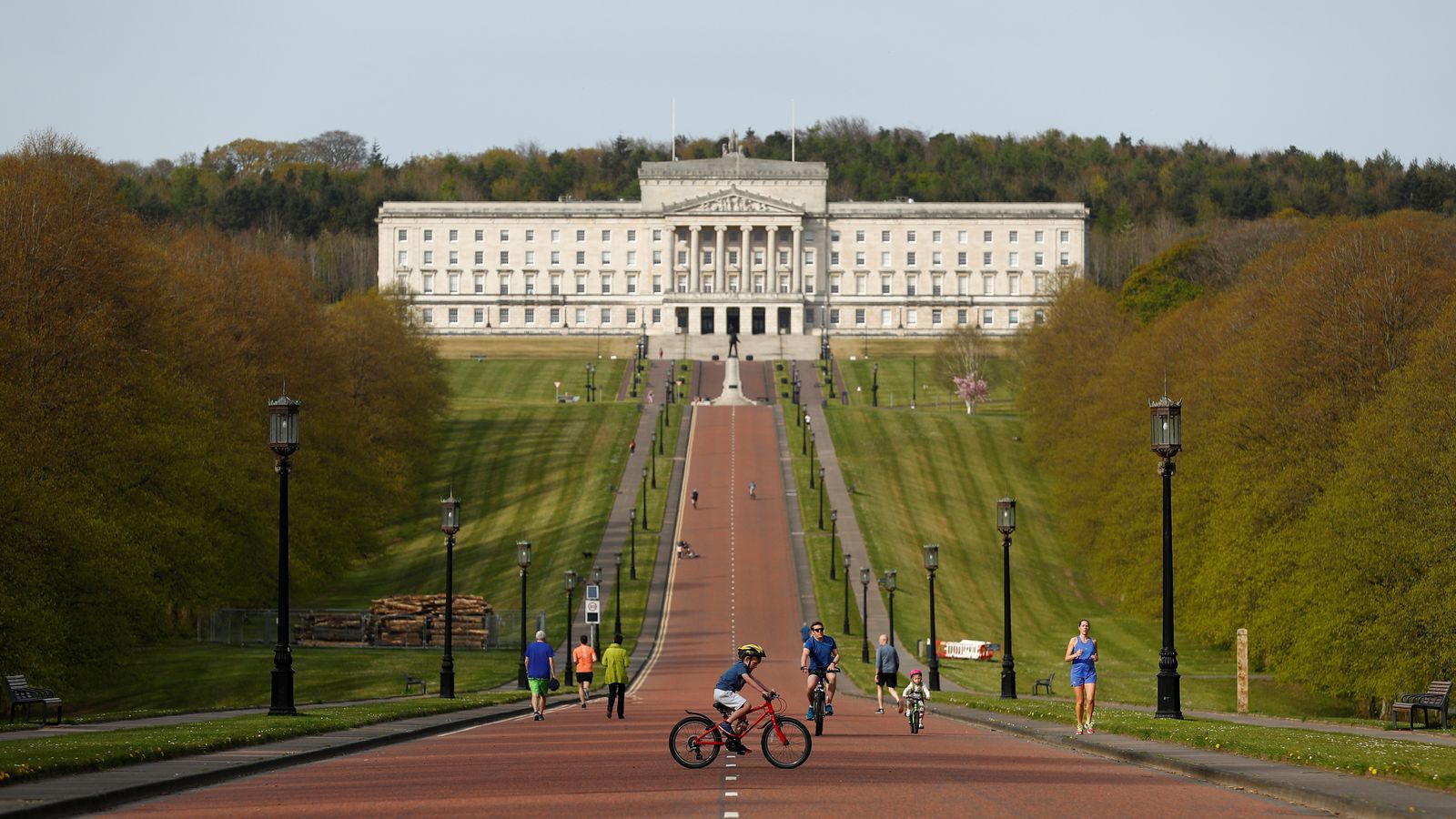
Twenty-eight years after the Good Friday Agreement, a damning new poll has found that only one in four people in Northern Ireland believe the Stormont power-sharing executive has improved their lives — as the Assembly faces mounting criticism for legislative gridlock, a controversial pay rise for MLAs, and chronic failures in public services that are testing public patience to its limits.
Background
The Northern Ireland Assembly, established under the 1998 Good Friday Agreement, operates on a mandatory coalition basis between the two largest parties — currently Sinn Féin and the Democratic Unionist Party (DUP). The system is designed to ensure cross-community governance, but critics argue it has increasingly become a vehicle for political paralysis rather than effective government. The Assembly has been suspended multiple times since its establishment, operating for only around 60 per cent of its existence — a record that has eroded public confidence in the institutions.
The most recent collapse, a two-year boycott by the DUP in protest against post-Brexit trading arrangements, ended in February 2024 following a deal that included the "Safeguarding the Union" command paper and a £3.3 billion financial package for Northern Ireland. The restoration was welcomed as a fresh start, but a 2025 survey by the University of Liverpool found that only 19.3 per cent of people believed the Assembly would not collapse again, and only 27.4 per cent of voters were satisfied with the performance of ministers — a sobering indication of how far public trust has fallen.
The January 2026 poll finding that only one in four people believe power-sharing has improved their lives is consistent with a broader pattern of disillusionment. A 2023 YouGov survey found that 70 per cent of the population felt that the Good Friday Agreement had failed to deliver stable governance and that major changes were needed to the power-sharing structures. The gap between the promise of the Agreement and the reality of devolved government has become a defining feature of political life in Northern Ireland.
Key Developments
The Assembly has passed only 12 bills since its most recent restoration, the majority of which were described as minor "housekeeping" matters. Major policy areas — including the establishment of an independent Environmental Protection Agency, which had previously been agreed — have been blocked by single-party vetoes. The cross-community Alliance Party has highlighted how the current structure incentivises crisis over collaboration, allowing individual parties to veto previously agreed policies without consequence.
The dysfunction is exacerbating crises across public services. The health service is overstretched, roads are deteriorating, and water infrastructure is nearing collapse — a situation that is also impeding new housing construction. Against this backdrop, Assembly members voted to increase their own salaries to £67,200 per year from April 2026, a move widely condemned as a reward for political failure and which generated significant public anger.
The Social Democratic and Labour Party (SDLP) has put forward reform proposals, including creating joint first minister roles to remove symbolic hierarchy and dropping the single-party veto on executive formation. The UK Parliament's Joint Committee on Human Rights was also scheduled to question the Northern Ireland Secretary over the contentious Northern Ireland Troubles Bill, adding another layer of political pressure on the institutions.
Why It Matters
The poll findings reflect a growing sense of public disillusionment with devolved government in Northern Ireland that goes beyond partisan politics. Citizens across the community divide are united in their frustration at a system that appears better designed to manage political tensions than to deliver effective public services. The health waiting list crisis — Northern Ireland has the longest waiting lists in the UK, with over 400,000 people waiting for a first outpatient appointment — is perhaps the starkest illustration of the cost of political dysfunction.
With Sinn Féin continuing to push for a border poll on Irish reunification by 2030, and nationalist parties expected to make gains in upcoming elections, the pressure on the power-sharing framework is intensifying. Some architects of the original Agreement maintain that its fundamental success lies in the preservation of peace — but critics argue that peace alone is no longer sufficient justification for a system that is failing to deliver for citizens. The question of whether the mandatory coalition model can be reformed without undermining the cross-community principles that underpin it is one of the most pressing constitutional questions facing Northern Ireland.
Local Impact
For Belfast residents, the consequences of Stormont's dysfunction are felt most acutely in the daily realities of public service delivery. The city's roads, public transport, and housing stock are all showing the strain of years of underinvestment and political gridlock. The MLA pay rise has been particularly poorly received in working-class communities across the city, where many families are struggling with the cost of living crisis. Community and voluntary sector organisations, which have long filled the gaps left by inadequate public services, are themselves under severe financial pressure as Stormont's budget constraints bite deeper.
What's Next
Reform proposals from the SDLP and Alliance Party are expected to be debated in the Assembly in the coming weeks. The Northern Ireland Secretary faces continued scrutiny at Westminster over the Troubles Bill, while upcoming elections will provide a fresh indication of where public sentiment lies on the future of devolved government. The fundamental question — whether the mandatory coalition model can be made to work effectively, or whether more radical reform is needed — is unlikely to be resolved quickly, but the pressure for change has rarely been greater.
Sources: The Guardian; The Irish News; Hansard Society