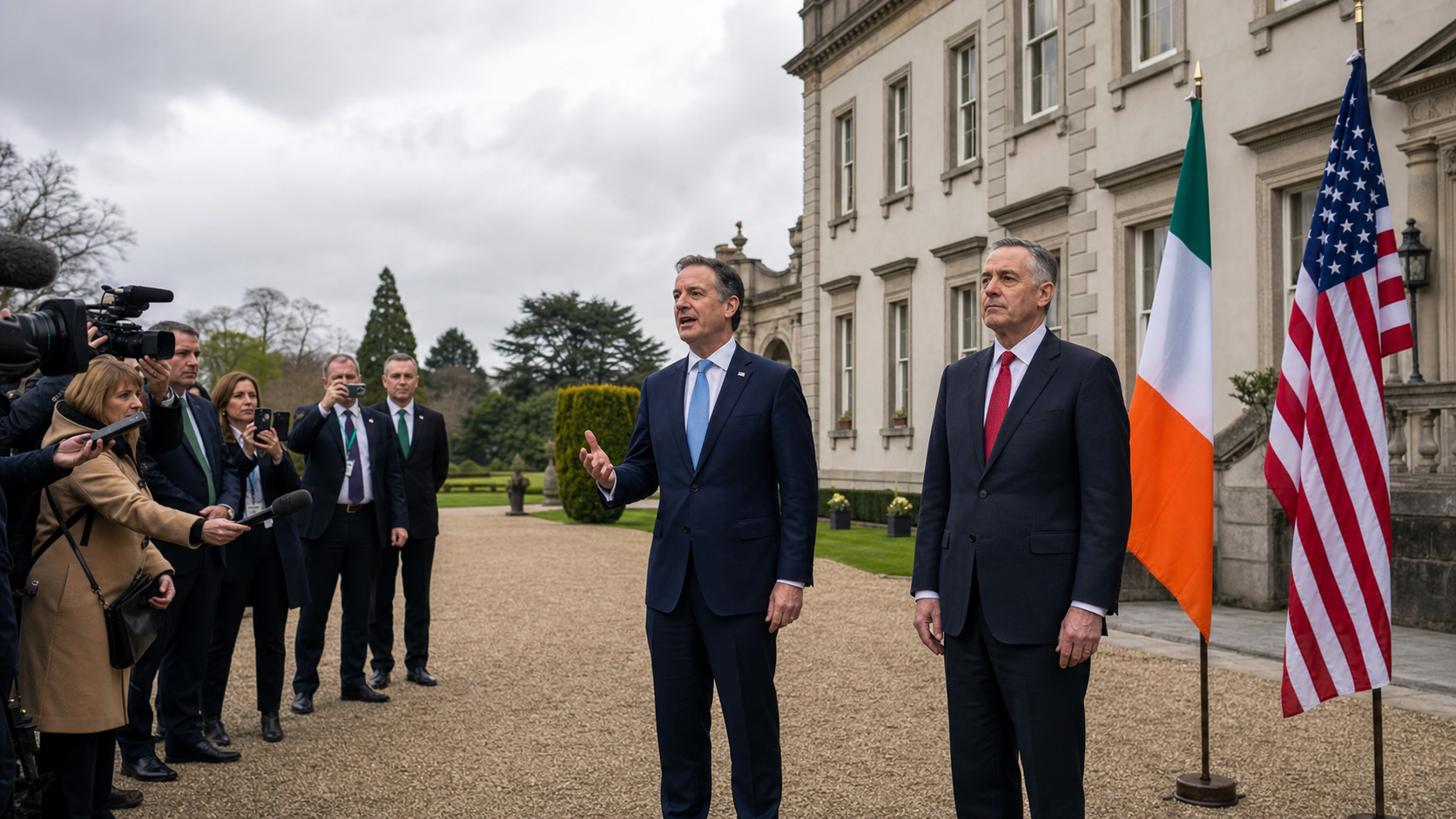
Taoiseach Questions Iran's Commitment to Peace as Trump Visit Looms and Middle East Tensions Escalate
Taoiseach Micheál Martin has questioned whether Iran genuinely wants peace as US military strikes on Iranian oil tankers in the Persian Gulf escalate tensions in the Middle East to their highest point in months — a development that adds a significant layer of diplomatic complexity to President Trump's scheduled visit to Ireland next weekend, when the Taoiseach will be required to engage with the architect of the US military action at Farmleigh House in Dublin.
Background
Ireland's foreign policy has long been characterised by a commitment to neutrality, multilateralism, and the peaceful resolution of international disputes. That commitment has been tested repeatedly in recent years by the conflicts in Ukraine and the Middle East, both of which have required the Irish government to navigate between its principled positions and the practical demands of maintaining relationships with major powers — including the United States, which is Ireland's most important bilateral partner outside the European Union.
The current escalation in the Middle East, which has seen US military forces strike Iranian oil tankers in the Persian Gulf following attacks on US naval vessels, represents a significant deterioration in the security situation in the region. The conflict, which has been building since the Iranian nuclear programme became a flashpoint for US-Iran relations in the early months of Trump's second administration, has now reached a point where direct military exchanges between the two countries are occurring with increasing frequency.
Ireland's position on the conflict has been consistent: the government has called for de-escalation, for dialogue, and for the protection of civilian lives and international shipping. But the arrival of President Trump in Dublin next weekend — at a moment when US military forces are actively engaged in strikes on Iranian targets — creates a diplomatic situation that requires careful management.
Key Developments
Speaking to reporters on Saturday, Taoiseach Martin said that Ireland's position on the Middle East conflict is "clear" — the government supports de-escalation and a diplomatic resolution — but acknowledged that the situation is "deeply concerning." When asked whether he believed Iran wanted peace, the Taoiseach said: "I have to question whether Iran's actions are consistent with a genuine desire for peace. The attacks on US naval vessels were provocative and dangerous, and they have consequences."
The Taoiseach indicated that he intends to raise Ireland's concerns about the Middle East situation with President Trump during their bilateral meeting at Farmleigh House on 12 September, alongside the other issues on the agenda — including the situation of undocumented Irish immigrants in the United States and the broader question of US engagement with European security. He said that Ireland's neutrality does not prevent it from having views on international conflicts, and that those views will be expressed clearly in the bilateral meeting.
Separately, the Taoiseach said that the Russian ambassador to Ireland had been told that he is not in a position to "lecture" Ireland over its stance on the Ukraine war, following comments from the ambassador that were seen as critical of Ireland's support for Ukraine. The Taoiseach said that Ireland's position on Ukraine — support for Ukrainian sovereignty and territorial integrity, and for the international rules-based order — is "non-negotiable."
Why It Matters
The Taoiseach's comments on Iran matter because they represent a more direct engagement with the substance of the US-Iran conflict than Ireland has typically offered. Ireland's traditional approach to international conflicts — calling for dialogue and de-escalation without taking sides — has been increasingly difficult to maintain as the conflicts in Ukraine and the Middle East have become more polarised and as the pressure on neutral countries to take clearer positions has intensified.
The Trump visit adds a particular dimension to this challenge. The Taoiseach will be meeting the president who ordered the strikes on Iranian oil tankers, and the question of how to engage with that reality — how to raise Ireland's concerns about the conflict without damaging the bilateral relationship — is a genuine diplomatic challenge. The Taoiseach's comments suggest that he intends to engage directly with the substance of the conflict rather than simply calling for de-escalation in general terms.
The Russian ambassador's comments, and the Taoiseach's response, also reflect the broader challenge facing Ireland as it navigates a world in which the major powers are increasingly assertive in their expectations of smaller countries. Ireland's neutrality has historically been a source of diplomatic flexibility — the ability to engage with all sides without being seen as aligned with any — but that flexibility is becoming harder to maintain as the conflicts of the current era demand clearer positions.
Local Impact
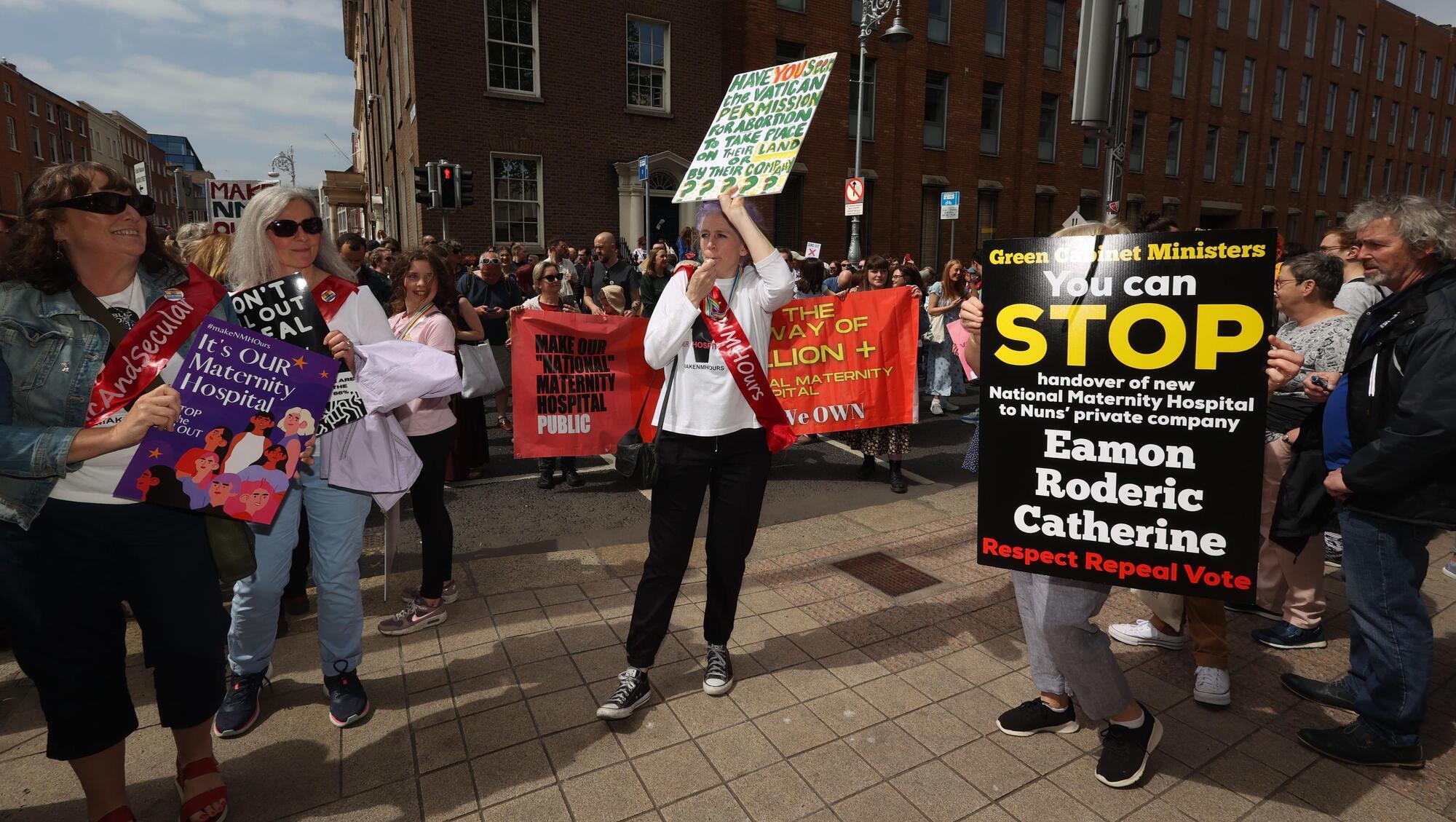
In Dublin, the combination of the Trump visit and the escalating Middle East tensions has generated significant public debate about Ireland's foreign policy and its relationship with the United States. Protest groups have indicated that they will use the Trump visit as an opportunity to demonstrate against US military action in the Middle East, as well as against the administration's domestic policies. The Gardaí have indicated that they are prepared for a range of protest scenarios and that the right to peaceful protest will be facilitated within the security parameters required for the presidential visit. In Cork, where Apple's Irish headquarters is located and where the US economic relationship with Ireland is most visible, the diplomatic tensions have been followed with particular interest by the business community.
What's Next
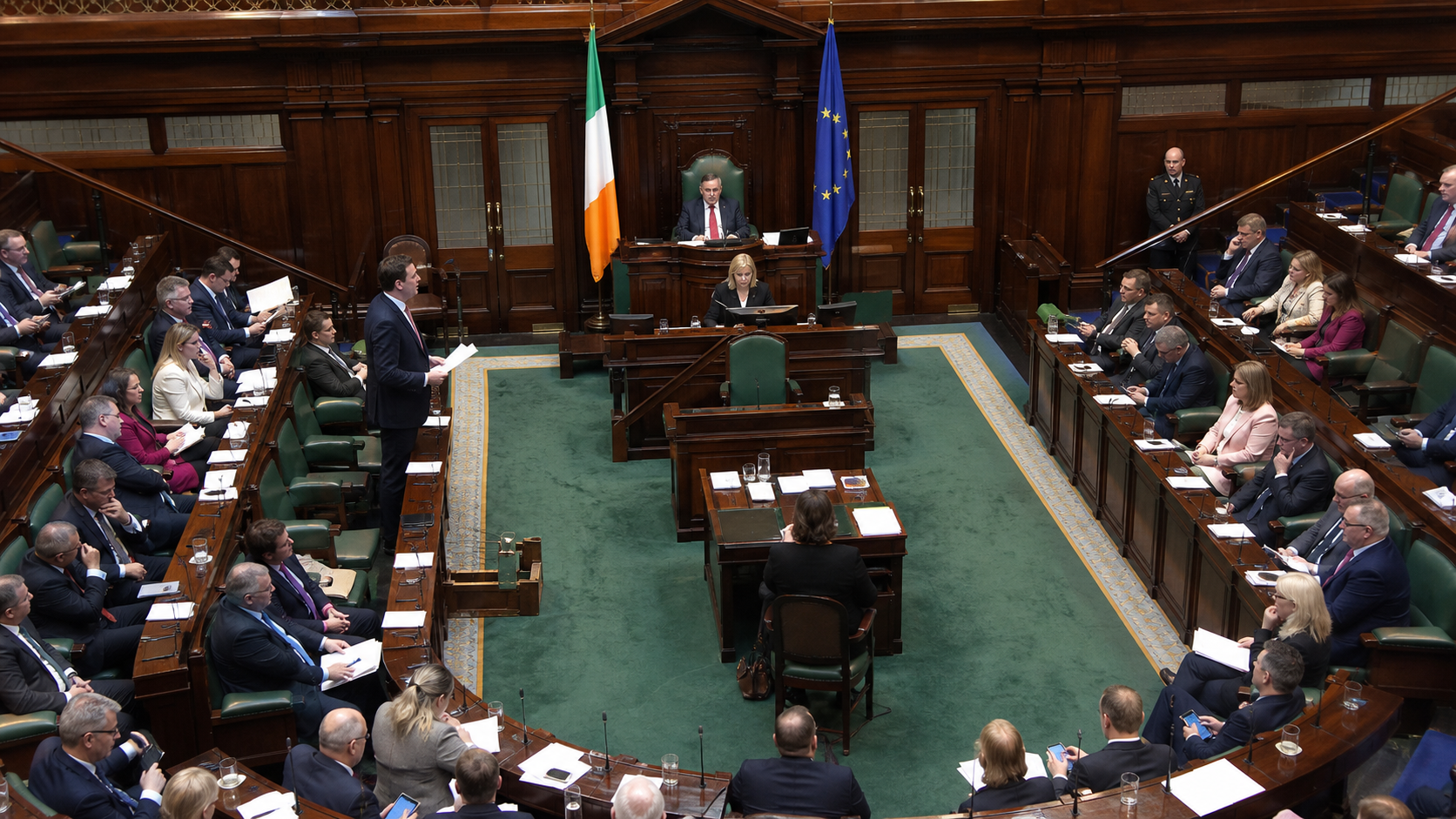
President Trump is due to arrive in Dublin on 12 September, with the bilateral meeting at Farmleigh House scheduled for the morning of that day. The Taoiseach's office will publish a readout of the meeting after it concludes. The Dáil is expected to debate Ireland's foreign policy response to the Middle East conflict when it returns from its summer recess in late September, with opposition parties likely to press the government on the specifics of what was raised with Trump during the bilateral meeting. The UN Security Council is scheduled to meet on the Middle East situation next week, and Ireland — which holds a non-permanent seat on the Council — will be expected to contribute to that discussion.