Taoiseach Micheál Martin Faces Leadership Crisis After Presidential Candidate Implosion
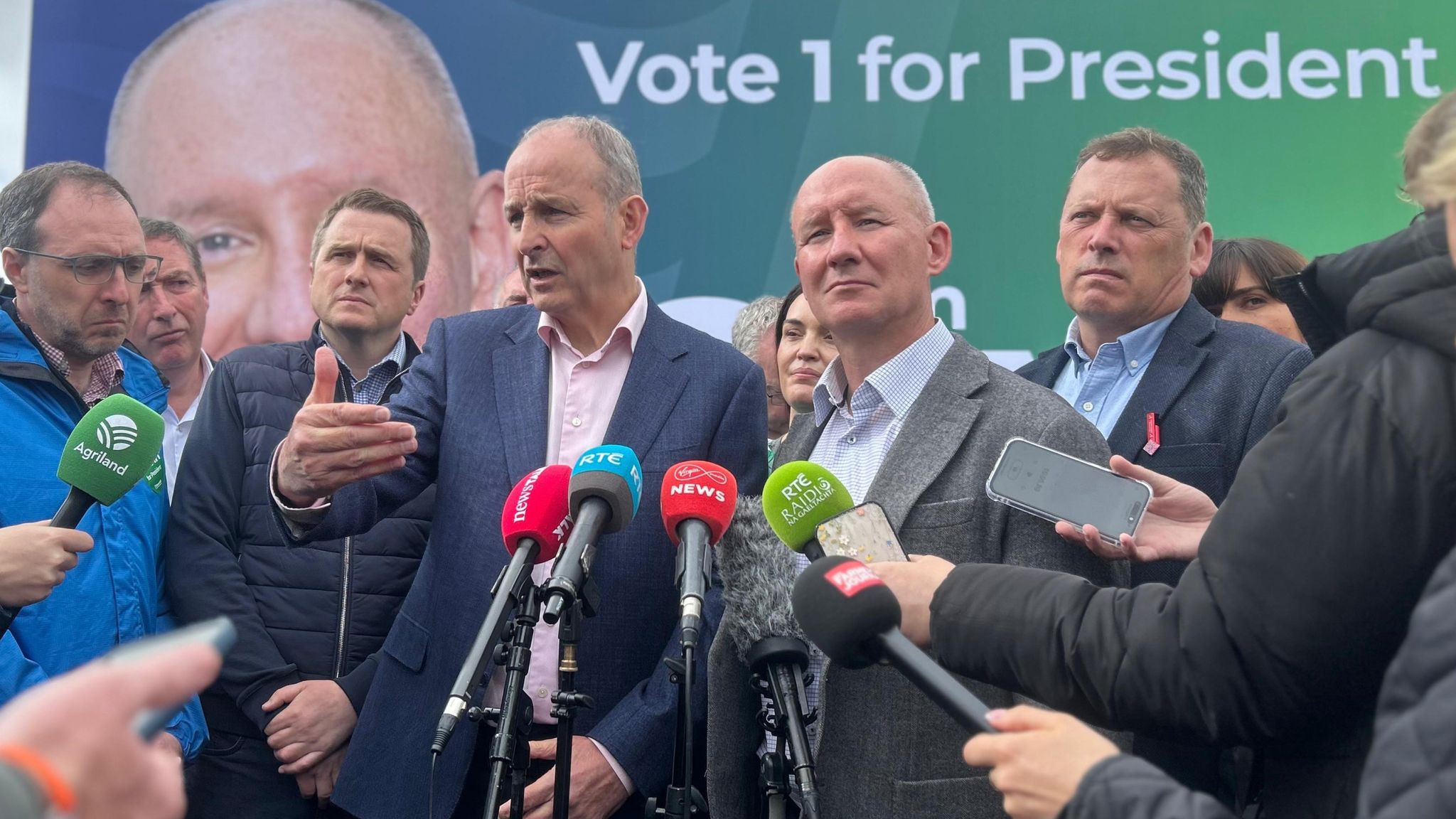
Taoiseach Micheál Martin is facing the most serious challenge to his leadership since taking office, after his chosen presidential candidate Jim Gavin was forced to withdraw from the race following the emergence of a past financial dispute, leaving Fianna Fáil without a candidate and triggering an internal review that has exposed deep divisions within the party.
The crisis, which came to a head in the week of 23 April 2026, has prompted open criticism from Fianna Fáil backbenchers, with some TDs describing Martin's leadership style as "top-down" and autocratic, and questioning his suitability to lead the party into the next general election. Three of the party's youngest TDs issued a statement declaring that "our politics are not working" and that "the social contract is strained to breaking point," in a remarkable public rebuke of the government's direction.
Background
Micheál Martin has led Fianna Fáil since 2011 and has served as Taoiseach since the formation of the current coalition government. The party's selection of Jim Gavin — the former Dublin GAA manager who led the county to four All-Ireland titles — as its presidential candidate was seen as a bold move to attract a high-profile, non-political figure to the race. Gavin's withdrawal in October 2025, following a controversy over an unpaid debt to a former tenant, was a significant blow to the party's presidential ambitions and to Martin's personal authority, given that he had championed the selection.
In his first interview on the matter in April 2026, Gavin described the campaign experience as "bitter and intense" and confirmed he would not run for president again. Martin accepted "full responsibility" for the selection process, but the episode left a lingering sense of grievance among backbenchers who felt they had been bypassed in the decision-making. An internal party review, which highlighted significant discontent with the centralisation of decision-making under Martin, had become what insiders described as a "festering sore" for the party heading into 2026.
The Fianna Fáil-Fine Gael coalition government, which relies on the support of independent TDs, was further tested by widespread fuel protests and the resignation of an independent junior minister, shaking the government's stability at a particularly vulnerable moment.
Key Developments
Despite the mounting pressure, a formal leadership challenge failed to gain momentum. Key cabinet ministers, including potential successors, publicly backed the Taoiseach. Analysts cited the lack of a clear alternative candidate, insufficient support for a no-confidence motion, and the complex rules governing a Fianna Fáil leadership contest as reasons for the challenge fizzling out. Martin remained defiant, stating he would "fulfil his mandate" and lead the party into the next election.
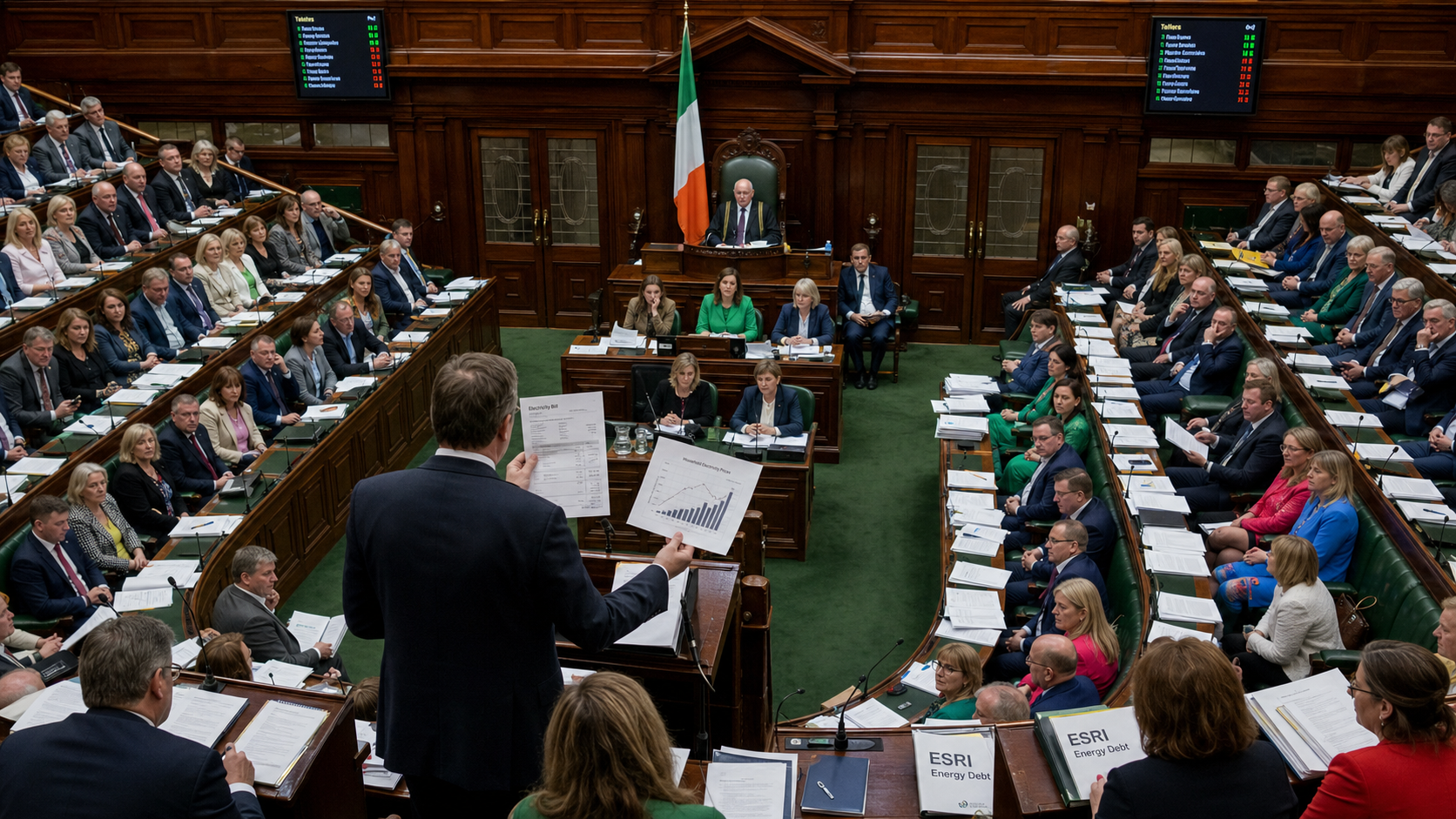
An opinion piece in The Liberal bluntly suggested it was "time to bin Micheál Martin" as Fianna Fáil leader and Taoiseach, reflecting the growing frustration within sections of the party. The challenges to his authority were also raised on the floor of the Dáil, where he was questioned by an independent TD about a separate matter concerning a Ukrainian national charged with multiple offences. The cumulative effect of these pressures has left Martin's position weakened, even if his immediate survival appears assured.
RTÉ analysis identified five practical reasons why the mooted move against Martin ultimately failed to materialise, including the absence of a credible challenger and the reluctance of senior ministers to destabilise the coalition at a time of economic uncertainty driven by the Iran-Israel conflict and rising energy prices.
Why It Matters
Leadership stability is crucial for the functioning of Ireland's coalition government. A prolonged internal Fianna Fáil crisis could destabilise the administration at a time when the country faces significant challenges, including the housing crisis, rising inflation, and migration pressures. The episode has also raised broader questions about the health of Irish democracy and the ability of the established parties to connect with a public that is increasingly frustrated with the pace of change on key issues. For Northern Ireland, political stability in Dublin matters enormously — the relationship between the two governments underpins the Good Friday Agreement framework and the ongoing work of the North-South Ministerial Council.
Local Impact
For Northern Ireland and the border communities that straddle both jurisdictions, political turbulence in Dublin carries real consequences. The North-South relationship depends on a functioning and confident Irish government, and any prolonged instability in Fianna Fáil's leadership would inevitably slow progress on cross-border initiatives in areas such as health, transport, and economic development. Belfast business leaders have noted that uncertainty in Dublin adds to the already complex political environment in which cross-border trade and investment decisions are made. The DUP and Sinn Féin will both be watching developments closely, with the latter in particular keen to maintain momentum on constitutional discussions that require a stable and engaged partner in Leinster House.
What's Next
Fianna Fáil's internal review of the presidential candidate selection process is expected to report in the coming weeks. Martin faces a crucial period in which he must reassert his authority and demonstrate that the party can move forward. The coalition's survival will depend on its ability to address the fuel cost crisis and reconnect with voters who feel left behind. Further analysis is available from RTÉ News and RTÉ's interview with Jim Gavin.