Taoiseach Calls for Clarity on Border Poll Trigger as Trump's United Ireland Remarks Reshape Constitutional Debate
Taoiseach Micheál Martin has called for greater clarity on the conditions under which a border poll on Irish unity would be triggered, arguing that the current arrangement — which leaves the decision as a "judgment call" for the UK Secretary of State for Northern Ireland — is "not satisfactory" and requires a more structured discussion between the British and Irish governments and Northern Ireland's political parties.
Background
The question of when and how a border poll might be called has been a recurring feature of Irish political discourse since the Brexit referendum of 2016, which saw Northern Ireland vote to remain in the European Union while the UK as a whole voted to leave. The Good Friday Agreement provides for a referendum on Irish unity if the Secretary of State for Northern Ireland judges that a majority of people in Northern Ireland would vote in favour — a threshold that is deliberately vague and that has been the subject of ongoing legal and political debate.
The Taoiseach's call for clarity comes in the context of a rapidly shifting political landscape. UK Prime Minister Andy Burnham's suggestion in late August that a border poll was "off the table" drew sharp criticism from nationalist parties and prompted a broader debate about the conditions under which the Secretary of State would exercise their discretion. Burnham subsequently clarified that his remarks pertained to his immediate agenda and that he remained committed to the Good Friday Agreement, but the episode highlighted the ambiguity at the heart of the current arrangements.
Donald Trump's remarks during his visit to Ireland — in which he expressed support for a united Ireland and described it as something he would "love to see" — have added a further dimension to the debate, energising nationalist and republican politics while provoking a furious response from unionist parties who accused the US President of interfering in the internal affairs of the United Kingdom.
Key Developments
Speaking ahead of a scheduled meeting with Prime Minister Burnham, the Taoiseach argued that the current reliance on the discretion of the UK Secretary of State is insufficient and that the circumstances under which a referendum would be triggered need to be "teased out" through structured dialogue. He acknowledged that the Good Friday Agreement left the conditions deliberately vague — a feature of the 1998 negotiations rather than an oversight — but argued that the political context of 2026 demands greater clarity.
Martin was careful to frame his position in terms of process rather than outcome, emphasising that he believes Irish unity would be the "best outcome" while cautioning against artificial timelines or being swayed by short-term political "soundbites." He stressed that any move toward a border poll involves "enormous, substantial complexity" and that the focus should remain on reconciliation, cross-border connectivity, and engaging with unionism to ensure that any potential future arrangement is sustainable.
The response from Northern Ireland's political parties was divided along predictable lines. DUP leader Gavin Robinson stated that support for Northern Ireland's place in the UK remains strong and that the decision regarding a border poll rests solely with the Secretary of State. Ulster Unionist leader Jon Burrows suggested the Taoiseach should "stay in his lane." The SDLP's Matthew O'Toole defended Martin's right to seek clarity, stating it was not inconsistent with the Good Friday Agreement.
Why It Matters
The border poll debate has moved from the margins to the mainstream of Irish political discourse in a way that would have seemed unlikely even five years ago. The combination of Brexit, demographic change in Northern Ireland, Trump's remarks, and the growing confidence of the nationalist and republican political project has created a moment in which the question of Irish unity is being discussed with a seriousness and urgency that it has not previously commanded.
The Taoiseach's call for clarity on the trigger mechanism is significant because it represents a shift from the traditional Fine Gael position of treating Irish unity as a long-term aspiration rather than an immediate political objective. By engaging directly with the question of how a border poll would be called, Martin is acknowledging that the question is no longer hypothetical — and that the Irish government needs to have a clear position on the process, not just the outcome.
For unionist parties, the Taoiseach's remarks — coming in the wake of Trump's comments and the Cardiff independence memorandum — will reinforce a sense that the constitutional status of Northern Ireland is under pressure from multiple directions simultaneously. That sense of pressure is likely to shape unionist politics in the run-up to the 2027 Assembly election.
Local Impact
In the Republic, the Taoiseach's remarks have been broadly welcomed by Fianna Fáil's coalition partners, with Fine Gael and the Green Party both indicating support for a structured discussion on the border poll trigger. In Northern Ireland, the reaction has been more complex, with nationalist communities in Derry, Newry, and west Belfast expressing enthusiasm for the direction of travel while unionist communities in east Belfast, north Antrim, and the Ards Peninsula have reacted with alarm.
The practical implications of the debate for cross-border relations — including the North-South Ministerial Council, the various cross-border implementation bodies, and the day-to-day cooperation between the two jurisdictions on issues from health to transport — remain to be seen. The Taoiseach has been at pains to emphasise that the border poll discussion should not be allowed to crowd out the practical work of improving lives on both sides of the border.
What's Next
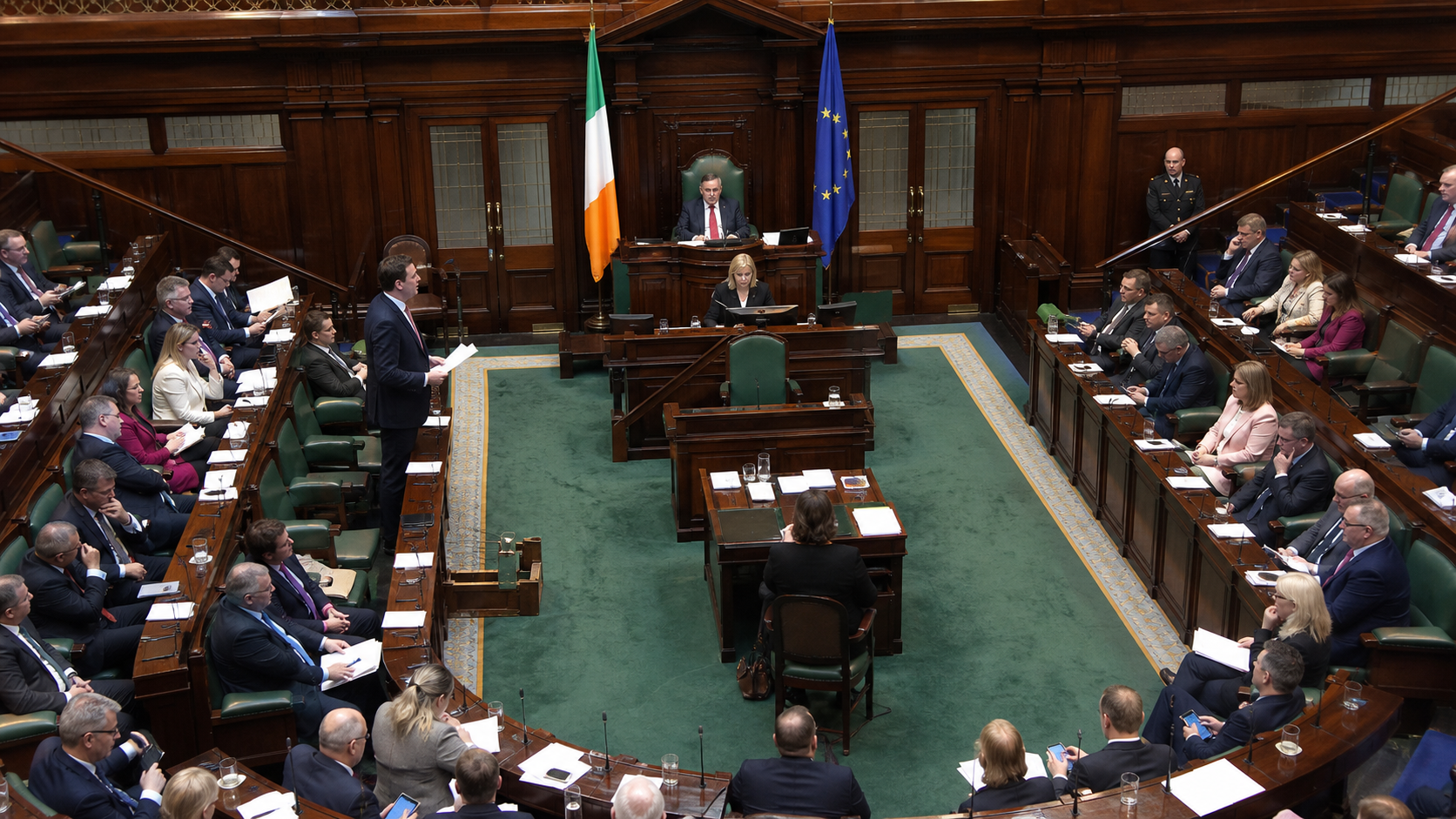
The Taoiseach is scheduled to meet Prime Minister Burnham in London later this month, with the border poll question expected to feature prominently in their discussions. The Irish government has also indicated that it will raise the issue at the next meeting of the British-Irish Intergovernmental Conference, which is scheduled for October. In the Dáil, the matter is expected to be debated when the House returns from recess, with Sinn Féin and the Social Democrats likely to push for a more concrete government commitment on the timeline for a referendum.