Stormont Condemns Dunmurry Car Bomb as Northern Ireland's Political Deadlock Continues
Leaders from across the political spectrum at Stormont have united in condemnation of a car bomb attack at a police station in Dunmurry, on the outskirts of Belfast, in what is being treated as an attempted murder. The attack, which caused no casualties, has been blamed on dissident republicans and serves as a grim reminder of the persistent threat they pose, even as Northern Ireland's political institutions remain paralysed by deadlock.Background
The threat from dissident republican groups, who reject the 1998 Good Friday Agreement and continue to pursue a united Ireland through violence, has been a dark undercurrent in Northern Ireland for over two decades. Groups styling themselves as the New IRA and Óglaigh na hÉireann have been responsible for a sporadic but deadly campaign of attacks against police officers, prison officers, and members of the military. Their methods often involve the use of improvised explosive devices (IEDs), under-car bombs, and shootings. High-profile attacks in recent years have included the murder of journalist Lyra McKee in Derry in 2019 and the attempted murder of senior police officer DCI John Caldwell in Omagh in 2023. These groups primarily recruit from small, disaffected communities where disillusionment with the peace process and high levels of social deprivation persist.
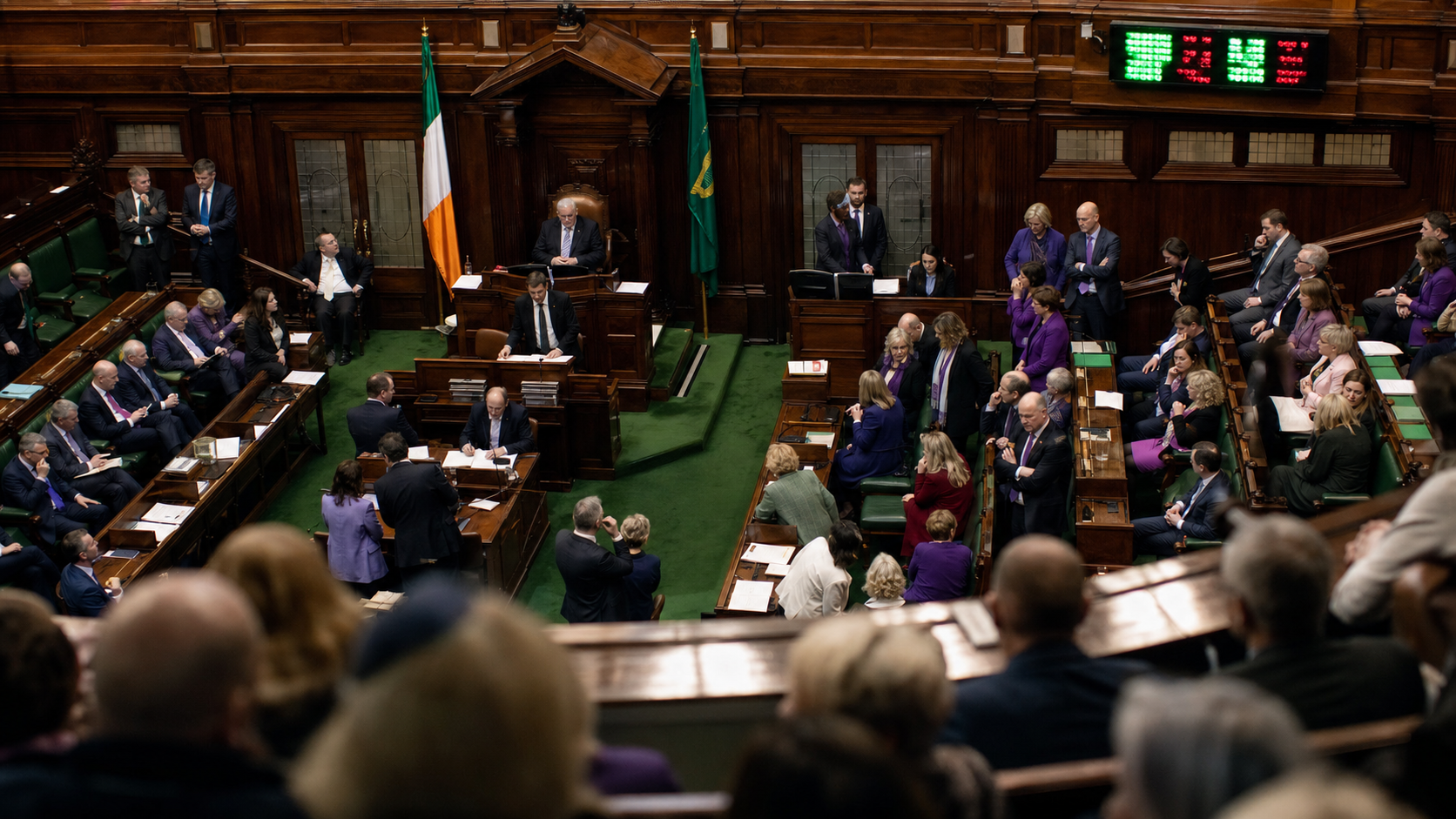
The political context for this latest attack is the ongoing suspension of the Northern Ireland Executive and Assembly at Stormont. The institutions have been dormant since early 2025, when the Democratic Unionist Party (DUP) withdrew its participation in protest against the post-Brexit trading arrangements known as the Northern Ireland Protocol. The DUP argues that the Protocol undermines Northern Ireland's place within the United Kingdom by creating a trade border in the Irish Sea. This political vacuum is seen by security services as a potentially destabilising factor, creating an environment in which violent extremist groups can seek to gain relevance and recruits.
The use of a proxy bomb tactic, forcing a civilian to deliver an explosive device, is a particularly sinister method reminiscent of the darkest days of the Troubles, when the Provisional IRA used similar techniques to devastating effect. Its reappearance is a deeply troubling development for the security services and the wider community.
Key Developments
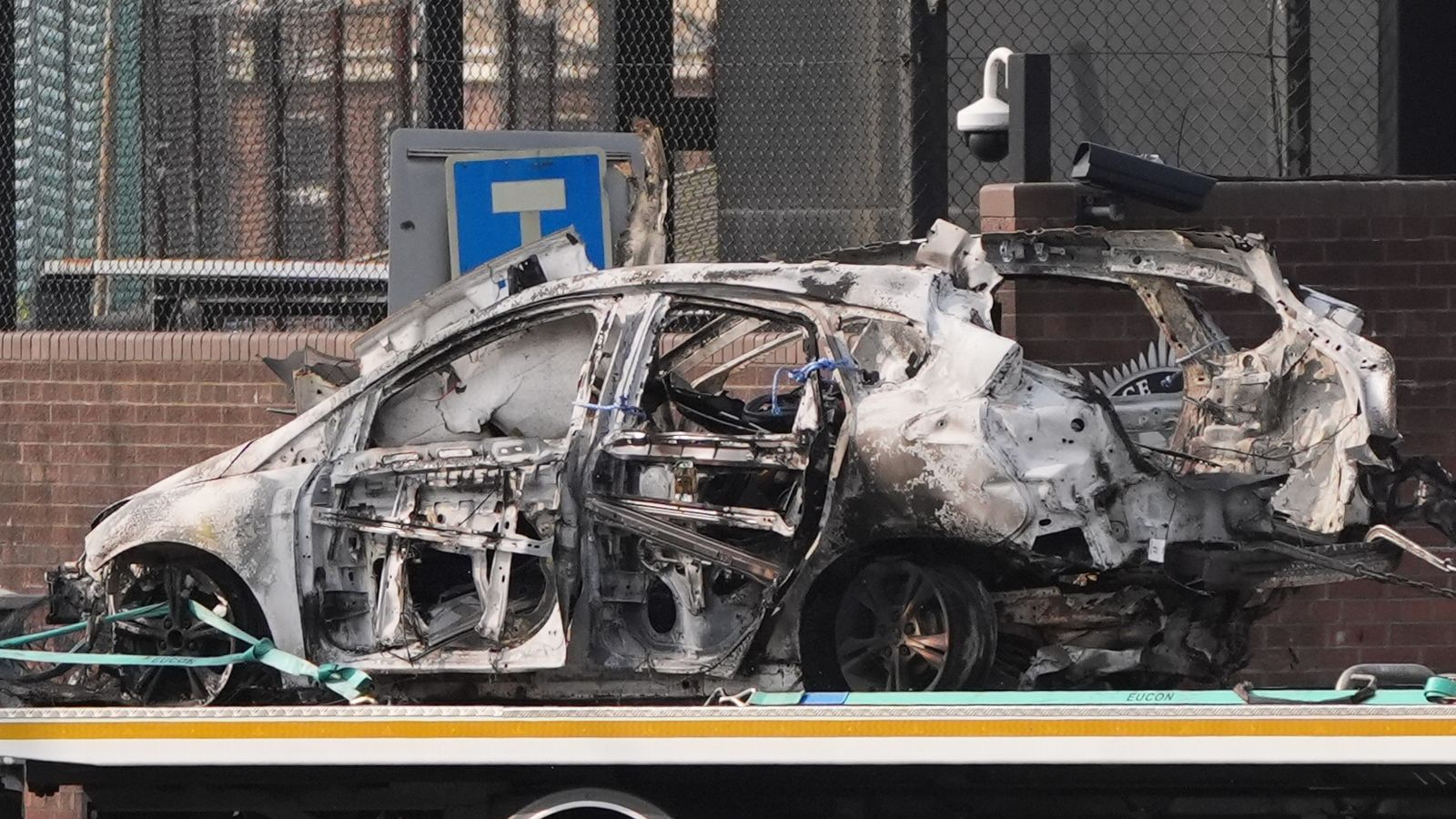
The attack occurred on the evening of 25 April, when a delivery driver was hijacked in the Twinbrook area of West Belfast by armed men. He was forced to drive his vehicle, now laden with a gas cylinder-based explosive device, to the gates of the Dunmurry PSNI station. The driver managed to escape and raise the alarm, and police were able to clear the area before the device partially detonated. There were no injuries, but the incident caused significant disruption and fear. The PSNI confirmed it is treating the attack as attempted murder and the investigation is focused on the New IRA. Subsequently, a 66-year-old man was arrested and, as reported by The Guardian, has since been charged with attempted murder and causing an explosion likely to endanger life.
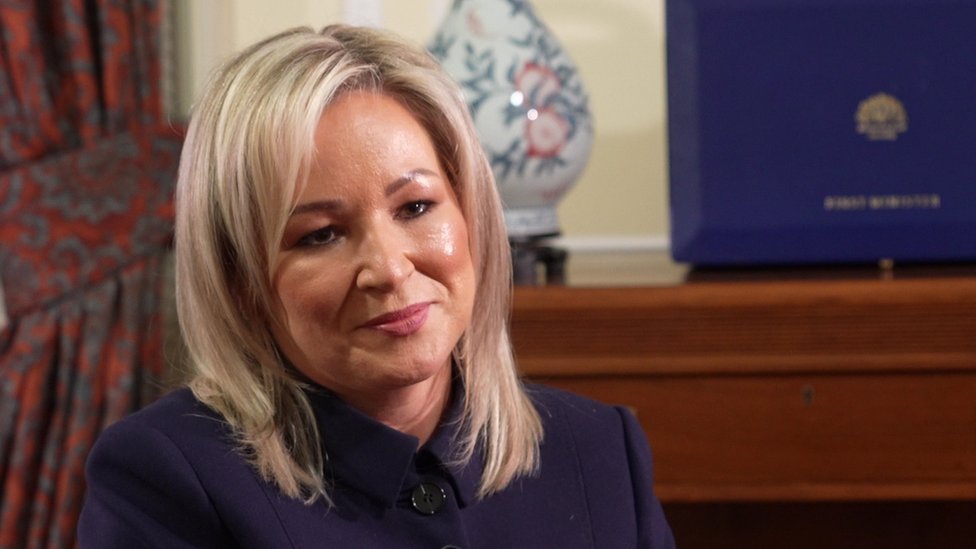
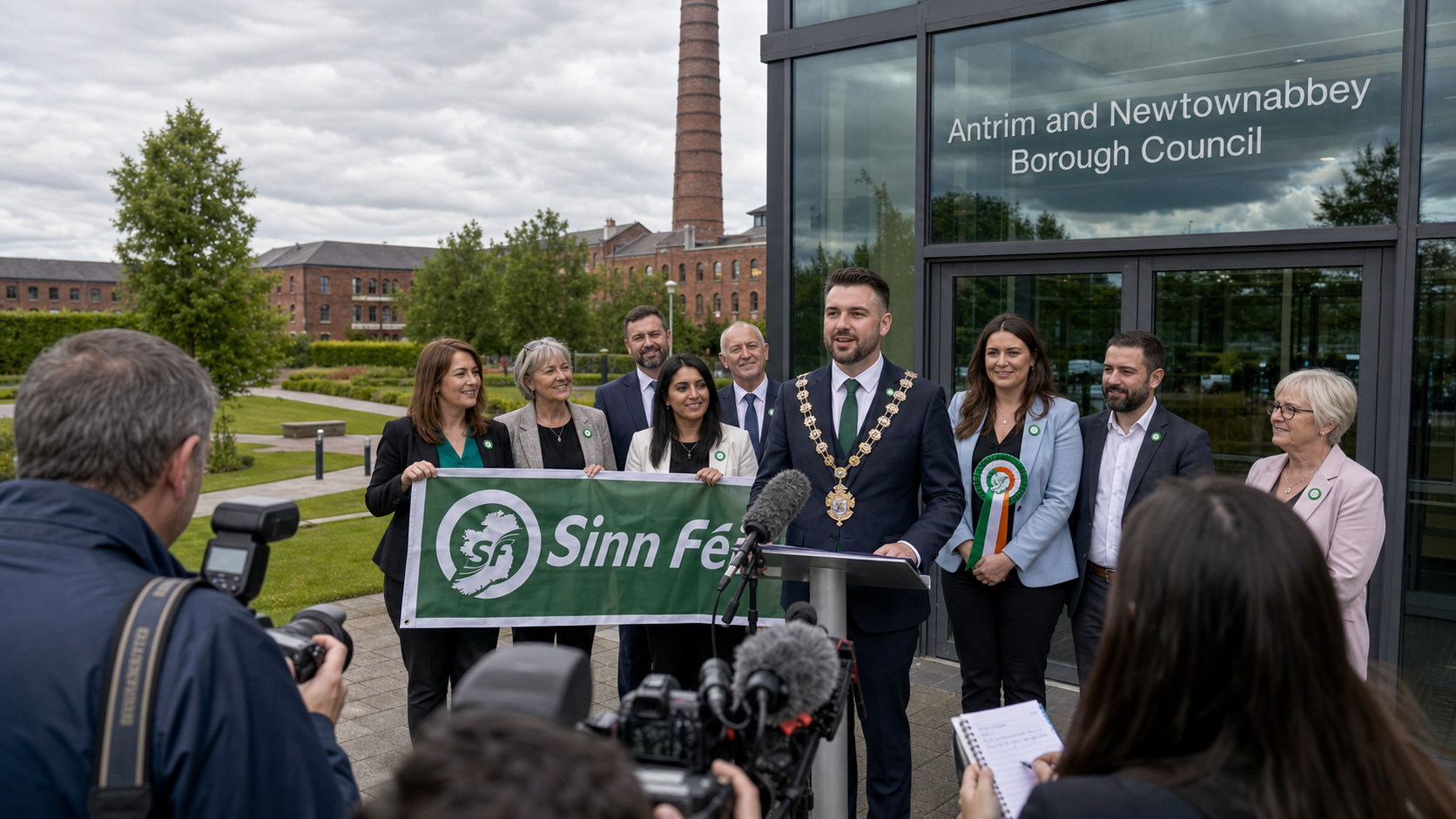
In a rare moment of unity, all the main party leaders at Stormont condemned the attack. Sinn Féin's Michelle O'Neill described it as "reckless and futile," while the DUP's leader called it a "despicable act of terrorism." Despite this shared condemnation, there is no sign of an imminent breakthrough in the political impasse. The broader political context, including the Labour government's stance in London, is frequently covered by outlets like The Irish Times. The Northern Ireland Executive has been suspended since early 2025, leaving civil servants to manage public services without political direction.
Why It Matters
The Dunmurry bomb, while failing in its murderous intent, is significant for several reasons. Firstly, it demonstrates the continued capability and intent of dissident republican groups to mount serious attacks against state targets. The use of a hijacked proxy vehicle is a tactic reminiscent of the darkest days of the Troubles and is designed to maximise fear and disruption. Secondly, it highlights the incredible bravery and vulnerability of police officers in Northern Ireland, who remain the primary target for these groups.
Most importantly, the attack throws the ongoing political paralysis at Stormont into sharp relief. While politicians can unite to condemn violence, their inability to unite to govern leaves a dangerous vacuum. Extremist groups thrive on instability and political failure. The absence of a functioning Executive means there is no local, democratic leadership to tackle the complex social and economic problems that can fuel paramilitarism. This is the third significant dissident republican attack in Northern Ireland in the past three years, suggesting the threat is not diminishing. The attack is a brutal reminder that peace is not merely the absence of violence, but the presence of a functioning, inclusive, and democratic society.
Local Impact
For the communities of Dunmurry and Twinbrook, the attack is a traumatic event that brings the threat of violence directly to their doorsteps. It revives painful memories of the conflict and creates a climate of fear and anxiety. The hijacking of a local delivery driver is a particularly cruel tactic, turning an ordinary working person into an unwilling instrument of a terrorist plot. The incident disrupts daily life, damages community confidence, and places immense strain on local police and community relations. For the vast majority of people in Northern Ireland who have embraced peace, this attack is a sickening and unwelcome intrusion from a tiny minority who refuse to accept the democratic will of the people.
What's Next
The PSNI investigation into the attack will continue, with forensic work on the device and vehicle being a key priority. Further arrests are possible as police seek to dismantle the network responsible. In the political sphere, the pressure on the DUP and the UK government to find a solution to the Protocol impasse will intensify. The Northern Ireland Secretary is expected to hold another round of talks with the party leaders in the coming week. The next key date is the statutory deadline for forming an Executive, after which the UK government may be legally obliged to call a new, and likely highly divisive, Assembly election.