Stormont Budget Deadlock Deepens as Education Minister Givan Warns UK Offer Falls Short
Northern Ireland's Education Minister Paul Givan has warned that a revised financial package from the UK government is likely to prove insufficient to resolve Stormont's worsening budget crisis, even as he expressed confidence that a new offer would be tabled before the UK's own budget on October 28. The assessment, delivered on Friday, underscores the depth of the financial impasse facing the Executive and the scale of the challenge confronting public services across the six counties.
Background
The Stormont Executive has been locked in a protracted dispute with the Treasury over the adequacy of Northern Ireland's block grant for the current financial year. The crisis has its roots in a combination of factors: the legacy of years of underfunding relative to need, the particular cost pressures facing Northern Ireland's public services, and the structural challenges of an Executive that has repeatedly struggled to agree a functioning budget among its coalition partners.
Northern Ireland Secretary Sir Chris Bryant visited Stormont on September 7, 2026, and tabled an initial offer of £350 million per year over three years. Executive parties rejected the proposal, arguing that it failed to address the immediate shortfall for the current financial year and did not come close to meeting the structural funding gap that has accumulated over successive budget cycles. The rejection set the stage for further negotiations, with the Treasury under pressure to improve its offer before the UK budget in late October.
The education sector has been among the most vocal about the consequences of the funding crisis. Givan has consistently argued that his department faces unique pressures — 82% of its budget is consumed by staff pay, leaving almost no flexibility to absorb cuts without directly affecting schools. School leaders across Northern Ireland have warned of shorter school days, reduced subject choices, and cuts to transport, youth work, and SureStart programmes if the budget situation is not resolved.
Key Developments
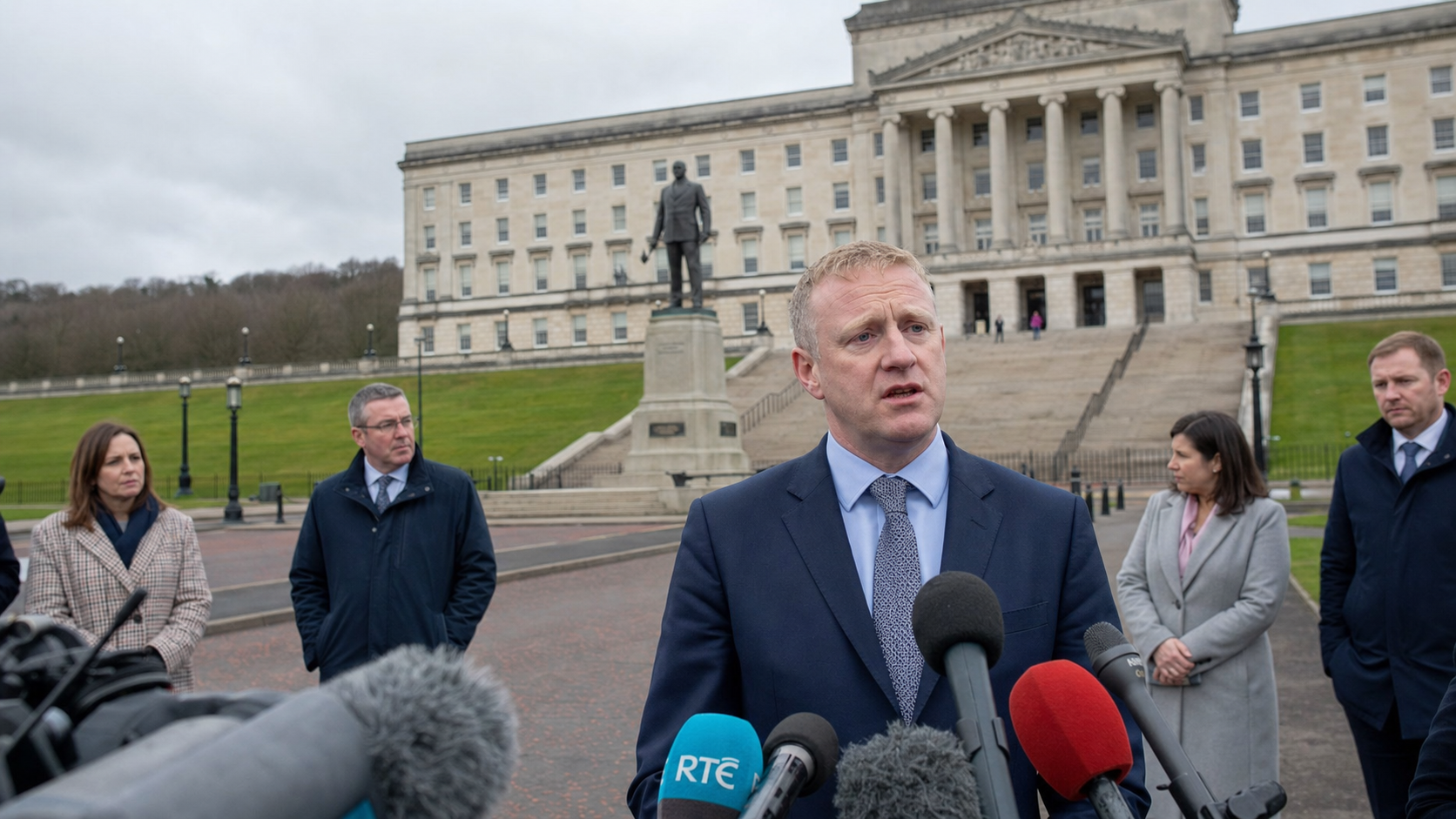
Speaking on Friday, Givan said he was "confident" that the UK government would return with a revised offer, but cautioned that the expected package would likely remain insufficient to stabilise the Executive's finances. His comments reflect a broader frustration within the Executive that the Treasury's approach has consistently underestimated the scale of Northern Ireland's funding needs. The DUP minister stopped short of specifying what level of funding would be acceptable, but made clear that the current trajectory of negotiations was not heading toward a resolution that would protect frontline services.
The budget deadlock has also reignited a wider debate about the process by which departmental budgets are allocated within Stormont. Givan has argued that the current system — which applies incremental increases to previous years' spending — is fundamentally flawed for departments like education, where fixed costs such as teacher salaries consume the overwhelming majority of available resources. He has called for a new approach that prioritises "contractual inescapable pressures" before any discretionary spending decisions are made.
Finance Minister John O'Dowd's draft multi-year budget, which Givan described earlier in the year as having "devastating consequences" for schools, remains the working framework for departmental planning. The prospect of that framework being implemented without a significant improvement in the block grant has prompted warnings from trade unions and school governors about the viability of the current school system.
Why It Matters
The Stormont budget crisis is not simply a political dispute between Stormont and Westminster — it has direct, tangible consequences for the daily lives of people across Northern Ireland. Schools are already operating under severe financial strain, with some principals reporting that they are unable to replace staff who leave or to maintain basic facilities. The health service faces its own funding gap of £800 million, and the prospect of simultaneous cuts across education and health represents a significant deterioration in public services that would take years to reverse.
The timing of the crisis is also significant. With the UK budget scheduled for October 28, the window for a resolution before the current financial year's planning cycle is effectively closed is narrowing rapidly. If no agreement is reached before then, the Executive will face the prospect of implementing cuts that have already been described by school leaders and health unions as unacceptable. The political consequences of such an outcome — for the Executive's stability and for the parties within it — are difficult to overstate.
Local Impact
The practical impact of the budget deadlock is already being felt in schools across Northern Ireland. In Belfast, principals at schools in areas including North Belfast and West Belfast have reported difficulties in maintaining staffing levels and extracurricular provision. In rural areas such as Fermanagh and Tyrone, where school transport is a lifeline for pupils in dispersed communities, cuts to transport budgets would have an immediate and severe effect. SureStart centres, which provide early years support in some of the most deprived communities in the region, have been identified as particularly vulnerable to the cuts being contemplated under the current budget framework.
What's Next
The UK government is expected to table a revised financial offer to the Executive in the coming days, ahead of the October 28 budget. Executive parties will then assess whether the improved offer is sufficient to form the basis of a budget agreement. If no deal is reached before the UK budget, the Executive will face difficult decisions about how to allocate resources across departments for the remainder of the financial year. Givan has indicated he will continue to press the case for education funding at every available opportunity, including in direct engagement with Treasury ministers.