Glens of Antrim Potatoes Folds After 54 Years, Leaving Workers and Growers in Crisis
Glens of Antrim Potatoes Ltd, one of Northern Ireland's most recognisable agri-food brands, has entered administration and ceased trading immediately, leaving 95 workers redundant and a network of potato growers across County Antrim facing the prospect of harvested or unharvested crops with no buyer — a collapse that has been described as a substantial blow to the agricultural sector in Northern Ireland.
Background
Founded in 1972, Glens of Antrim Potatoes grew from a small regional operation into one of Northern Ireland's most significant potato growers, packers, and crisp producers. Based across sites in Cushendall and Ballymena, the company supplied major retailers including Tesco, Sainsbury's, and ASDA, and was a familiar name in supermarket aisles across the UK and Ireland. Its products — including a range of premium potato varieties and crisps — were associated with the distinctive landscape of the Antrim Glens, and the company was regarded as an important employer and economic anchor in a rural area with limited alternative employment opportunities.
The agri-food sector in Northern Ireland has faced severe headwinds in recent years. Rising costs for fuel, energy, machinery, and labour have squeezed margins across the supply chain, and potato growing in particular has been affected by volatile weather patterns that have disrupted yields and increased the cost of production. The Iran war's impact on global energy markets has pushed diesel and heating oil prices to record levels, adding further pressure to businesses that depend on fuel-intensive operations.
Despite these challenges, Glens of Antrim Potatoes appeared to be making progress as recently as June 2026, when the company secured a major new contract with Tesco for its "Perfect for" potato range — an initiative that had involved a £180,000 investment in research, development, and new packaging technology. The contract win was seen as a vote of confidence in the company's future, making the subsequent collapse all the more shocking for those who worked there and the growers who supplied it.
Key Developments
Joint administrators from the international financial advisory firm Interpath — Stuart Irwin, Ian Leonard, and Robin Coughlin — were appointed on 21 September 2026. The company ceased trading immediately upon their appointment, with the vast majority of the 95-strong workforce made redundant on the same day. A small skeleton staff has been retained to assist the administrators during the transition period.
Interpath has stated that the collapse was driven by "significant and detrimental" pressure on the company's cash flow, caused by rising input costs across the agri-food supply chain. Directors had attempted to find a solvent path forward through refinancing and investment, but those efforts were ultimately unsuccessful. The administrators are now seeking expressions of interest for the business and its assets, leaving open the possibility that parts of the operation may be purchased by other parties.
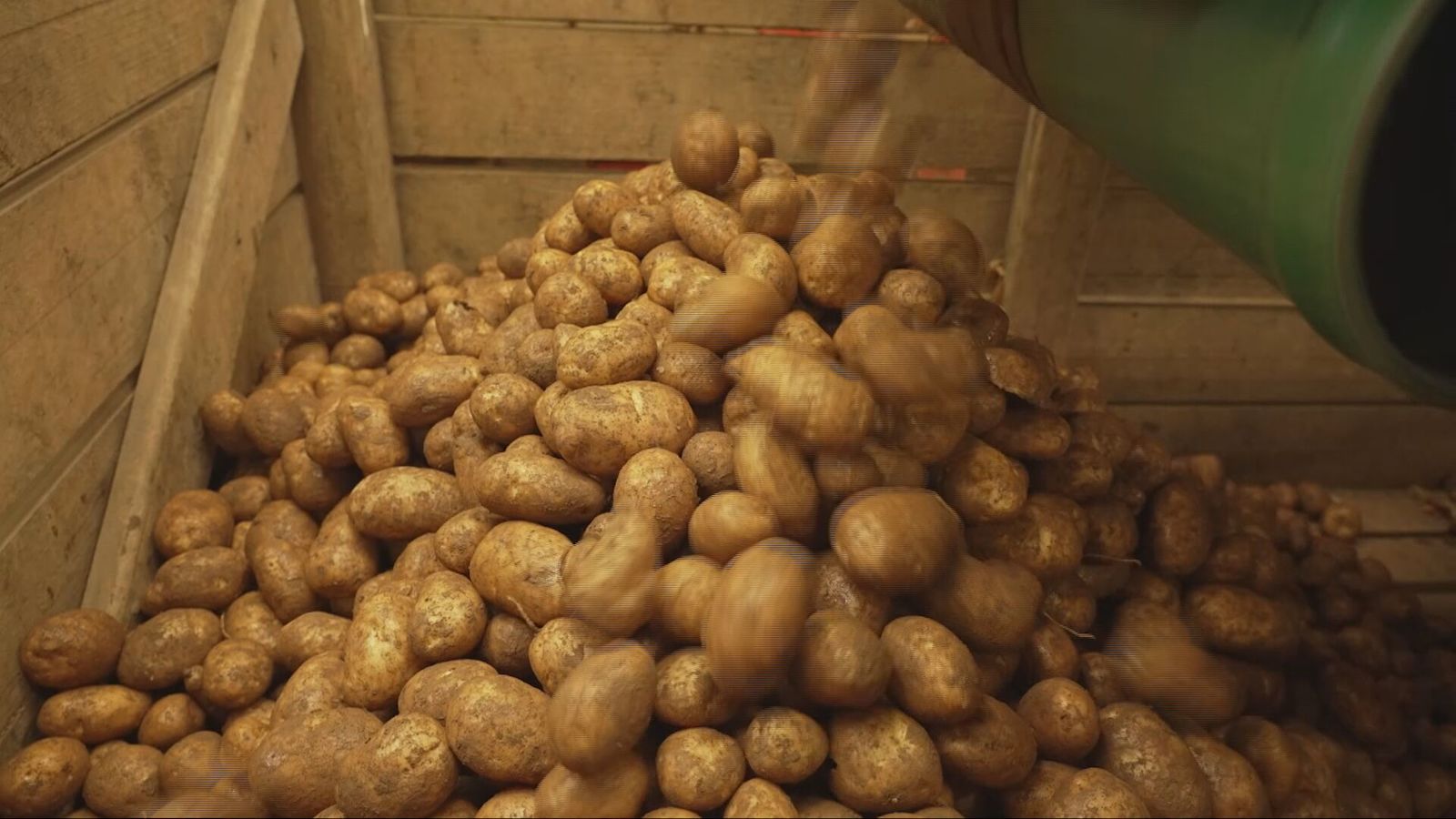
Local MP Jim Allister highlighted the precarious position of the company's network of growers, noting that many were left with harvested or unharvested potatoes and no buyer. For farmers who had planted crops specifically to supply Glens of Antrim Potatoes, the collapse creates an immediate financial crisis — the cost of growing the crop has already been incurred, but the revenue that was expected to cover it has evaporated.
Why It Matters
The collapse of Glens of Antrim Potatoes is a significant event for Northern Ireland's agri-food sector, which employs tens of thousands of people and is one of the region's most important industries. The company's failure illustrates the fragility of food supply chains when input costs rise sharply and margins are already thin. It also raises questions about the adequacy of support available to agri-food businesses facing financial distress — support that, in the Republic of Ireland, has historically been more generous than in Northern Ireland, where the sector falls under UK rather than EU agricultural policy frameworks.
The timing of the collapse — coming just months after a significant new retail contract was secured — suggests that the company's financial difficulties were more acute than they appeared from the outside. This is a pattern that has been seen in other agri-food collapses: businesses that appear to be trading successfully can be carrying unsustainable debt loads or facing cash flow crises that are not visible to suppliers, customers, or employees until the moment of failure.
Local Impact
The impact of the collapse is felt most acutely in Cushendall and Ballymena, where the company's processing facilities were located. In Cushendall, a small coastal town in the Glens of Antrim, the loss of a major employer is a serious blow to a community that has limited economic alternatives. In Ballymena, where the company had a significant presence, the redundancies add to a difficult period for the local economy. The network of potato growers who supplied the company — spread across County Antrim and beyond — face an immediate challenge in finding alternative buyers for their crops, and some may face significant financial losses as a result.
What's Next
Interpath has committed to providing support to the affected employees through its specialist employment team, helping them navigate the redundancy process and access the statutory payments they are entitled to. The administrators are actively seeking expressions of interest for the business and its assets, and it is possible that a buyer could be found for some or all of the operation. However, the immediate priority for the 95 workers who have lost their jobs is securing their redundancy payments and finding new employment. The Department of Agriculture, Environment and Rural Affairs has been made aware of the situation and is expected to engage with affected growers in the coming days.