Storm Dave Leaves 18,000 Without Power Across Ireland as Easter Weekend Disrupted
Storm Dave left approximately 18,000 homes, farms, and businesses without power across Ireland over the Easter weekend, causing widespread travel disruption including 23 flight cancellations and 17 diversions at Dublin Airport and the suspension of ferry sailings between Belfast and Scotland. ESB Networks crews worked through the holiday to restore power, with most customers reconnected by Sunday evening, but the storm cast a shadow over one of the busiest travel weekends of the year.
Background
Storm Dave, the fifth named storm of the 2025-26 season, was officially named by the UK Met Office and tracked by Met Éireann as it approached Ireland from the Atlantic. The forecasting agency issued a Status Yellow wind warning for the entire Republic of Ireland, effective from Good Friday through the early hours of Easter Sunday, with a more severe Status Orange warning briefly issued for County Wexford. The UK Met Office issued similar warnings for Northern Ireland. The storm's approach was well-signalled, but its timing — arriving at the peak of the Easter holiday travel period — maximised its disruptive impact.
The meteorological profile of Storm Dave was dominated by very strong and gusty southerly winds, which veered westerly as the system progressed. Gusts were widely recorded at up to 100 km/h, with some areas experiencing speeds of 110 km/h — equivalent to approximately 70 mph. The storm also brought heavy rain, with sleet and hail recorded on higher ground. Crucially, the high winds coincided with Spring Tides, creating a significant risk of coastal flooding along Atlantic coastal counties. Authorities warned of wave overtopping and hazardous conditions, and a small craft warning remained in place for all Irish coasts through Easter Monday.
Ireland's western and coastal counties — Kerry, Clare, Galway, Cork, and Mayo — bore the brunt of the storm's impact, as is typical for Atlantic weather systems tracking across the island. These areas are also among the most vulnerable to power outages, given the length and exposure of their electricity distribution networks.
Key Developments
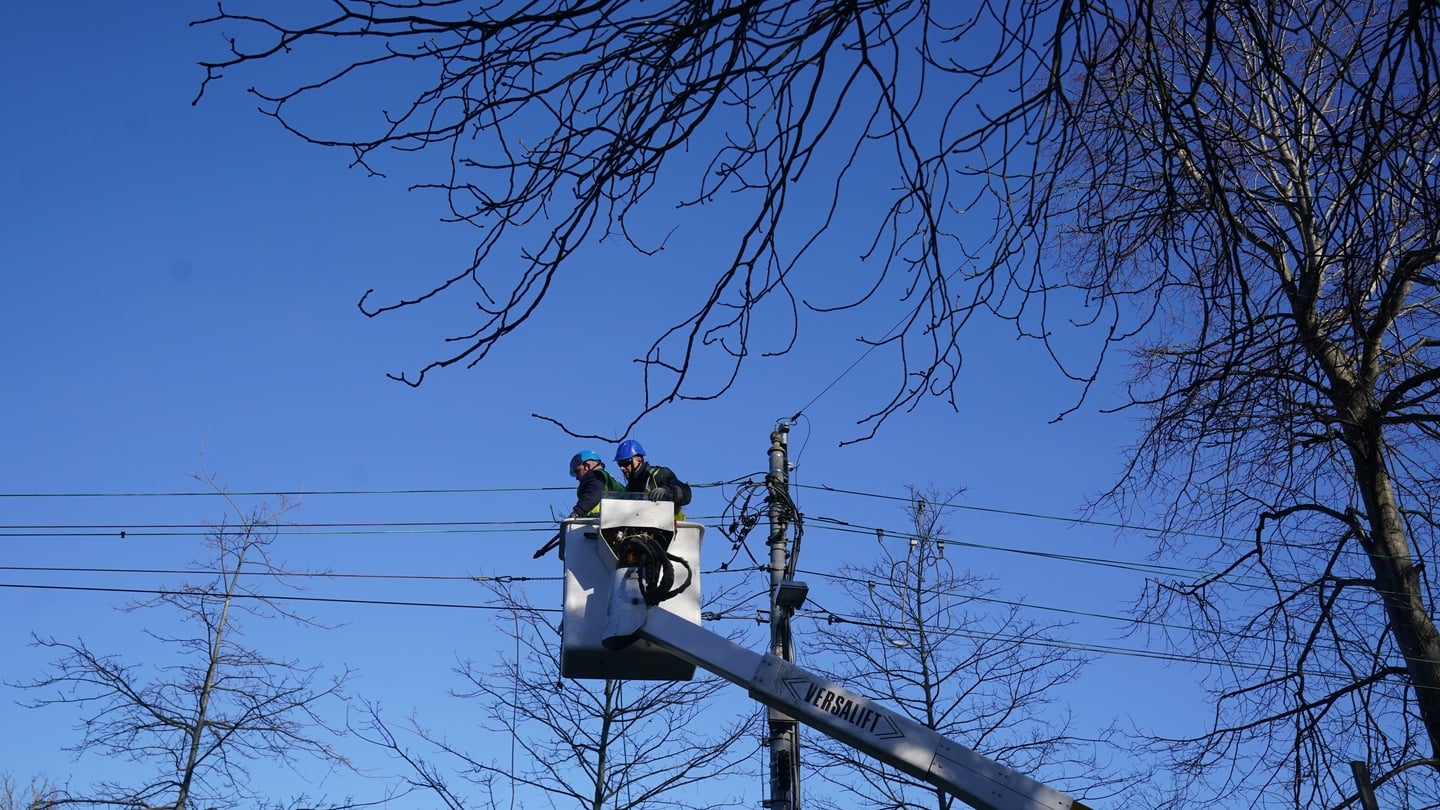
At the peak of the storm on Easter Saturday, approximately 18,000 properties were without power. ESB Networks mobilised crews across the country and worked through the holiday weekend to restore supply. By Sunday afternoon, the number of properties without power had been reduced to approximately 1,000, with most remaining faults resolved by Sunday evening. The utility issued public safety warnings throughout, urging citizens to stay clear of fallen power lines.
Dublin Airport was severely affected by the high crosswinds. Over the course of the weekend, the airport recorded 23 flight cancellations, 17 diversions, and 61 go-arounds — aborted landings caused by the dangerous wind conditions. Cork Airport experienced 5 cancellations and 4 diversions, while Shannon Airport accepted 9 diverted aircraft. The disruption affected thousands of passengers, with residual delays continuing into Easter Monday.
Ferry services on the Irish Sea were heavily impacted. Stena Line and P&O Ferries cancelled multiple sailings on the Belfast-Cairnryan and Larne-Cairnryan routes connecting Northern Ireland to Scotland, as well as services on the Dublin-Holyhead and Rosslare-Pembroke routes. Road conditions were also hazardous, with the Road Safety Authority advising motorists to exercise extreme caution. A landslide in Bráid, County Donegal, temporarily blocked the R230 road, and Iarnród Éireann imposed speed restrictions on coastal rail lines, causing journey delays. No major injuries were reported in connection with the storm.
Why It Matters
Storm Dave is a reminder of Ireland's persistent vulnerability to Atlantic weather systems and the disproportionate impact that severe storms have on the island's infrastructure and economy. The Easter weekend is one of the most economically significant holiday periods of the year, with tourism, hospitality, and transport sectors all heavily dependent on favourable conditions. The disruption to Dublin Airport alone — affecting tens of thousands of passengers — will have had a significant economic impact on airlines, hotels, and the wider tourism industry.
The storm also highlights the ongoing challenge of maintaining electricity supply in rural and coastal areas during severe weather events. While ESB Networks' response was swift and effective, the vulnerability of distribution networks in exposed areas remains a structural issue that will require sustained investment to address. Climate scientists have warned that the frequency and intensity of Atlantic storms affecting Ireland is likely to increase as global temperatures rise, making resilience planning an urgent priority.
Local Impact
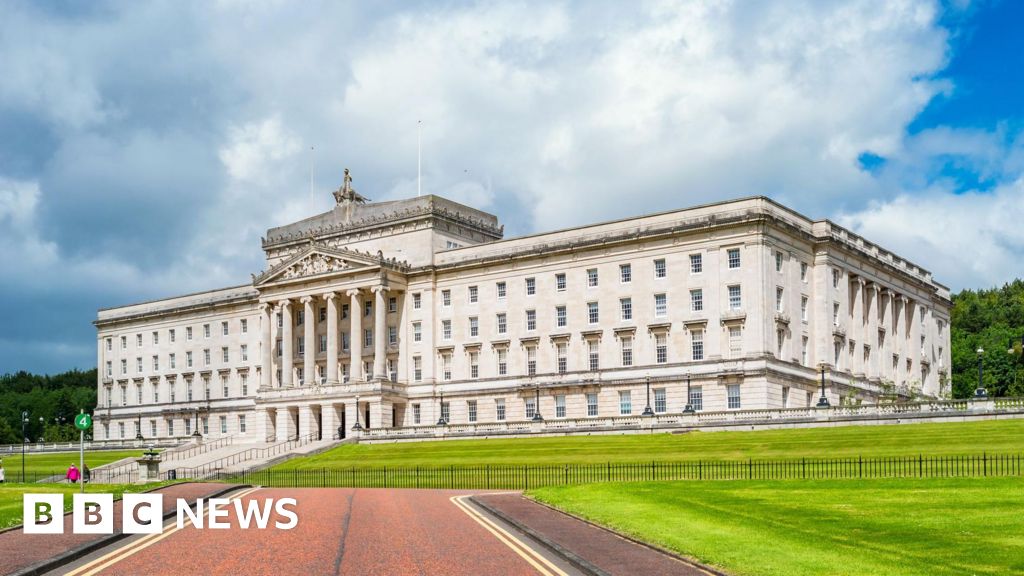
Northern Ireland was directly affected by Storm Dave, with the Guardian reporting thousands of homes in the North left without power alongside those in Wales and Scotland. The cancellation of ferry services between Belfast and Cairnryan — a critical link for both passengers and freight — caused significant disruption to cross-channel travel and supply chains. The timing of the disruption, during the Easter holiday when cross-border and cross-channel travel is at its peak, amplified the impact on families and businesses on both sides of the Irish Sea. Translink reported disruption to bus services in exposed coastal areas, and the PSNI advised motorists to take extra care on exposed roads.
What's Next
ESB Networks has confirmed that all properties affected by Storm Dave have now been reconnected, and ferry and air services have returned to normal schedules. Met Éireann has indicated that the remainder of April is expected to be more settled, offering some relief after a disrupted Easter. However, the storm serves as a timely reminder for households and businesses to review their emergency preparedness plans ahead of the next Atlantic storm season. The Road Safety Authority has also used the event to renew its call for motorists to check weather warnings before travelling during periods of severe weather.
Full coverage of Storm Dave's impact is available at The Irish Times and RTÉ News. Northern Ireland's experience of the storm is covered by BBC News NI.