Stephen McCullagh Convicted of Natalie McNally Murder — 'A Monster Hiding in Plain Sight'
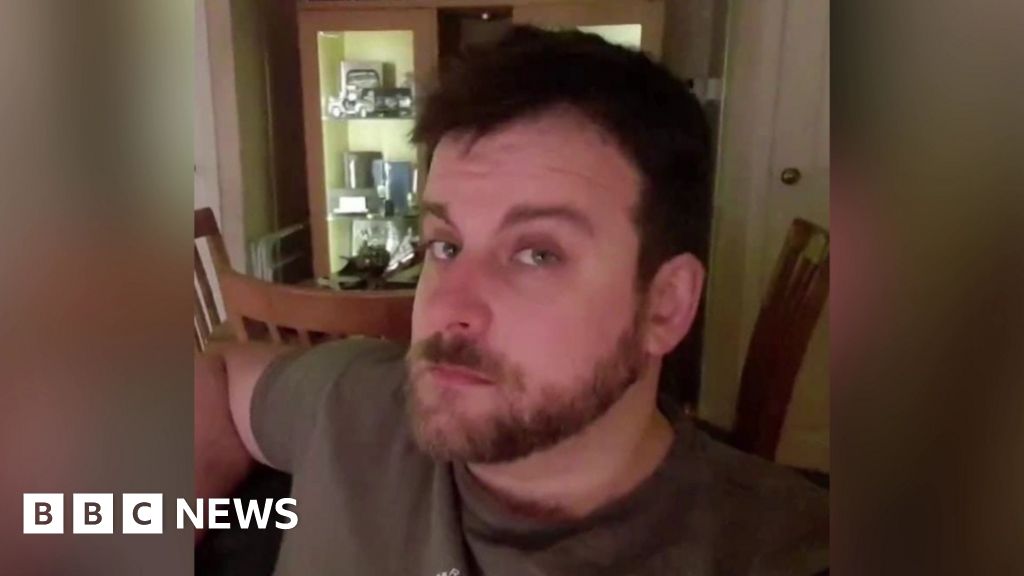
Stephen McCullagh has been convicted of the murder of Natalie McNally — who was 15 weeks pregnant at the time of her death in Lurgan in December 2022 — after a four-week trial at Belfast Crown Court that exposed a web of calculated deception, including a faked YouTube "live stream" alibi and an attempt to pose as a journalist to probe the police investigation.
The unanimous jury verdict, delivered on 23 March 2026, brought a measure of justice for the McNally family after more than three years of grief and a prolonged legal process. Natalie's brother Declan paid a moving tribute outside the courthouse, calling her an "inspirational person" who "would have been an amazing mother" to their unborn son, whom the family had named Dean. McCullagh, 36, showed no emotion as the verdict was delivered and was handed a mandatory life sentence by Mr Justice Patrick Kinney.
Background
Natalie McNally, 32, and Stephen McCullagh met on the dating app Bumble in August 2022 and began a relationship. By November of that year, Natalie was pregnant with McCullagh's child. On the evening of 18 December 2022, she was brutally murdered in her home in Silverwood Green, Lurgan. A post-mortem examination revealed she had been subjected to a "prolonged assault," with injuries including multiple stab wounds, severe beating, facial fractures, broken bones in her neck, and injuries consistent with strangulation. There were no signs of forced entry, suggesting she knew her attacker.
McCullagh, a YouTuber with a modest following, had pre-recorded a six-hour video game stream — titled "The Violent Night Christmas Live Gaming Stream" — and broadcast it on the night of the murder to feign his presence at home. While the video played, he travelled to Natalie's home, committed the murder, and returned. He made a 999 call the following evening, claiming to have discovered her body, and was instructed by the operator to perform CPR, feigning a distraught discovery of the crime he had committed hours earlier.
The PSNI's cyber-forensics unit dismantled the alibi. Analysis of the OBS Studio software used for the broadcast showed the video had been pre-recorded on 14 December and saved in the early hours of 15 December. There was no user interaction with the computer between 6:00 p.m. on 18 December and 12:05 a.m. on 19 December, and the pre-recorded files were manually deleted shortly after midnight once the broadcast had concluded.
Key Developments
With the digital alibi shattered, investigators built a comprehensive case. Extensive CCTV footage tracked a man, disguised in a heavy coat and hat, using public transport from Lisburn to Lurgan, entering Natalie's residential area at 8:52 p.m. and leaving around 9:30 p.m. A taxi driver later identified McCullagh as his passenger on the return journey. McCullagh's mobile phone showed no activity between 6:00 p.m. and 11:16 p.m. on the night of the murder, and internet searches showed he had researched bus and train timetables from Lisburn to Lurgan on the day of the killing.
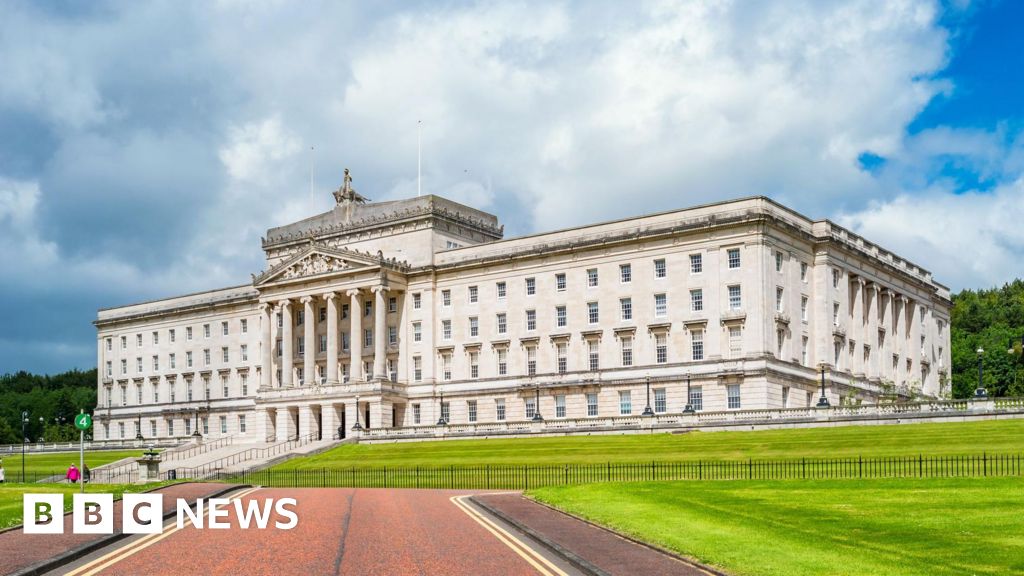
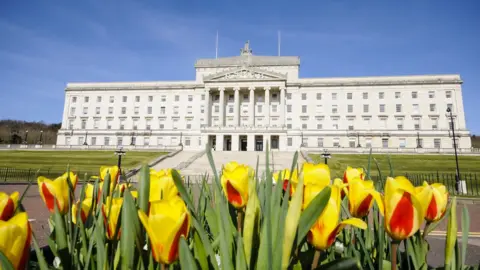
McCullagh's post-murder conduct was equally calculated. He attended Natalie's wake and a public vigil, presenting himself as a devastated partner, and showed the McNally family an engagement ring he claimed to have bought for her. He secretly recorded 40 minutes of a private conversation at their home, which police believe was an attempt to gauge if they suspected his involvement. Approximately one month after the murder, he used his position as a part-time assistant audience editor at the Belfast Telegraph to pose as a journalist and contacted SDLP MLA Mark H Durkan, who sat on the Northern Ireland Policing Board, to probe for information about the investigation.
The prosecution also presented evidence from a former girlfriend of McCullagh, who testified he had been physically abusive towards her, including an assault after finding messages from another man on her phone — drawing a direct parallel to the motive for killing Natalie. McCullagh did not give evidence in his own defence. After deliberating for just over two hours, the jury of six men and six women returned a unanimous guilty verdict. A tariff hearing was scheduled for 15 May 2026 to determine the minimum number of years McCullagh must serve before being eligible for parole.
Why It Matters
The McNally case has become a focal point in the ongoing conversation about violence against women in Ireland and Northern Ireland. Declan McNally's statement outside the courthouse was a powerful call to action: "Violence against women and girls is the shame of our society. I would call on our government to get their act together and do something to address this. We hope that all victims and their families get justice." The case also demonstrated the growing importance of digital forensics in modern murder investigations — McCullagh's elaborate technological alibi, designed to be his salvation, became the cornerstone of the case against him.
Local Impact
For communities across Northern Ireland, the murder of Natalie McNally — a young woman from Lurgan, pregnant with her first child — struck with particular force. Vigils were held across the North in her memory in the days after her death, and the case has remained a touchstone in debates about domestic and gender-based violence in the region. The conviction has renewed calls on the Northern Ireland Executive to accelerate work on legislation and support services aimed at preventing intimate partner violence, and to ensure that the lessons of this case — about the dangers of coercive control and the importance of early intervention — are embedded in policy and practice.
What's Next
The tariff hearing on 15 May 2026 will determine the minimum term McCullagh must serve. Campaigners are calling on both the Northern Ireland Executive and the Irish government to accelerate work on gender-based violence legislation and support services. The McNally family have indicated they intend to continue speaking publicly about Natalie's life and legacy. Full coverage of the trial and verdict is available at BBC News and The Guardian.