Starmer Launches Labour Local Election Campaign with 'Year of Proof' Pledge
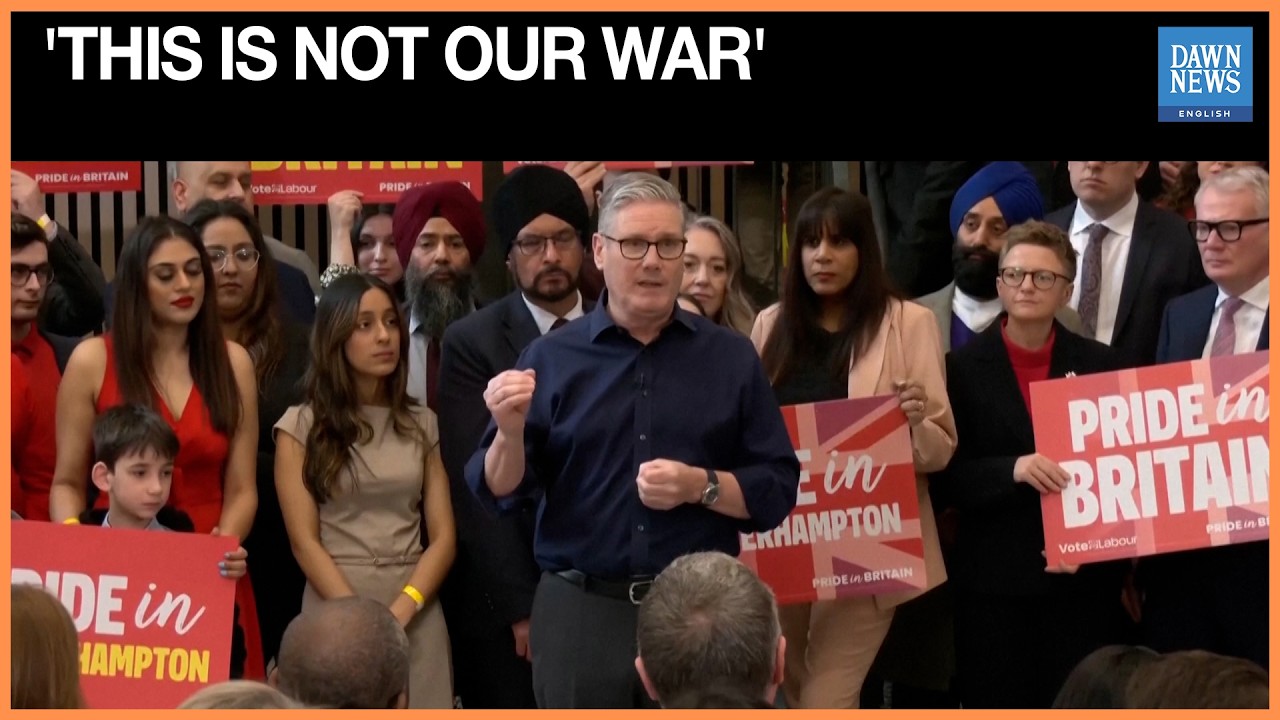
Prime Minister Keir Starmer today launched the Labour Party’s local election campaign with a new slogan, “Pride in Britain”, and a pledge to make 2026 a “year of proof” that his government is delivering for working families. Speaking in Greater Manchester, a key electoral battleground, Starmer promised tangible relief on household bills and a renewed focus on public services, seeking to build momentum ahead of what are expected to be a challenging set of local elections for his party.
Background
Since taking office in July 2024, the Labour government has faced a series of economic and political headwinds, including the ongoing war between Israel and Iran and persistent cost of living pressures. With local elections looming, the party is keen to demonstrate that its policies are starting to make a tangible difference to people's lives. The choice of Greater Manchester for the campaign launch is significant, as Labour is facing a stiff challenge from the newly resurgent Reform UK party in many of its traditional northern heartlands. The slogan “Pride in Britain” is a clear attempt to reclaim a patriotic narrative and counter accusations that the party is out of touch with the values of working-class voters.
Key Developments
At the heart of Starmer’s pitch to voters is a promise of direct financial relief. He announced that average household energy bills are projected to fall by around £100 this year, a welcome development for families struggling with high energy costs. In a move that will be cheered by anti-poverty campaigners, Starmer also confirmed that the controversial two-child benefit cap, a policy inherited from the previous Conservative government, will be abolished. Furthermore, he highlighted the upcoming 50p increase in the national minimum wage, which will see it rise to £12.71 per hour. These measures, Starmer argued, are concrete evidence that Labour is on the side of working people. However, the Prime Minister also acknowledged the scale of the challenge his party faces, with internal polling suggesting that Labour is bracing for losses in Wales, where it is trailing both Plaid Cymru and Reform, as well as in the north-east of England and Greater Manchester. Backbench MPs have reported “real levels of hostility” from constituents on the doorstep, a sign that the government’s message is not yet cutting through in all areas. In an effort to shore up support within his own party, Starmer is hosting a series of meetings with MPs at Chequers, his official country residence. For more details on the campaign launch, see the report from The Guardian.
Why It Matters
These local elections are the first major electoral test for Starmer’s government and will be seen as a referendum on his first two years in power. A poor showing could embolden his critics both within and outside the party and make it more difficult for him to push through his legislative agenda. The results will also be closely watched for signs of a broader political realignment, with the performance of Reform UK, in particular, being a key focus of attention. The party’s anti-immigration and anti-net zero platform has found a receptive audience in some parts of the country, and a strong showing in these elections could establish it as a major force in British politics. For Starmer, a successful set of results would provide a much-needed boost and a mandate to continue with his programme of reform. As the BBC reports, the outcome of these elections could have a significant impact on the political landscape for years to come.
Local Impact
The impact of these elections will be felt most keenly at a local level, with the control of councils and the delivery of local services hanging in the balance. In areas where Labour is facing a strong challenge, such as Greater Manchester, the results could lead to a change in the political leadership of the council and a shift in priorities. For residents, this could mean changes to everything from bin collections and road repairs to the provision of social care and education. The abolition of the two-child benefit cap will have a direct and positive impact on low-income families in all parts of the country, while the increase in the minimum wage will provide a welcome boost to the incomes of the lowest-paid workers.
What's Next
With the local elections just a few weeks away, all parties will be stepping up their campaigning efforts. Starmer and his senior ministers will be touring the country, seeking to sell their message to voters and win back their trust. The coming weeks will be a crucial test of the government’s ability to connect with the public and demonstrate that it has a credible plan to address the country’s problems. The results on election night will provide a clear indication of whether Starmer’s “year of proof” has been a success and whether Labour is on track to win a second term in office at the next general election.