SSE Airtricity to Hike Electricity and Gas Prices by Up to 11.6% from October as Energy Bills Crisis Deepens for 300,000 Irish Households
SSE Airtricity has confirmed electricity price increases of 9.4% and gas price increases of 11.6% for approximately 300,000 variable-rate customers in the Republic of Ireland, effective from 5 October 2026, with the company's managing director acknowledging that the decision was difficult but unavoidable given sustained and unprecedented volatility in global energy markets driven by the ongoing conflict in the Middle East.
Background
SSE Airtricity is one of the largest energy suppliers in the Republic of Ireland, serving both residential and business customers across the country. The company supplies electricity generated from a mix of sources including wind, gas, and imported power, and distributes gas through the national network operated by Gas Networks Ireland. Its customer base of approximately 300,000 variable-rate households makes it a significant player in the Irish energy market, and its pricing decisions are closely watched as a bellwether for the sector as a whole.
The Irish energy market has been under sustained pressure since the onset of the conflict in the Middle East, which has disrupted global gas supply chains and driven wholesale prices to elevated levels. This follows the earlier period of price volatility triggered by the Russian invasion of Ukraine in 2022, which had already pushed Irish household energy bills to record levels before a partial recovery in 2024 and 2025. The current round of increases represents a reversal of that partial recovery and a return to the kind of bill levels that caused significant hardship for Irish households in 2022 and 2023.
SSE Airtricity had previously increased electricity prices by 9.5% in October 2025, meaning that customers are now facing a second consecutive year of significant increases. The cumulative impact on household budgets has been considerable, particularly for those in lower income brackets who spend a higher proportion of their income on energy.
Key Developments
Under the new tariff structure, electricity unit rates will increase by 9.4% and electricity standing charges by 6.1%, resulting in an average annual bill increase of approximately €172 for a typical electricity customer — roughly €3.31 per week. Gas unit rates will increase by 11.6%, with standing charges unchanged, adding approximately €139 per year to a typical gas bill — around €2.67 per week.
For dual-fuel customers — those who take both electricity and gas from SSE Airtricity — the combined impact is an average annual increase of approximately €311, representing a 9.1% rise in their total energy bill. The increases apply only to customers on standard variable rates; those on fixed-rate contracts are not affected by this announcement, though their contracts will eventually expire and they will face the prevailing market rates at that point.
SSE Airtricity managing director Stephen Gallagher acknowledged that the decision was difficult and that the news would be unwelcome for consumers. He stated that the company could no longer absorb the sustained and unprecedented market volatility and increased network charges, and that the increases were necessary to ensure the company's continued ability to supply customers reliably. Consumer groups have noted that the explanation, while technically accurate, offers little comfort to households already struggling with the cost of living.
Why It Matters
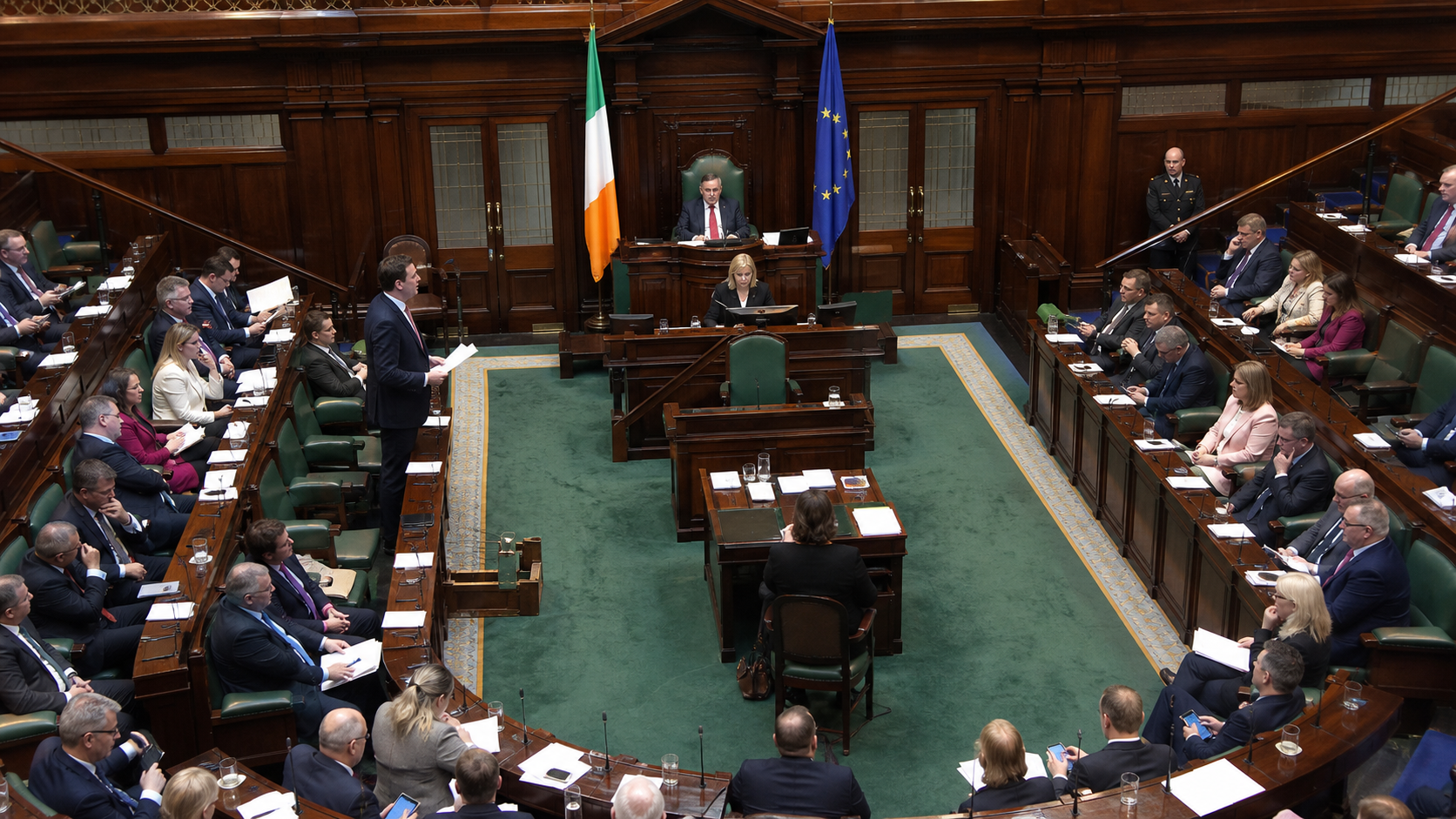
The SSE Airtricity announcement is significant not just for the 300,000 households directly affected but as an indicator of the direction of travel for the Irish energy market as a whole. Other suppliers are likely to follow with their own increases in the coming weeks, as the wholesale market conditions that are driving SSE Airtricity's decision affect all suppliers equally. The Commission for Regulation of Utilities, which oversees the Irish energy market, has indicated it is monitoring the situation closely but has limited powers to prevent suppliers from passing through genuine cost increases.
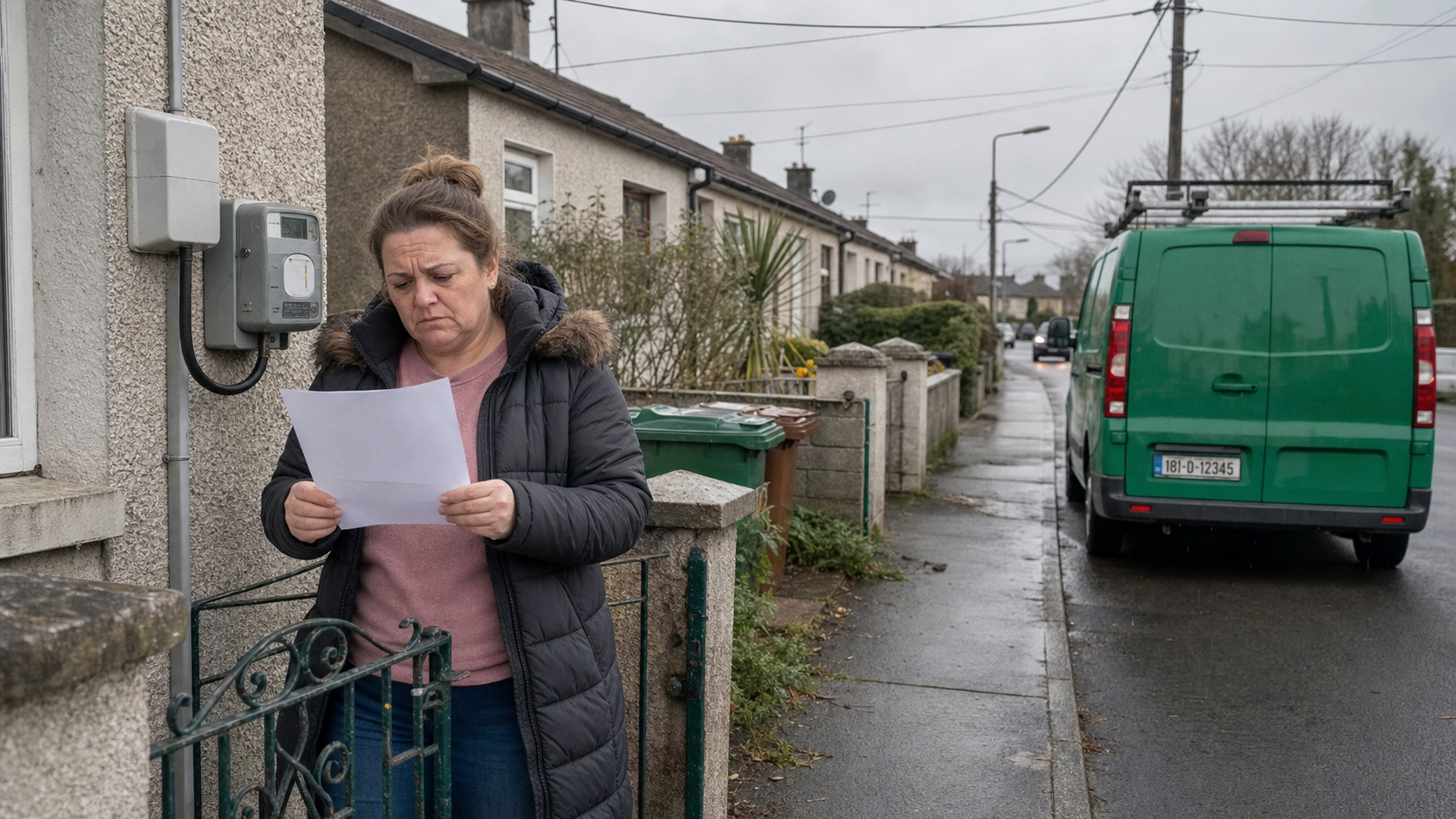
The timing of the increases — coming as households prepare for the winter heating season — is particularly difficult. Energy poverty campaigners have warned that the combination of rising bills and the ongoing cost-of-living pressures in areas such as Dublin's inner city, Cork's northside, Limerick's regeneration areas, and rural communities across Connacht and Munster will push more families into energy poverty this winter. The government's capacity to respond is constrained by the fiscal pressures ahead of Budget 2027, though there have been calls for targeted energy credits similar to those introduced in 2022 and 2023.
For context, Irish household energy bills remain among the highest in the European Union, a situation that reflects the country's heavy dependence on imported fossil fuels and the relatively high cost of maintaining the electricity grid in a small, island nation. The government's renewable energy targets — which aim to generate 80% of electricity from renewables by 2030 — are intended to reduce this dependence over time, but the transition is taking longer than originally planned.
Local Impact
In practical terms, the increases will be felt across every county in the Republic. In Dublin, where energy costs are already a significant component of household budgets in areas such as Ballymun, Tallaght, Clondalkin, and Finglas, the additional €311 per year for dual-fuel customers represents a meaningful reduction in disposable income. In rural areas served by Gas Networks Ireland — including parts of Cork, Galway, Limerick, and Waterford — the gas price increase will be particularly significant for households that rely on gas for both heating and cooking.
The Society of St Vincent de Paul, which provides emergency energy assistance to households in crisis, has warned that demand for its services is likely to increase significantly this winter as a result of the price rises. The organisation has called on the government to introduce targeted support measures before the heating season begins.
What's Next
The new tariffs take effect on 5 October 2026. The Commission for Regulation of Utilities is expected to publish an assessment of the increases and their impact on consumers in the coming weeks. The Oireachtas Committee on Climate Action is likely to seek evidence from SSE Airtricity and other suppliers about the basis for the increases and the options available to consumers. The government is expected to address energy costs in the context of Budget 2027, which is due to be presented in mid-October.