S&P 500 and Nasdaq Close at Record Highs as Tech Surge and Oil Retreat Fuel Wall Street Rally
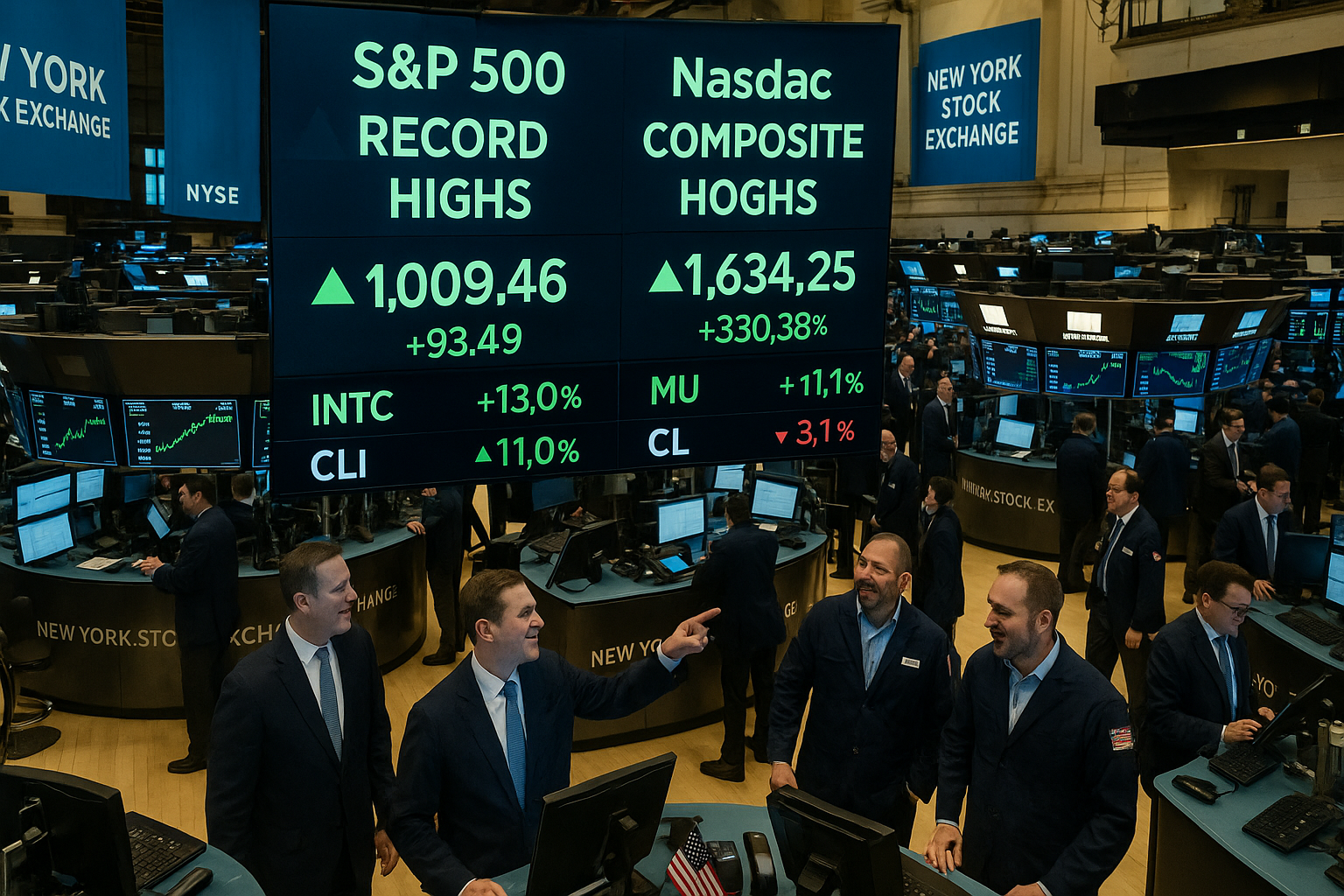
Wall Street staged a powerful reversal on May 5, 2026, with the S&P 500 rising 0.8 percent and the Nasdaq Composite gaining 1 percent to close at new all-time highs — a sharp turnaround from the previous session's 550-point Dow drop — as semiconductor stocks surged on company-specific catalysts and West Texas Intermediate crude fell more than 3 percent to $102.60 a barrel after Defense Secretary Pete Hegseth confirmed the US-Iran ceasefire remained in place.
Background
Markets had been rattled on May 4 when a reported Iranian missile interception by the UAE sent crude oil spiking 4.4 percent to $106.42 a barrel, dragging the Dow Jones Industrial Average down 1.13 percent and reigniting fears that Middle East conflict would keep US inflation elevated through the year. The selloff came as investors were already processing a complex earnings season and the Federal Reserve's signal that it would hold interest rates steady for the remainder of 2026.
The May 5 session opened cautiously but accelerated through the afternoon as a combination of geopolitical reassurance and company-specific news drove the technology sector sharply higher. The Russell 2000 small-cap index also set a new intraday record, suggesting the rally had breadth beyond the mega-cap names.
Key Developments
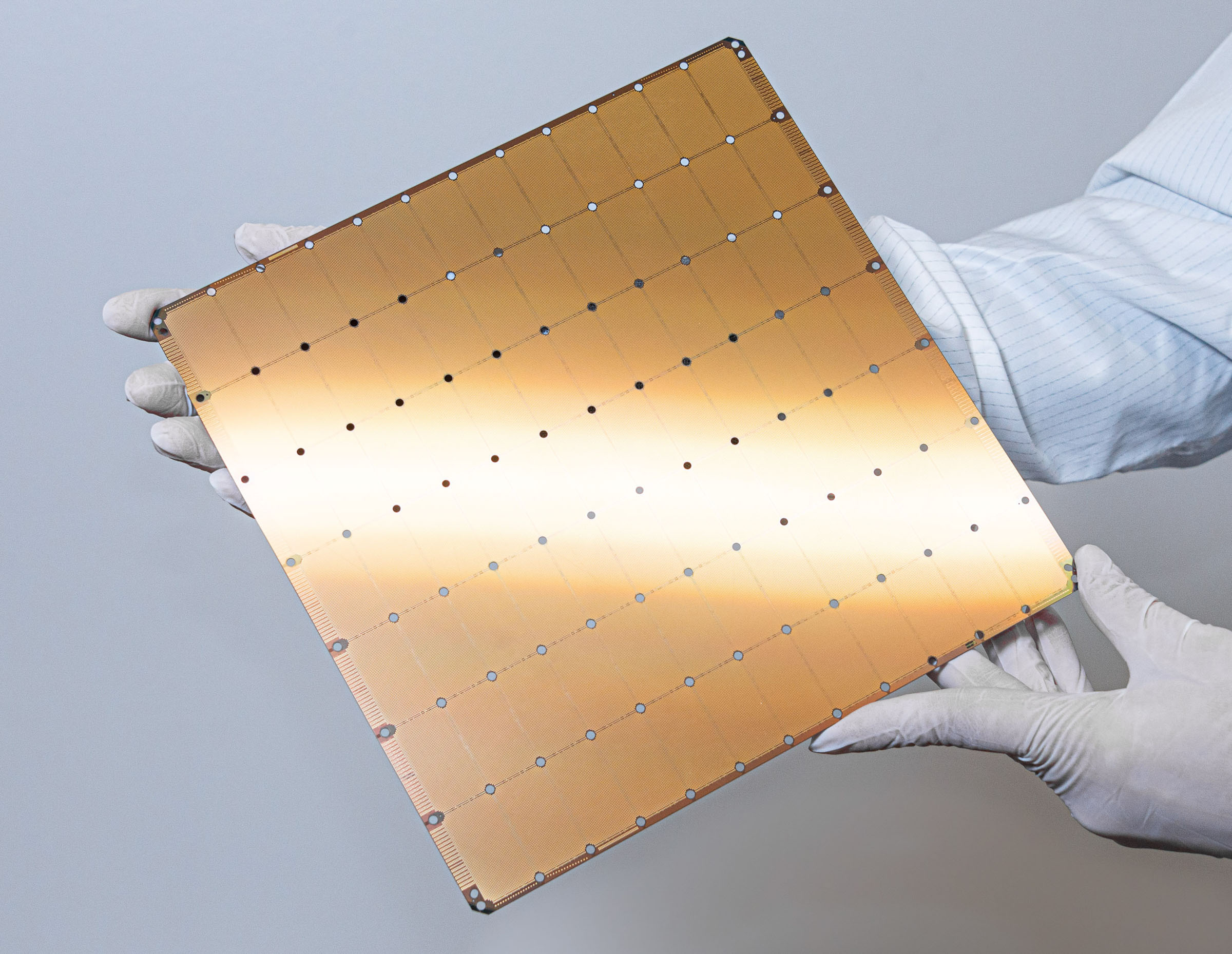
Intel shares surged 13 percent — the stock's best single-day performance in more than two years — after reports emerged that Apple is in preliminary discussions with Intel about utilizing the chipmaker's US manufacturing facilities for future processors. The talks, if they advance, would represent a significant strategic shift for Apple, which has relied almost exclusively on Taiwan Semiconductor Manufacturing Company for chip production. Intel's foundry business has struggled to attract major customers, making the Apple discussions a potential turning point.
Micron Technology jumped 11 percent to a new all-time high, extending a run that has seen the memory chip maker's shares rise nearly 700 percent over the past year. SanDisk climbed 12 percent. Apple itself gained 2.5 percent, and Advanced Micro Devices rose 4 percent ahead of its own earnings report.
The Dow Jones Industrial Average added 350 points, a 0.7 percent gain. The 10-year Treasury yield dipped slightly to 4.43 percent. Gold futures advanced 0.8 percent to $4,570 an ounce. Bitcoin rallied past $81,000, linked to perceived progress on the Clarity Act, a cryptocurrency regulation bill moving through Congress.
Not every earnings report was rewarded. PayPal dropped 8 percent after issuing disappointing forward guidance despite beating first-quarter estimates. Palantir fell 7 percent even after raising its full-year outlook, as investors focused on slowing US commercial growth. Shopify plunged 16 percent after its operating profit missed consensus estimates despite 34 percent revenue growth.
Why Americans Should Care
The rally has direct implications for the roughly 60 percent of American households that hold stocks through 401(k) plans, IRAs, or direct brokerage accounts. New all-time highs in the S&P 500 lift retirement account balances for workers in every state, from manufacturing communities in Michigan and Ohio to tech-heavy metros in California and Washington. The Intel-Apple chipmaking talks, if they materialize, could also mean expanded production at Intel's fabrication plants in Chandler, Arizona, and Hillsboro, Oregon — facilities that employ thousands of American workers and anchor regional economies.
For consumers, the retreat in oil prices matters immediately at the gas pump. WTI crude at $102.60 is still elevated by historical standards, but the pullback from $106 reduces pressure on gasoline prices in states like Texas, Florida, and California where commuters are most exposed to fuel cost swings. The Federal Reserve's rate-hold posture means mortgage rates are unlikely to fall soon, keeping pressure on homebuyers in competitive markets from Phoenix to Charlotte.
Why It Matters
The May 5 session illustrated how tightly US equity markets are now coupled to geopolitical developments in the Middle East. The previous day's selloff and the subsequent recovery both turned on a single variable: whether the US-Iran ceasefire held. That sensitivity reflects the degree to which elevated oil prices — WTI has averaged above $95 a barrel since February — are feeding into core inflation and constraining the Federal Reserve's ability to cut rates.
The divergence between strong earnings and negative stock reactions at companies like PayPal and Shopify signals a market that has moved past rewarding revenue growth alone. Investors are now demanding margin expansion and credible forward guidance — a dynamic that mirrors the post-2021 correction in growth stocks, when the era of cheap money ended and profitability replaced growth as the primary valuation metric. The semiconductor sector's outperformance reflects a structural shift in capital allocation toward the physical infrastructure of next-generation computing, a trend that has driven Micron's 700 percent gain and is reshaping the competitive landscape of the global chip industry.
What's Next
Markets will focus on the May 28 release of the second estimate for first-quarter GDP, followed by the May employment report on June 5 and the Consumer Price Index for May on June 10. Those three data points will determine whether the Federal Reserve's rate-hold posture holds through the summer or whether a deteriorating labor market forces a policy pivot. Intel's chipmaking discussions with Apple are expected to advance through the summer, with any formal agreement likely announced alongside Apple's fall product cycle.
Sources: Investopedia; AP News; 24/7 Wall St.