SistersIN Mentoring Programme Has Transformed Lives of More Than 17,500 Young Women Across Northern Ireland
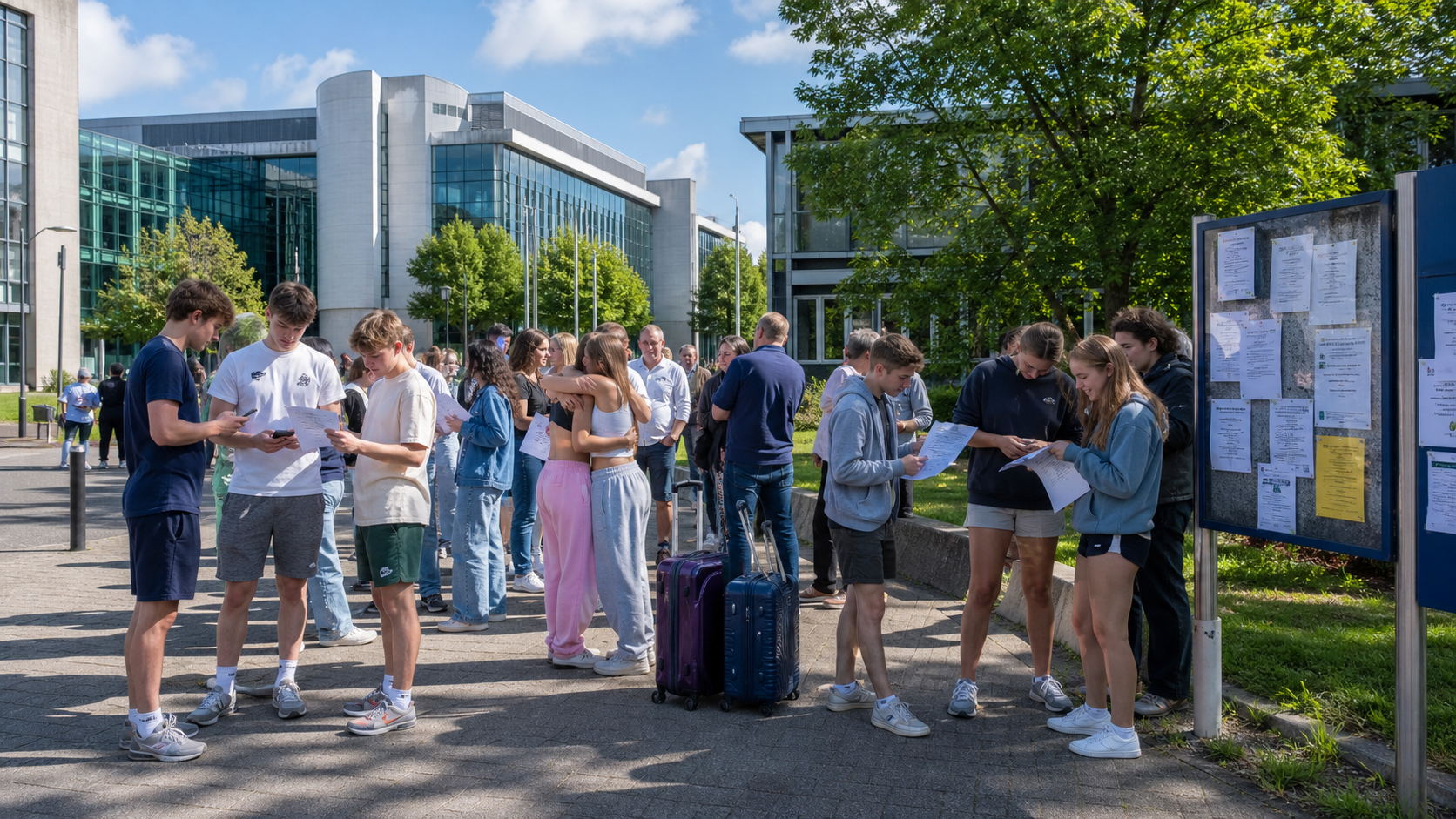
A mentoring programme designed to build confidence and leadership skills among teenage girls in Northern Ireland has reached a landmark milestone, with more than 17,500 young people having benefited from the initiative since it was established in 2022. Nearly 800 students from 60 schools across the region gathered at the ICC Belfast on Tuesday to celebrate the programme's extraordinary reach and impact, marking one of the most significant youth development events in Northern Ireland this year.
Background
SistersIN was founded in 2022 with a straightforward but ambitious mission: to connect teenage girls in Northern Ireland with professional women mentors who could help them navigate the challenges of adolescence, build self-belief, and develop the leadership skills that would serve them throughout their lives. The programme emerged from a recognition that young women in Northern Ireland — particularly those from disadvantaged backgrounds or rural communities — often lacked access to the kind of professional networks and role models that their peers in larger cities took for granted.
From its earliest days, SistersIN operated on the principle that mentoring works best when it is structured, sustained, and embedded within school communities. Rather than offering one-off workshops or occasional talks, the programme committed to year-long mentoring relationships, pairing students with women working across sectors including law, medicine, technology, the arts, and public service. The model drew on international best practice while remaining firmly rooted in the specific social and cultural context of Northern Ireland.
The programme has grown rapidly since its founding, expanding from an initial cohort of schools in Belfast to a province-wide network spanning urban centres and rural communities alike. Schools from Derry/Londonderry, Newry, Armagh, Antrim, and Fermanagh have all participated, ensuring that the benefits of the programme are not confined to the greater Belfast area.
Key Developments
The celebration event at the ICC Belfast brought together students, mentors, teachers, and programme supporters to mark the scale of what SistersIN has achieved in just four years. The figures presented at the event were striking: 756 students had collectively delivered 480 leadership projects, contributing more than 9,000 hours of community activity across Northern Ireland. The projects ranged from environmental campaigns and mental health awareness initiatives to community fundraisers and social enterprise ventures.
The gathering of nearly 800 students from 60 schools in a single venue underscored the programme's reach. For many of the young women present, the event represented the culmination of a year-long journey that had taken them from initial uncertainty about their own capabilities to a confident sense of what they could achieve. Mentors who attended described the transformation they had witnessed in their mentees as genuinely moving.
Programme organisers noted that the 17,500 figure encompasses not only direct participants but also the wider communities touched by the leadership projects students undertook — a ripple effect that speaks to the programme's broader social value. The data also showed that participants reported significantly higher levels of confidence, ambition, and sense of belonging than they had at the start of the programme year.
Why It Matters
Northern Ireland has long grappled with issues of educational underachievement, youth mental health, and the persistent underrepresentation of women in senior professional roles. SistersIN addresses all three of these challenges simultaneously, and the scale of its impact — 17,500 lives touched in four years — places it among the most effective youth development programmes operating anywhere on the island of Ireland.
The programme's success is particularly significant given the backdrop of ongoing economic uncertainty and the pressures facing young people in Northern Ireland. Research consistently shows that mentoring relationships have a measurable positive effect on educational attainment, career aspirations, and mental wellbeing. For young women in Northern Ireland, where the gender pay gap remains stubbornly persistent and women are still underrepresented in boardrooms and senior public roles, access to professional female mentors is not a luxury — it is a structural necessity.
Unlike many youth initiatives that struggle to demonstrate lasting impact, SistersIN has built in robust measurement from the outset. The 480 leadership projects delivered by participants are tangible evidence of changed behaviour, not merely changed attitudes. This is the third time in two years that the programme has exceeded its own targets, suggesting that its model is not only effective but scalable.
Local Impact
The programme's reach across Northern Ireland's diverse communities is one of its defining strengths. Schools in south and west Belfast, in the Shankill and Falls areas, in Derry's Bogside and Waterside, and in rural communities across Tyrone and Fermanagh have all participated. For students in areas where professional networks are thin and role models in certain careers are scarce, the mentoring relationships SistersIN facilitates can be genuinely life-changing.
Teachers at participating schools have reported that students who go through the programme return to their classrooms with a noticeably different sense of themselves — more willing to speak up, more willing to take on responsibility, and more willing to imagine futures that extend beyond the immediate horizons of their communities. That shift in self-perception, multiplied across 17,500 young women, represents a quiet but profound transformation in Northern Ireland's social fabric.
What's Next
SistersIN organisers have indicated that the programme will continue to expand in the 2026-27 academic year, with plans to bring additional schools on board and to deepen the mentoring offer for returning participants. The programme is also exploring partnerships with further education colleges and universities to extend its reach to young women in the 18-21 age bracket. A formal evaluation of the programme's long-term outcomes is expected to be published later this year, which organisers hope will support applications for sustained public funding.