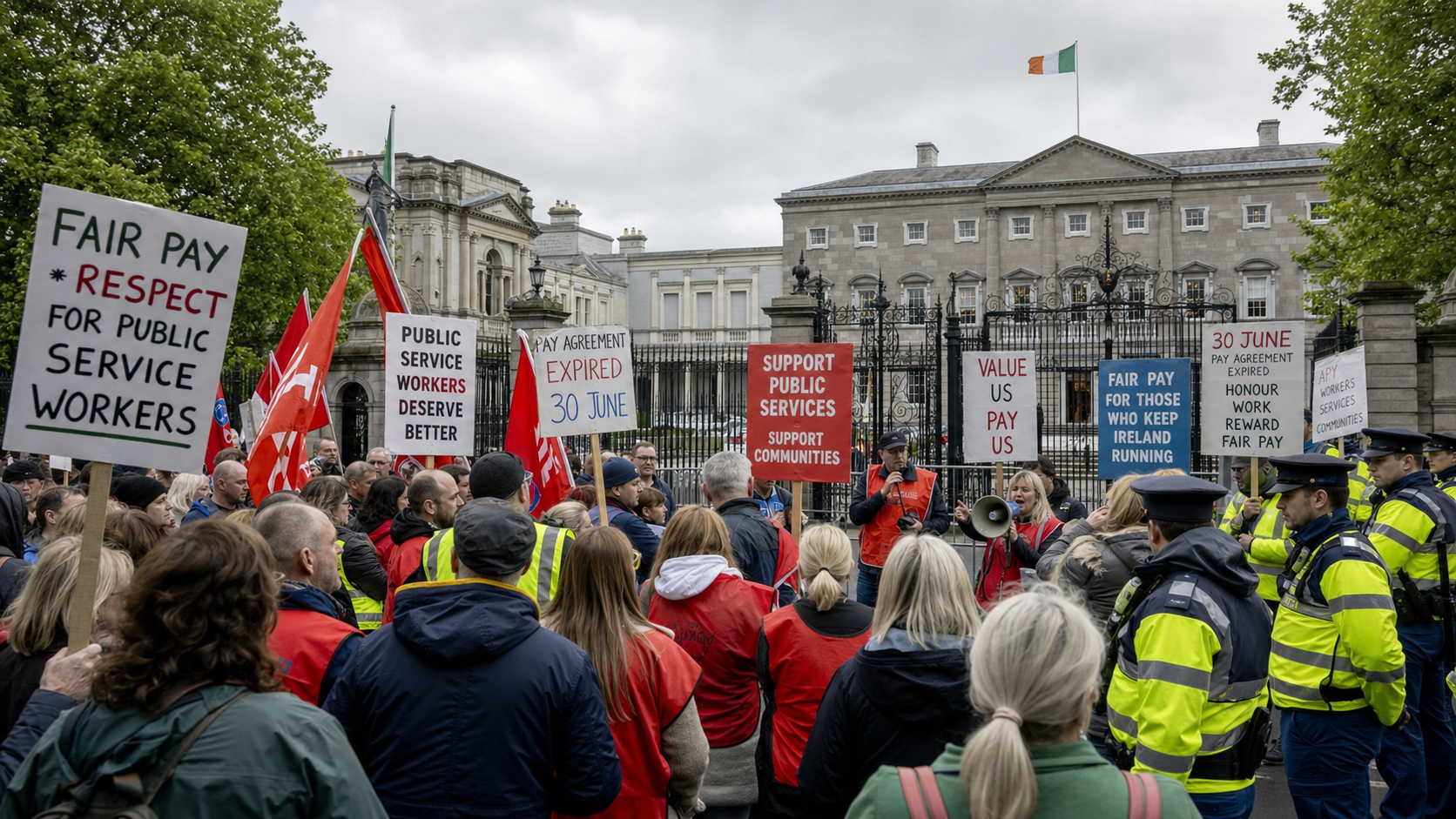
SIPTU Members Vote 97% in Favour of Strike Action as Public Sector Pay Dispute Threatens Widespread Industrial Unrest
SIPTU members in the Irish public sector have voted 97% in favour of strike action and 98% in favour of broader industrial action, as the union accuses the government of 'sitting on its hands' for months over a successor to the public service pay agreement that expired on 30 June 2026. With Fórsa, Unite, the Prison Officers Association, and multiple teachers' unions also moving towards industrial action, Ireland faces the prospect of the most significant public sector dispute in more than a decade.
Background
The Irish public service has operated under a series of negotiated pay agreements since the Haddington Road Agreement of 2013, which imposed significant pay cuts and productivity measures on public servants in the wake of the financial crisis. Subsequent agreements — Lansdowne Road, the Public Service Stability Agreement, and Building Momentum — gradually restored pay levels and introduced mechanisms for regular pay reviews. The most recent agreement, Building Momentum, expired on 30 June 2026, leaving approximately 350,000 public servants without a negotiated pay framework for the first time in over a decade.
SIPTU, the second-largest organisation of public sector workers in Ireland with approximately 75,000 members, has been pressing the government since the spring to open negotiations on a successor agreement. The union's Deputy General Secretary Adrian Kane has characterised the government's response as "unacceptable," accusing officials of failing to present serious proposals and of refusing to provide guarantees against the outsourcing of public services. The government, for its part, has maintained that it is committed to reaching a new agreement and has called on unions to return to the negotiating table without preconditions.
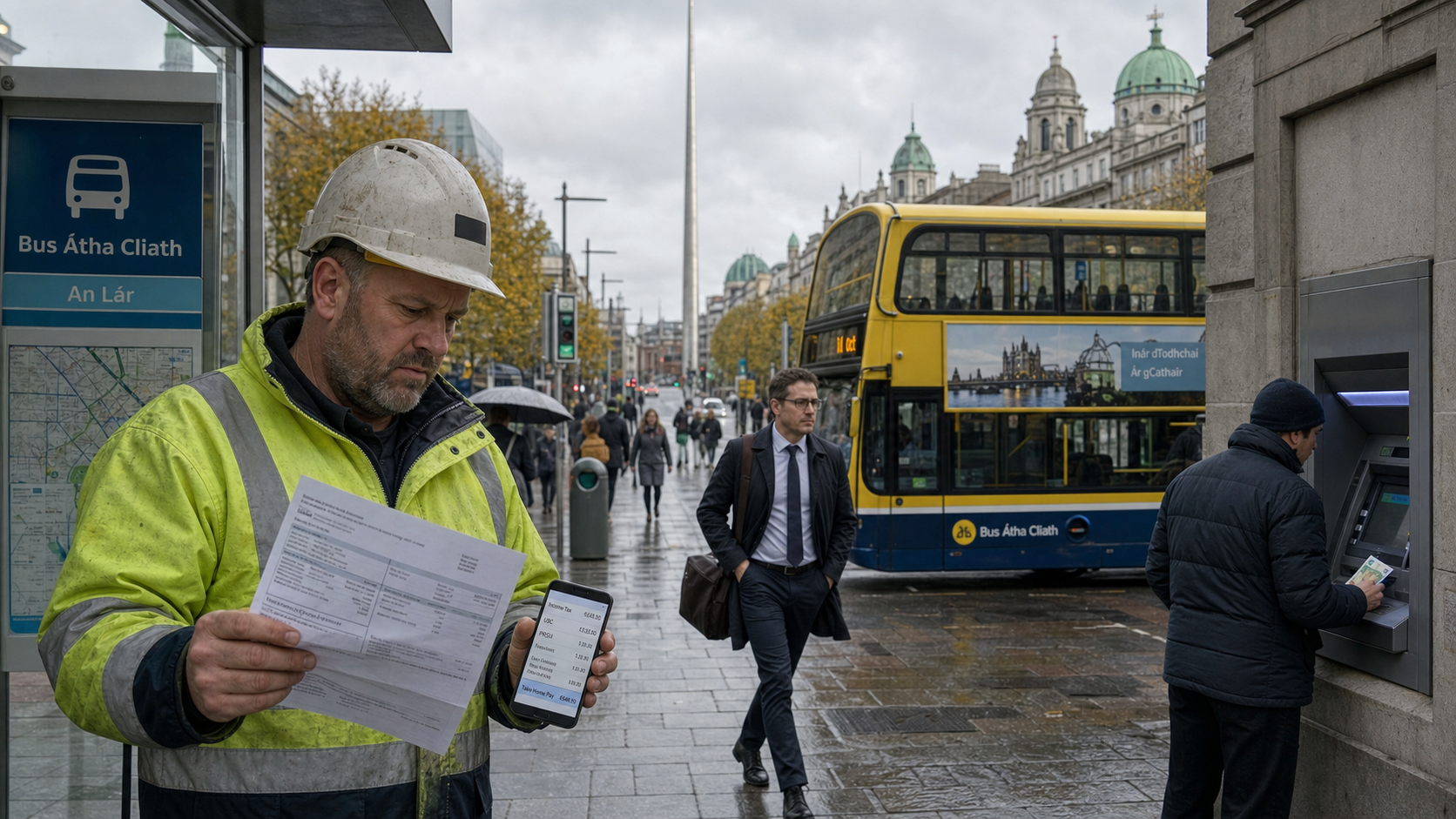
The backdrop to the dispute is one of significant economic pressure on public sector workers. While Ireland's economy has continued to grow, the cost of living — particularly housing costs in Dublin and other urban centres — has risen sharply, eroding the real value of pay increases secured under previous agreements. Public sector workers have pointed to the widening gap between their pay and that of comparable private sector roles as evidence that the public service is struggling to attract and retain the talent it needs.
Key Developments
The SIPTU ballot results, announced on Sunday, showed 97% support for strike action and 98% support for broader industrial action among participating members. The turnout and the scale of the vote in favour of action reflect the depth of frustration within the union's membership. Adrian Kane described the government's lack of engagement as "unacceptable" and warned that the union would not hesitate to proceed with industrial action if meaningful negotiations did not begin promptly.
SIPTU's move is part of a broader wave of industrial unrest across the public sector. Unite and the Prison Officers Association had already voted in favour of industrial action before the SIPTU announcement. Fórsa, the largest public sector union with approximately 100,000 members, was expected to announce the results of its own ballot on Tuesday, 1 September. The Association of Secondary Teachers Ireland announced on Sunday that it would hold a ballot before the end of September, and the Irish National Teachers Organisation and the Teachers Union of Ireland have confirmed their intention to conduct ballots in the coming weeks. The Irish Nurses and Midwives Organisation was expected to complete its own ballot process within days.
Minister for Public Expenditure Jack Chambers maintained that the threat of industrial action was unnecessary and stated that the government remained committed to reaching a new pay agreement. A spokesperson for the Department of Public Expenditure reiterated that the government was open to engagement, emphasising that meaningful progress required both parties to return to the negotiating table without preconditions.
Why It Matters
The scale of the potential industrial action — spanning nurses, teachers, prison officers, and a wide range of other public sector workers — would represent the most significant disruption to public services in Ireland since the industrial disputes of the early 2010s. For context, the Haddington Road Agreement of 2013 was reached against the backdrop of threatened strike action by multiple unions, and the negotiations that produced it were among the most difficult in the history of Irish industrial relations. The current dispute has the potential to be equally significant, given the number of unions involved and the breadth of the public services that could be affected.
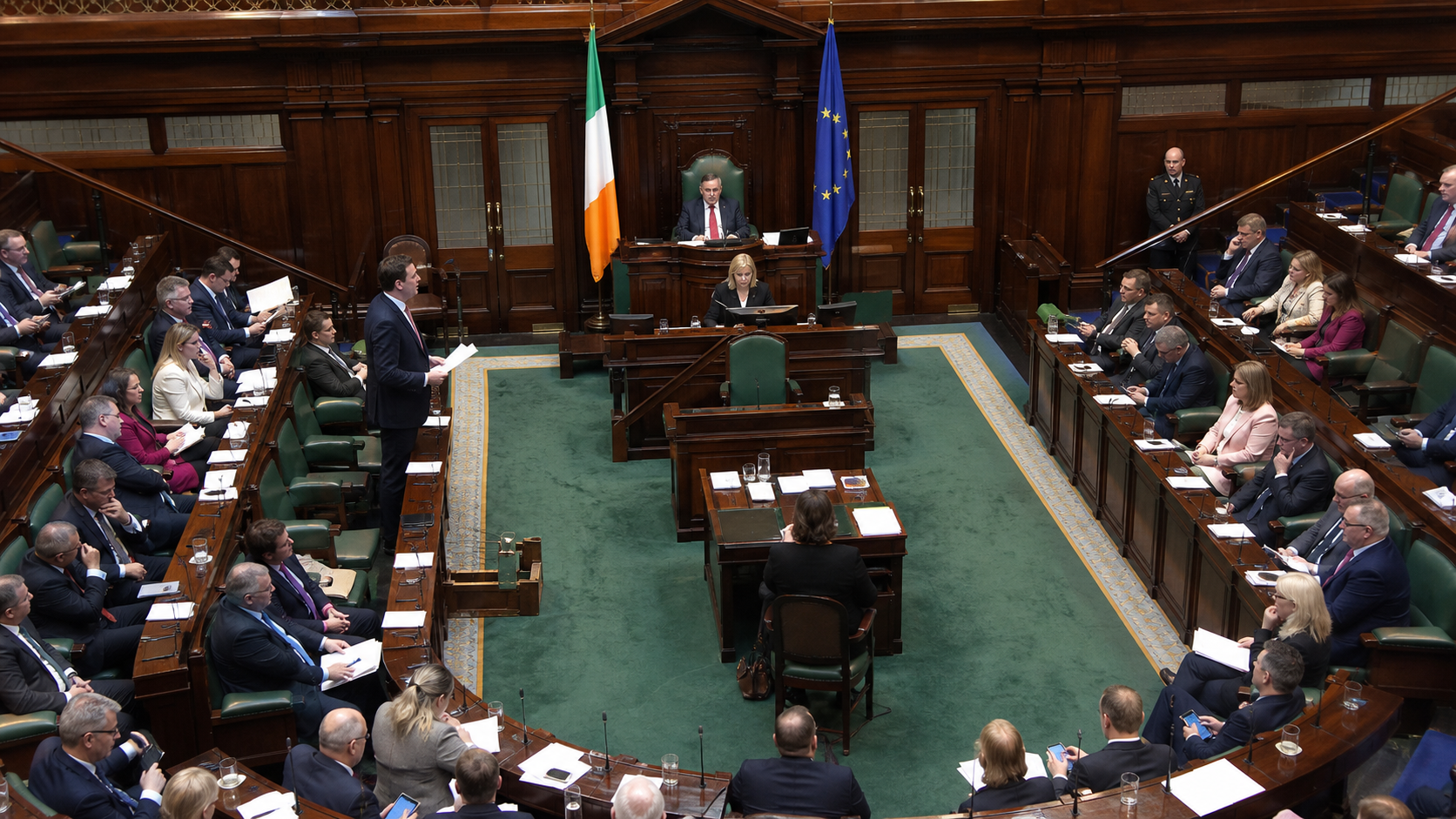
The timing of the dispute — with Budget 2027 approaching in October — adds a political dimension to the industrial relations challenge. The government will be reluctant to be seen to capitulate to union pressure in the weeks before a budget, but it will also be acutely aware of the political cost of a prolonged public sector dispute that disrupts schools, hospitals, and other essential services. The outcome of the Fórsa ballot, expected on Tuesday, will be a significant indicator of the scale of the challenge facing the government.
For public sector workers themselves, the dispute is fundamentally about whether the state values their contribution and is willing to pay them fairly for it. The 97% vote in favour of strike action is not a figure that emerges from a workforce that is mildly discontented — it reflects a deep and widespread sense that the government has not taken their concerns seriously.
Local Impact
Across Ireland, the prospect of public sector strikes has prompted concern among families who depend on schools, hospitals, and other public services. In Dublin, where the cost of living pressure on public sector workers is most acute, union representatives have reported significant anger among members who are struggling to afford housing in the city where they work. In rural areas, the potential disruption to schools and health services — already stretched by staffing shortages — is a particular concern. The HSE has indicated that it is monitoring the situation closely and has contingency plans in place for a range of scenarios, but acknowledged that sustained industrial action would have a significant impact on patient care.
What's Next
Fórsa is expected to announce its ballot results on Tuesday, 1 September. If the results mirror those of SIPTU, the government will face pressure to open substantive negotiations immediately. The Labour Relations Commission and the Workplace Relations Commission are available to facilitate talks, and there is speculation that the government may seek to engage the WRC as a mediator to prevent the dispute from escalating to actual strike action. The ASTI ballot is expected before the end of September, and the INTO and TUI have indicated that their ballots will follow shortly thereafter.