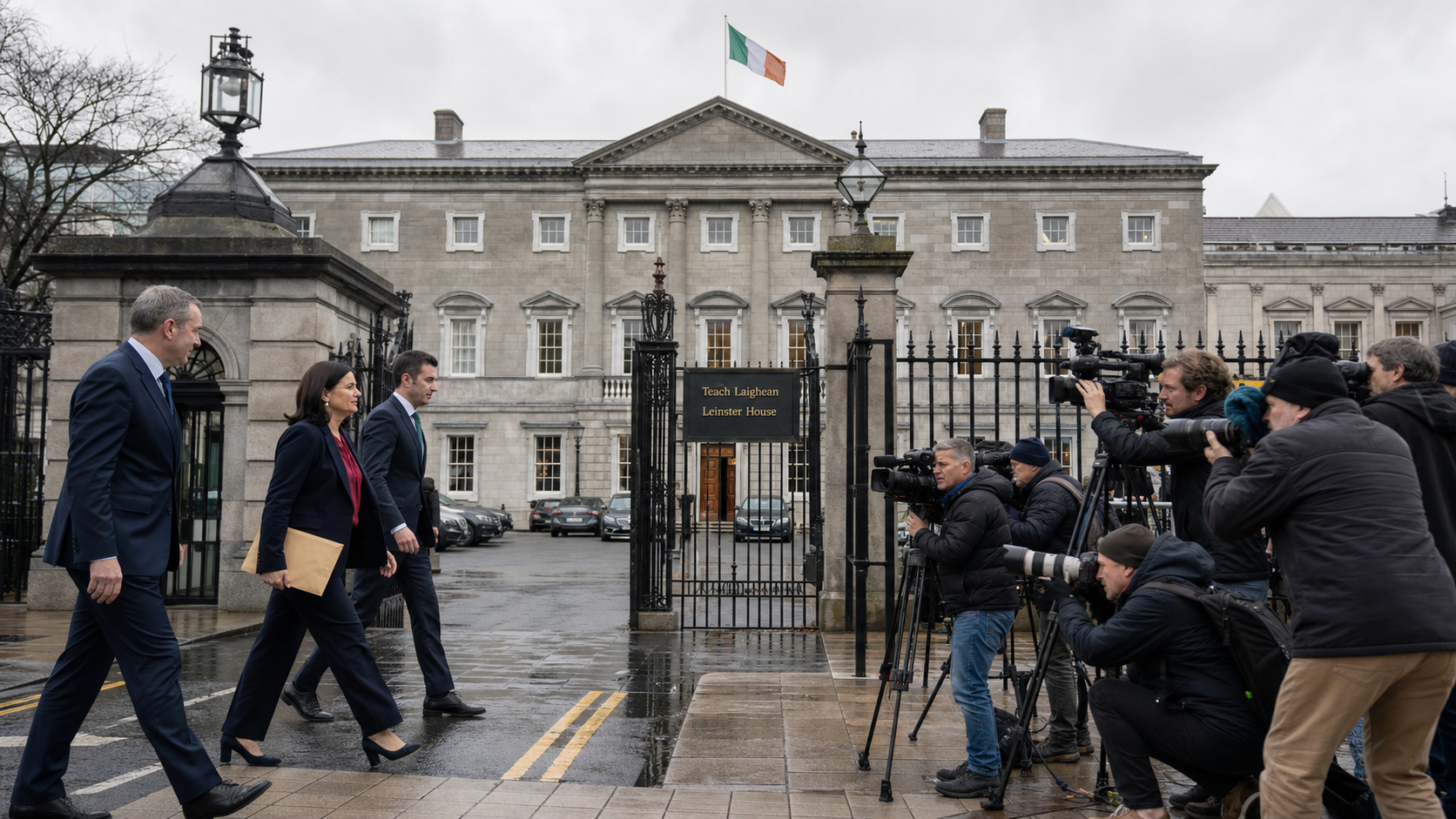
Dáil Recall Pressure Mounts as Sinn Féin Targets September Fuel Excise Hike
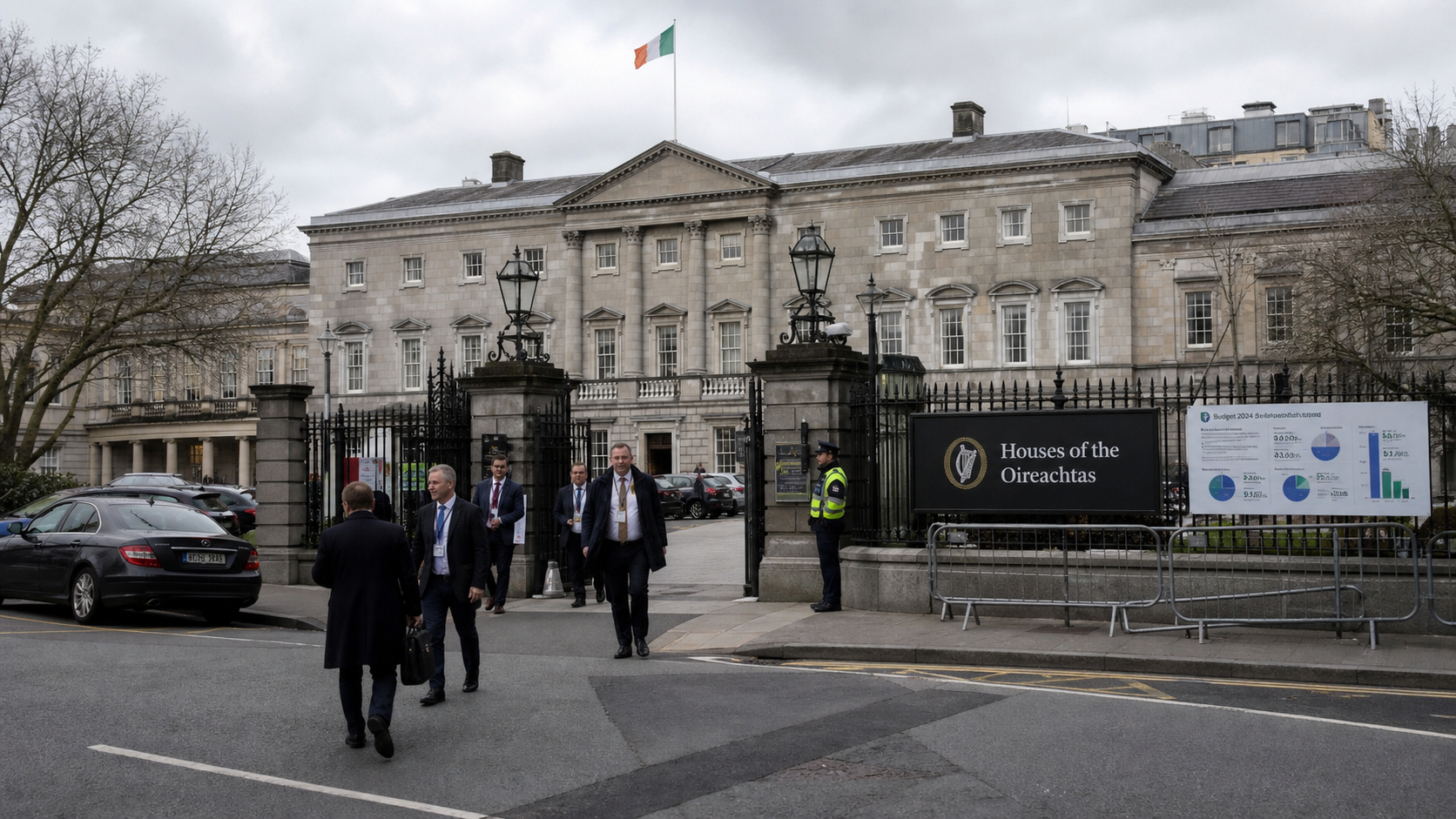
Sinn Féin leader Mary Lou McDonald has formally written to Taoiseach Micheál Martin demanding an early recall of the Dáil — currently scheduled to return on 16 September — to pass a financial resolution blocking the first stage of planned fuel excise increases due to take effect on 1 September 2026. The government, which introduced temporary excise cuts of 32 cents per litre on diesel and 27 cents per litre on petrol in April amid widespread fuel protests, had planned a four-stage phased restoration of full excise rates between September and December. Minister for Enterprise Peter Burke has acknowledged that the matter is "under review," citing a deteriorating international outlook and rising pump prices.
Background
The fuel excise cuts introduced in April 2026 were a direct response to a wave of public anger over rising energy costs, which had been driven by a combination of global commodity price increases, Middle East tensions, and the lingering effects of post-pandemic supply chain disruption. The cuts, which reduced the excise duty on diesel by 32 cents per litre and on petrol by 27 cents per litre, provided immediate relief to motorists, hauliers, and farmers, and were broadly welcomed across the political spectrum as a necessary short-term intervention.
The government's plan to phase out the cuts in four stages — beginning on 1 September and concluding in December — was presented as a fiscally responsible approach to unwinding a temporary measure that had cost the exchequer several hundred million euros. The phased approach was designed to avoid a sudden price shock while gradually restoring the revenue stream that the excise cuts had interrupted. However, the plan was predicated on an assumption that global fuel prices would remain relatively stable, an assumption that has been challenged by subsequent events.
Sinn Féin's finance spokesperson, Pearse Doherty, has highlighted that diesel is currently averaging €1.92 per litre and petrol €1.84 per litre — levels that, he argues, make any further increase in excise duty deeply damaging to households and businesses already under financial pressure. The party's position is that the excise cuts should be maintained until at least the October 2027 budget, at which point the government can make a more considered decision about the appropriate level of fuel taxation.
Key Developments
The formal letter from McDonald to Martin represents an escalation of Sinn Féin's campaign on the fuel excise issue, moving from parliamentary questions and media commentary to a direct demand for executive action. The letter argues that the Dáil should be recalled before 1 September to pass a financial resolution that would delay the first stage of the excise restoration, preventing an immediate increase in pump prices at the start of next month.
Minister Burke's acknowledgement that the matter is "under review" is the most significant signal yet that the government is considering a change of course. Government officials have noted that the international outlook — particularly regarding conflict in the Middle East and tensions near the Strait of Hormuz — has deteriorated significantly since the phase-out plan was agreed, and that "nothing can be ruled out" regarding a delay to the excise restoration. However, no formal decision had been reached by Thursday evening, and the government's position remains that the phased restoration is the planned approach.
The Irish Road Haulage Association, the Irish Farmers' Association, and a range of business groups have all written to the government in recent weeks urging a delay to the excise restoration, arguing that the increase would add significantly to operating costs at a time when margins are already under pressure. The hospitality sector, which relies heavily on food and beverage deliveries, has been particularly vocal in its opposition.
Why It Matters
The fuel excise debate is a microcosm of a broader tension in Irish fiscal policy between the desire to maintain competitive tax rates and the need to fund public services. Ireland's excise duty on alcohol is already the second highest in Europe, according to research published this week by Dublin City University economist Anthony Foley, and the fuel excise question raises similar issues about the appropriate level of taxation on consumption goods that affect lower-income households disproportionately.
The political dynamics are also significant. With the next general election due by October 2027, the government is acutely aware of the electoral consequences of being seen to increase fuel costs at a time of economic pressure. Sinn Féin's demand for a Dáil recall is as much a political manoeuvre as a policy proposal — it forces the government to either act or be seen to be ignoring public concern about fuel prices.
Local Impact
The fuel excise question has particular resonance in rural Ireland, where car dependency is high and public transport alternatives are limited. In counties like Roscommon, Leitrim, and Longford, where distances to work, school, and services are significant, fuel costs represent a substantial proportion of household budgets. The Irish Rural Link organisation has estimated that rural households spend, on average, 15 per cent more on transport than their urban counterparts, making them disproportionately exposed to any increase in fuel prices.
What's Next
The government is expected to make a decision on the Dáil recall question by the end of next week, ahead of the 1 September deadline. If the Dáil is recalled, a financial resolution could be passed within a single sitting day, providing immediate certainty to motorists and businesses. If the government decides against a recall, the first stage of the excise restoration will proceed as planned on 1 September, with the political consequences to be managed in the weeks that follow. Taoiseach Martin is expected to address the issue at a press conference early next week.