Sinn Féin Navigates Difficult Political Terrain
Sinn Féin is facing a challenging period ahead of upcoming bye-elections, with recent polling showing a continued decline in support and internal tensions over the party's direction following its failure to enter government after the 2024 general election. The party, which had been riding high in the polls for several years and had hoped to lead a government for the first time, has struggled to find its footing in opposition and is facing questions about its strategy and leadership.
The most recent opinion polls show Sinn Féin's support in the Republic of Ireland standing at around 22 per cent — down from a peak of more than 35 per cent in 2022 and significantly below the level needed to lead a government. The decline has been attributed to a range of factors, including the party's perceived shift on immigration policy, internal divisions over strategy, and the difficulty of maintaining momentum in opposition.
The Bye-Election Challenge
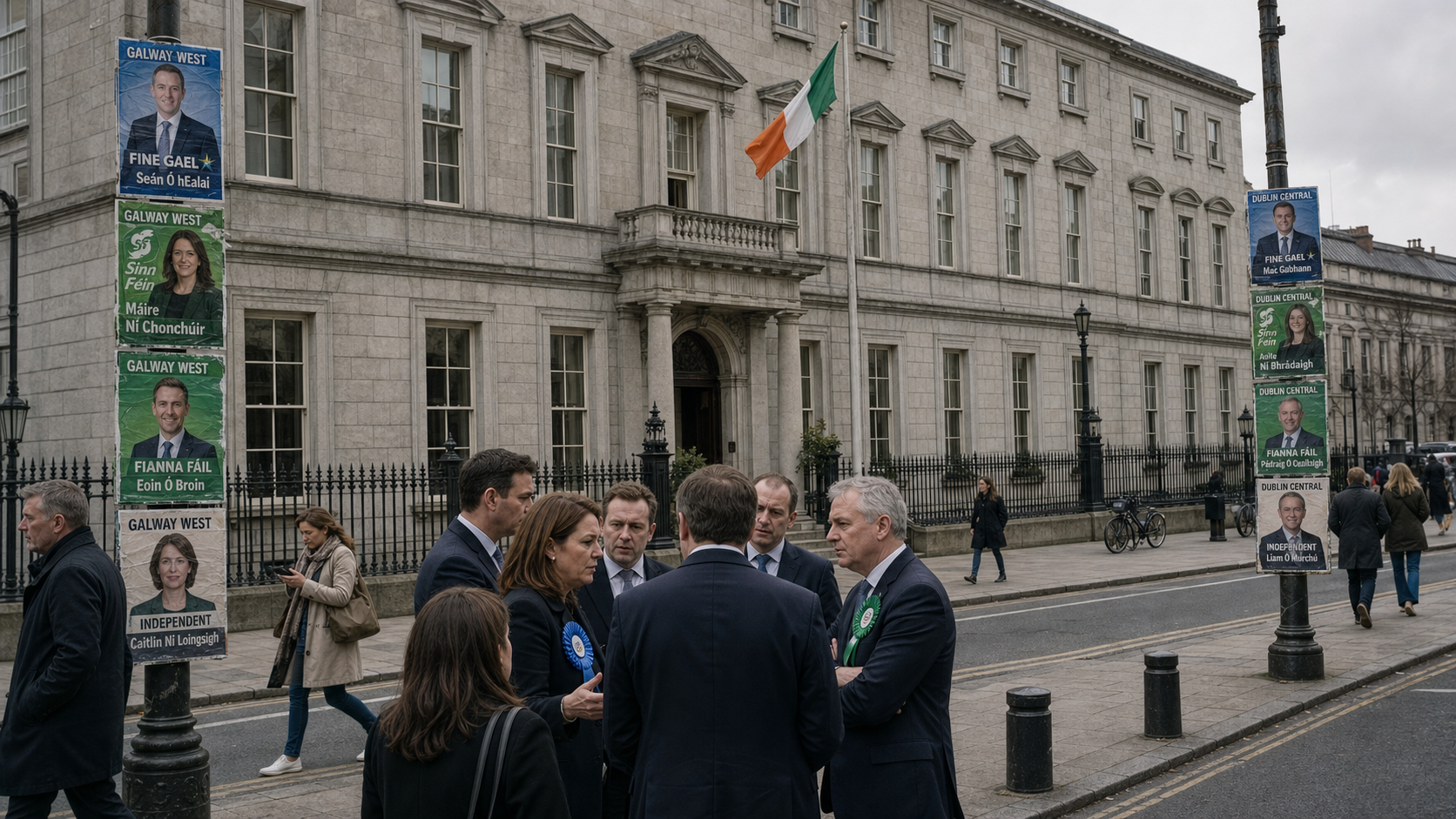
The party faces two bye-elections in the coming months, in constituencies where it had previously held seats. The bye-elections will be seen as a test of the party's current standing with the electorate and of its ability to mobilise its support base in the absence of the excitement that surrounded the 2020 and 2024 general elections.
Sinn Féin's performance in recent local and European elections has been mixed, with the party losing ground in some areas while holding its own in others. The party's leadership has sought to project confidence, arguing that the current polling figures do not reflect the party's underlying strength and that it remains well-positioned to make gains at the next general election.
Internal Tensions
Behind the scenes, however, there are reports of significant tensions within the party over its direction and strategy. Some members have argued that the party needs to move more decisively to the centre on issues such as immigration and public order, in order to broaden its appeal beyond its traditional base. Others have resisted any shift in this direction, arguing that it would alienate the party's core supporters and undermine its distinctive political identity.
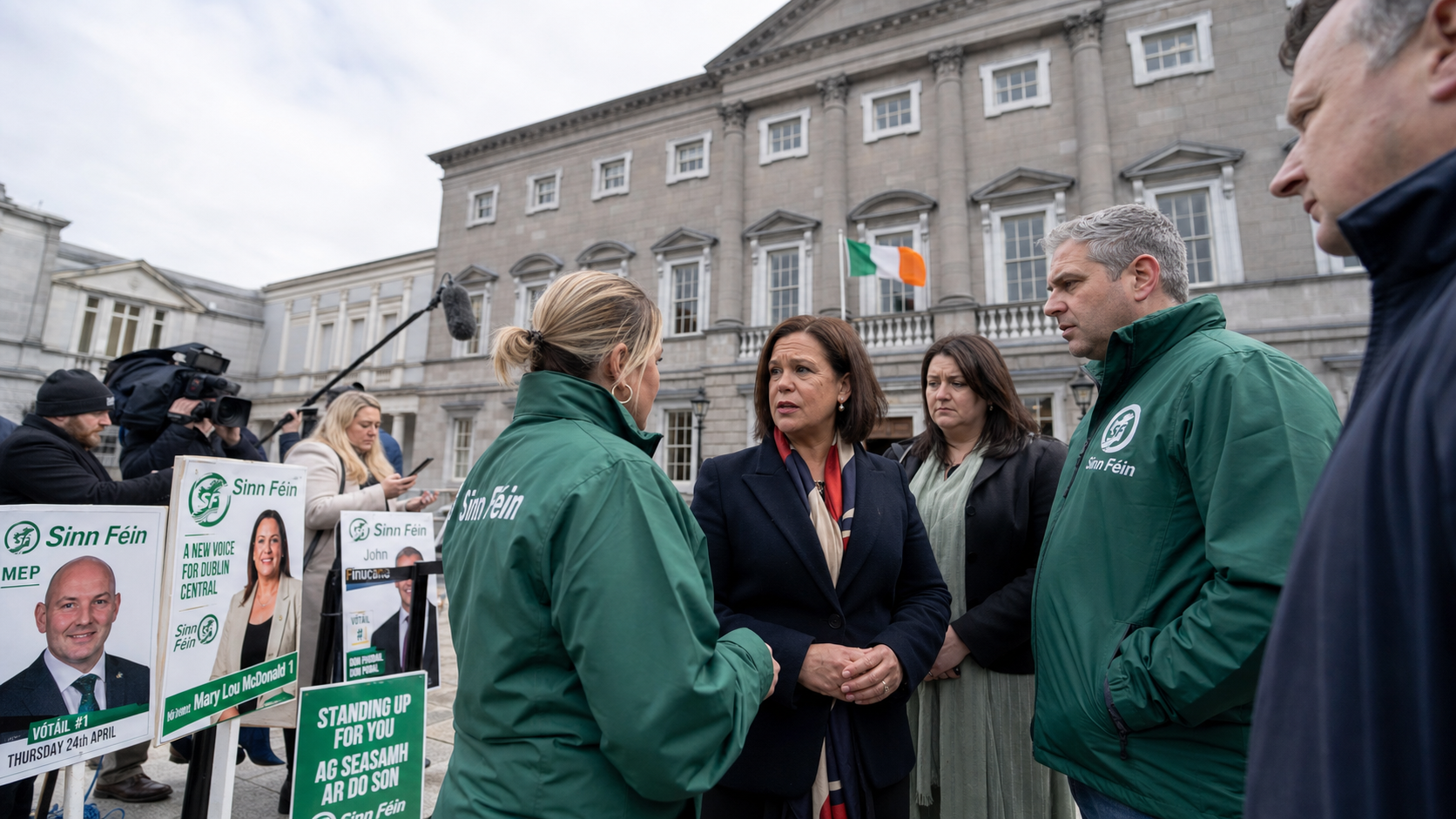
The question of leadership has also been raised in some quarters, with speculation about the long-term future of party president Mary Lou McDonald. McDonald has dismissed suggestions that her position is under threat, but the speculation reflects the broader uncertainty about the party's direction.
The Immigration Question
Immigration has emerged as one of the most difficult issues for Sinn Féin in recent months. The party has faced criticism from both sides of the debate — from those who argue that it has been too slow to acknowledge public concerns about the pace of immigration, and from those who argue that it has been too willing to accommodate anti-immigration sentiment.
The party's position on immigration has evolved significantly over the past two years, with the leadership acknowledging that the pace of arrivals has created genuine pressures on housing, healthcare, and public services. However, critics argue that this shift has been handled clumsily and has damaged the party's reputation for progressive politics.
Looking Ahead
Despite the current difficulties, Sinn Féin remains a significant force in Irish politics. The party has a strong organisational base, a dedicated activist network, and a clear electoral strategy focused on the next general election. The outcome of the upcoming bye-elections will be an important indicator of whether the party has stabilised its position or whether the decline in support is continuing.
For now, the party's leadership is focused on presenting a coherent and credible opposition to the government, while working to rebuild its support among the voters who have drifted away in recent months. The road back to the levels of support the party enjoyed at its peak will be long and difficult, but Sinn Féin has shown before that it is capable of reinventing itself in the face of adversity.