Sinn Féin Abortion Bill Passes Dáil Second Stage as Coalition Splits on Free Vote
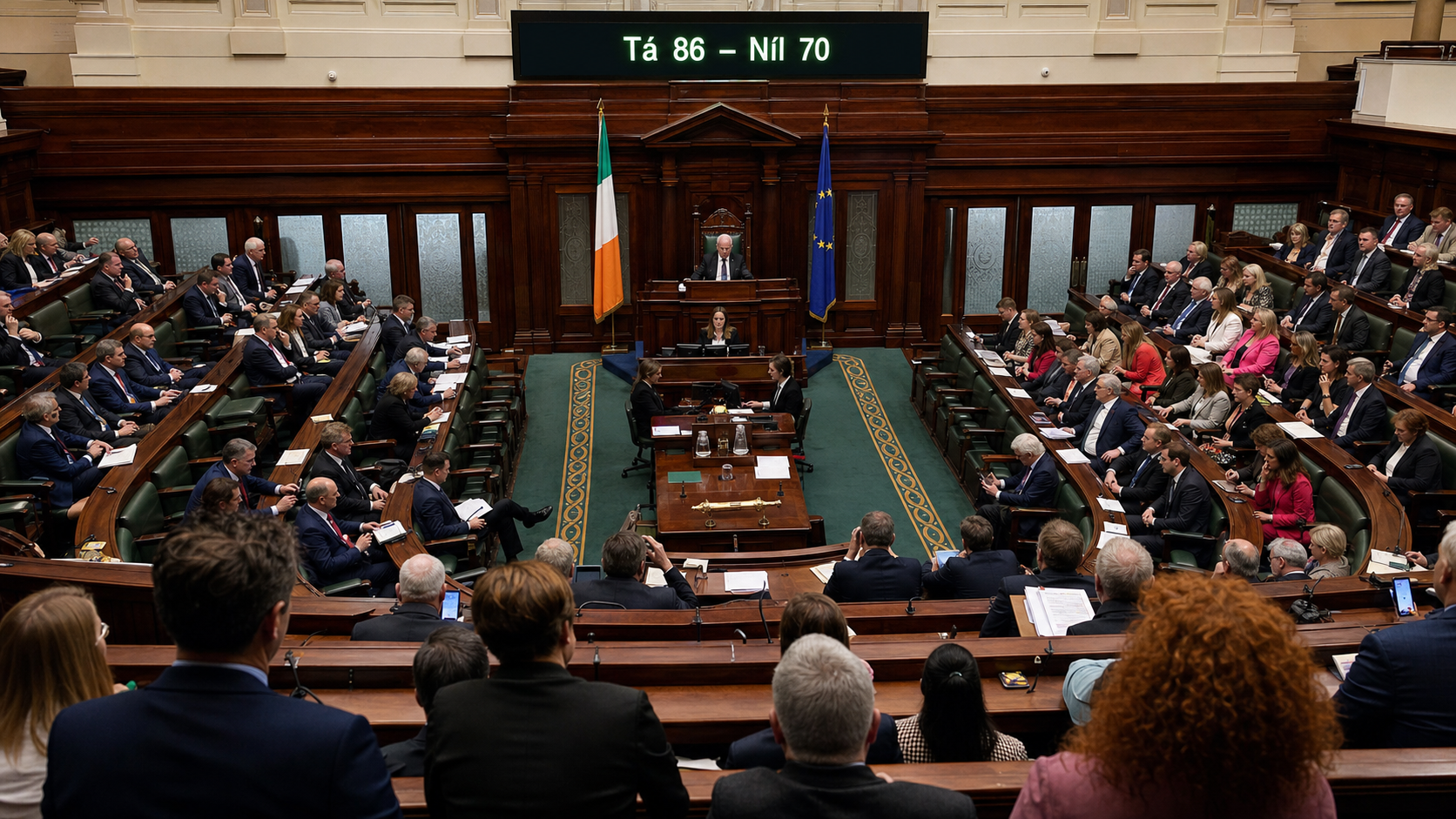
A Sinn Féin bill to extend abortion access in Ireland passed its second stage in the Dáil by 86 votes to 70 after the Government allowed a free vote, with eleven Fine Gael TDs and seven Fianna Fáil TDs voting in favour of the legislation in a significant split within the coalition that underlines the continuing political sensitivity of abortion policy in Ireland.
Background
Ireland legalised abortion in 2018 following the repeal of the Eighth Amendment, but the legislation introduced at that time — the Health (Regulation of Termination of Pregnancy) Act 2018 — has been criticised by reproductive rights advocates for its restrictive provisions. In particular, the Act requires a mandatory three-day waiting period between a woman's initial consultation and the termination, a provision that critics argue has no clinical basis and causes unnecessary distress.
The Act also restricts abortion access to the first twelve weeks of pregnancy in cases where there is no risk to the woman's life or health, and requires two doctors to certify that a foetal abnormality is likely to result in death before or shortly after birth before a termination can be carried out after twelve weeks. A review of the Act, completed in 2023, recommended the removal of the three-day waiting period and a broadening of the grounds for later terminations, but the Government has been slow to implement these recommendations.
Key Developments
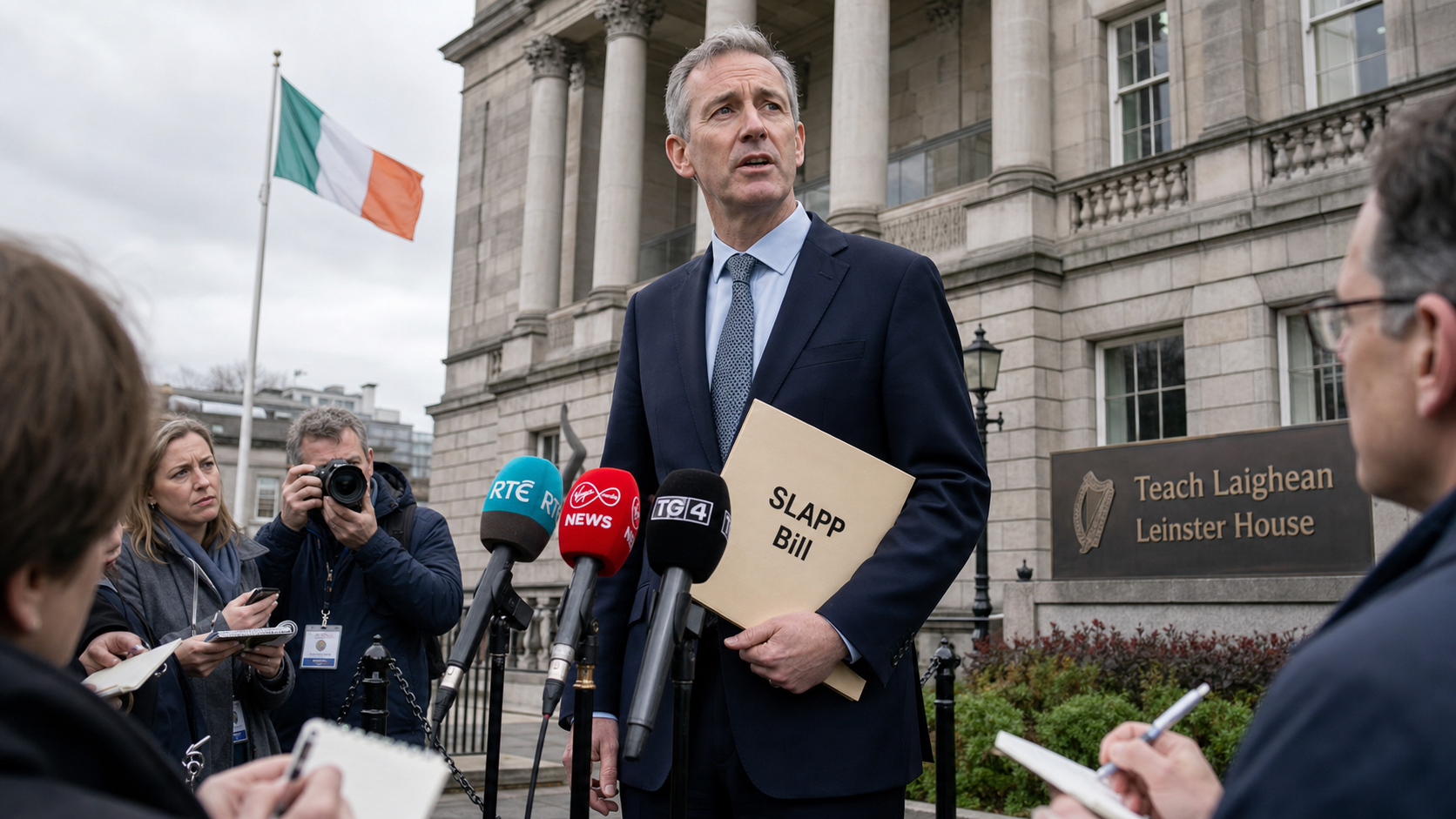
Sinn Féin's Health (Termination of Pregnancy Amendment) Bill 2026, introduced by health spokesperson David Cullinane, proposes to remove the three-day waiting period, extend the gestational limit from twelve to fourteen weeks, and broaden the grounds for terminations after fourteen weeks to include cases of serious foetal anomaly where the condition is not necessarily fatal. The bill also proposes to remove the requirement for two doctors to certify later terminations, replacing it with a single specialist's assessment.
The Government initially indicated it would oppose the bill, arguing that the issues it addressed were better dealt with through the ongoing review process. However, following intense lobbying from within the coalition's own parliamentary parties, the Government agreed to allow a free vote on the second stage, meaning TDs were not required to follow the party whip.
The result — 86 in favour, 70 against — was closer than some had predicted, with eleven Fine Gael TDs and seven Fianna Fáil TDs voting in favour. Among those voting in favour were several junior ministers, whose votes will require explanation to their party leaderships. Taoiseach Simon Harris voted against the bill, as did Tánaiste Micheál Martin, but both said they respected the right of their colleagues to vote according to their conscience.
Sinn Féin leader Mary Lou McDonald described the vote as "a historic step" and said it demonstrated that the Dáil was "ahead of the Government" on reproductive rights. She called on the Government to allow the bill to proceed to committee stage without obstruction.
Why It Matters
The passage of the bill at second stage is significant for several reasons. It demonstrates that there is a majority in the Dáil for extending abortion access beyond the current legislative framework, even if that majority is not sufficient to override a Government decision to block the bill at later stages. It also reveals the extent to which the coalition's internal discipline on social issues has weakened, with a significant minority of Government TDs willing to defy the implicit wishes of their party leaders.
The free vote mechanism, while allowing the Government to avoid a formal defeat, has created its own political difficulties. The eleven Fine Gael TDs who voted in favour have effectively signalled that they regard the current legislation as inadequate, which complicates the party's position in any future negotiations on abortion policy. For Fianna Fáil, the seven dissenting votes are a reminder of the party's internal diversity on social issues.
Local Impact
The practical impact of the bill, if enacted, would be felt most directly by women seeking abortion services in Ireland. The removal of the three-day waiting period would reduce the number of women who travel to England for terminations — estimated at around 800 per year — by eliminating one of the main reasons cited for travelling. The extension of the gestational limit to fourteen weeks would bring Ireland into line with most other EU member states. In rural areas, where access to abortion services is already limited by the small number of participating GPs, the bill's provisions for telemedicine consultations would be particularly significant.
What's Next
The bill now proceeds to committee stage, where the Government has indicated it will seek significant amendments. The Health Committee is expected to begin hearings in September. The Government has also said it will publish its own response to the 2023 review recommendations before the end of the summer, which may include some of the measures proposed in the Sinn Féin bill. The outcome at committee stage will depend on whether the coalition can maintain discipline among its TDs, or whether the free vote precedent set at second stage will be repeated.