Fine Gael Unveils Irish Unity Blueprint Ahead of November Ardfheis
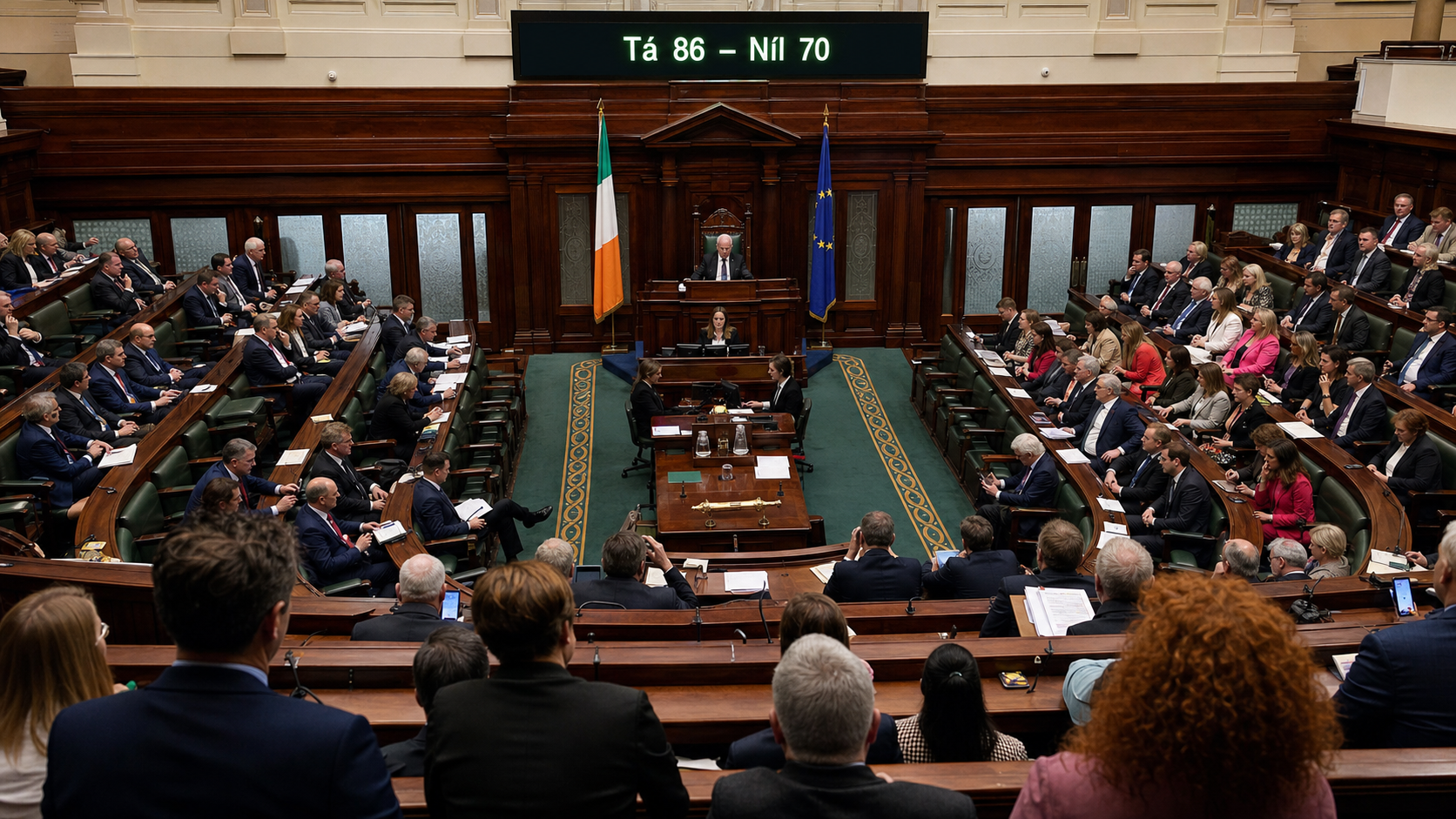
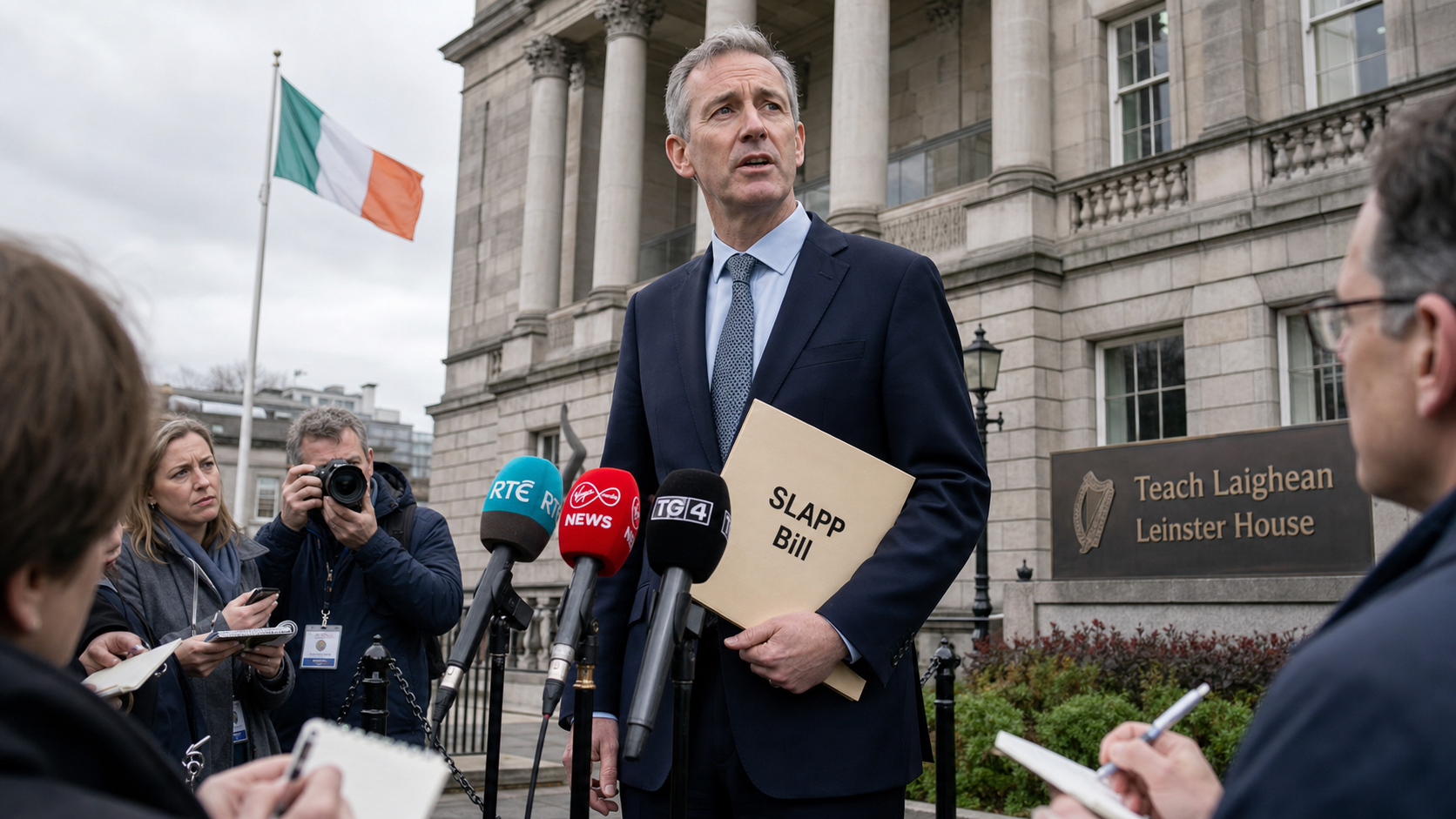
Fine Gael has published a detailed blueprint for Irish unity ahead of its November ardfheis, with Taoiseach Simon Harris outlining a model based on a new constitutional settlement rather than simple absorption of Northern Ireland into the existing Republic, in a document that represents the most substantive engagement with the unity question by a Fine Gael leader in a generation.
Background
Fine Gael's relationship with the question of Irish unity has historically been complex. The party's roots in the pro-Treaty tradition of the independence movement gave it a theoretical commitment to unity, but in practice it has often been more cautious than Fianna Fáil or Sinn Féin in engaging with the constitutional question. The party's 2020 general election manifesto contained only a brief reference to unity, and its coalition agreements with Fianna Fáil and the Green Party in 2020 and 2025 focused primarily on managing the Northern Ireland relationship rather than actively planning for constitutional change.
The publication of the new blueprint — titled "One Island, New Foundations" — marks a significant departure. It comes in the context of polling that consistently shows majority support for a unity referendum in the Republic, and growing pressure from within Fine Gael's own membership to develop a more proactive position on the issue.
Key Developments
The blueprint, which runs to 87 pages, proposes a model of unity based on a new constitutional convention rather than a simple referendum on whether Northern Ireland should join the existing Republic. Harris argued that the "absorption model" — in which Northern Ireland would simply become part of the existing Irish state — was neither politically achievable nor desirable, given the need to accommodate unionist identity and the significant differences in public services, taxation, and legal systems between the two jurisdictions.
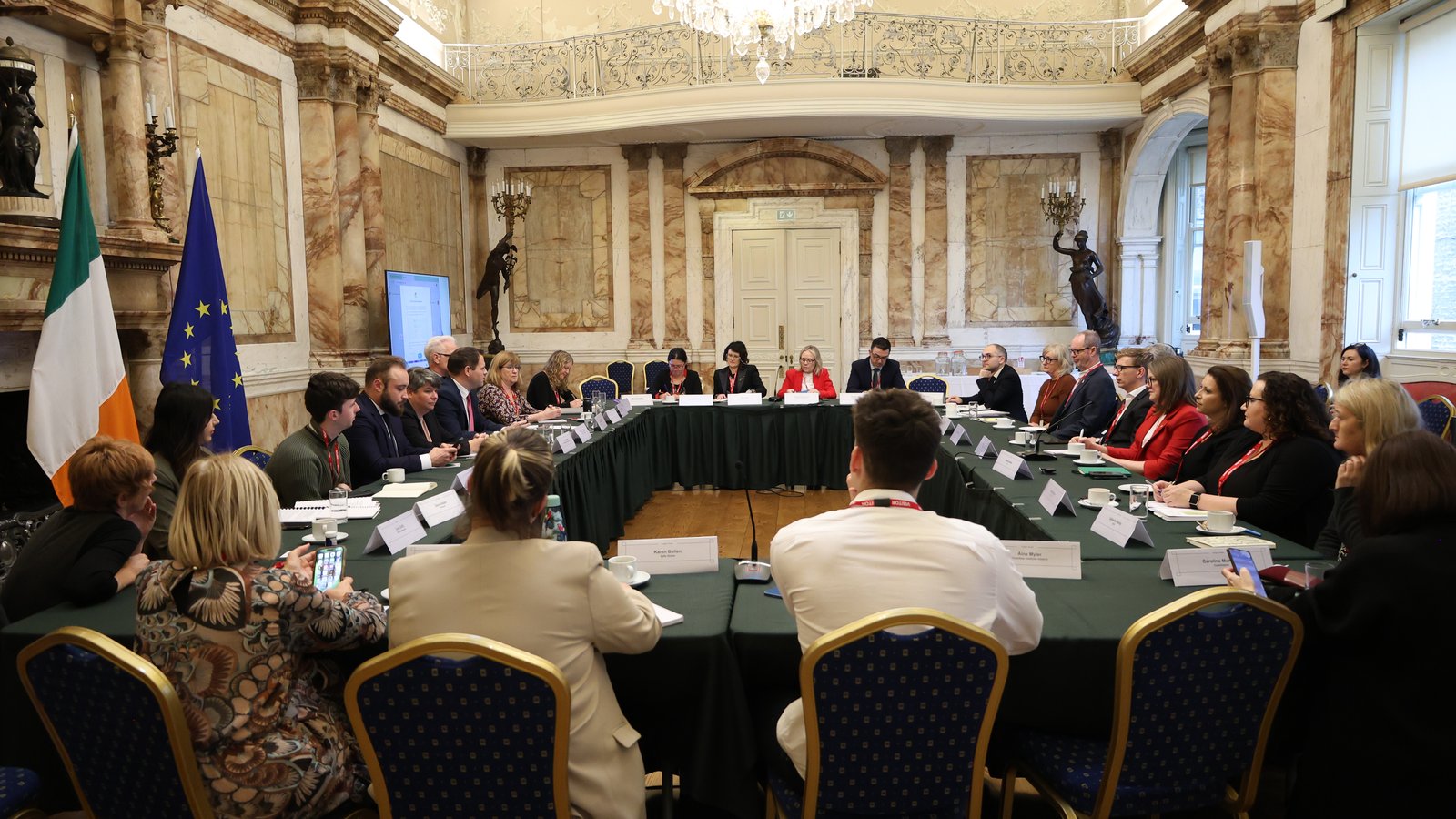
Instead, the document proposes a process beginning with a Citizens' Assembly on Irish Unity, to be established within two years if Fine Gael remains in government, followed by a constitutional convention with representation from both jurisdictions, and ultimately a referendum in both the Republic and Northern Ireland on a new constitutional settlement. The proposed settlement would include protections for British identity, continued participation in the Commonwealth if desired, and a transitional period of at least ten years during which Northern Ireland's public services would be harmonised with those of the Republic.
Harris said the blueprint was "not a plan for a takeover" but "a plan for a new beginning." He acknowledged that the process would be "long, difficult, and uncertain" but argued that Fine Gael had a responsibility to plan for a scenario that polling suggested was increasingly likely within the next decade.
The document was welcomed cautiously by Fianna Fáil, whose own unity planning process — the Shared Island Unit — has been running since 2020. Sinn Féin described it as "a step in the right direction" but said it fell short of the party's own position, which favours a referendum within the current Dáil term. The Ulster Unionist Party said the document showed "a welcome recognition that unity cannot be imposed" but warned that the timeline and process would need to be agreed with unionist parties before any progress could be made.
Why It Matters
The publication of a detailed unity blueprint by Fine Gael is significant because it shifts the party from a reactive to a proactive position on the constitutional question. For decades, Fine Gael's approach was essentially to manage the status quo and avoid inflaming unionist sentiment. The new document accepts that the status quo is changing — driven by demographic shifts in Northern Ireland, the legacy of Brexit, and the Windsor Framework — and that the Republic needs to be prepared for a range of constitutional scenarios.
The emphasis on a new constitutional settlement rather than absorption is also politically significant. It represents an implicit acknowledgement that the existing Irish constitution, with its Catholic social teaching influences and its particular model of governance, is not an adequate framework for a united Ireland. This is a more honest assessment than has typically been offered by Irish nationalist parties, and it may create space for a more genuine dialogue with unionism.
Local Impact
The blueprint's proposals for a Citizens' Assembly on Irish Unity would, if implemented, involve participants from across the island, including from Northern Ireland. Belfast, Derry, and Newry are identified in the document as locations for regional hearings. The proposal for a ten-year transitional period is particularly relevant for Northern Ireland's public services, where the NHS model differs significantly from the Republic's mixed public-private system. In border counties such as Cavan, Monaghan, and Donegal, where cross-border economic integration is already advanced, the blueprint's proposals for harmonised economic governance are likely to be welcomed.
What's Next
The blueprint will be debated at Fine Gael's November ardfheis, where it is expected to be adopted as party policy with some amendments. Harris has said he will seek to include a commitment to establishing the Citizens' Assembly in the next programme for government negotiations. The Taoiseach is also expected to raise the unity planning process at the next British-Irish Intergovernmental Conference, scheduled for September.