Sexual Violence Centre Calls for Standalone Spiking Legislation as Incidents Described as 'Endemic'
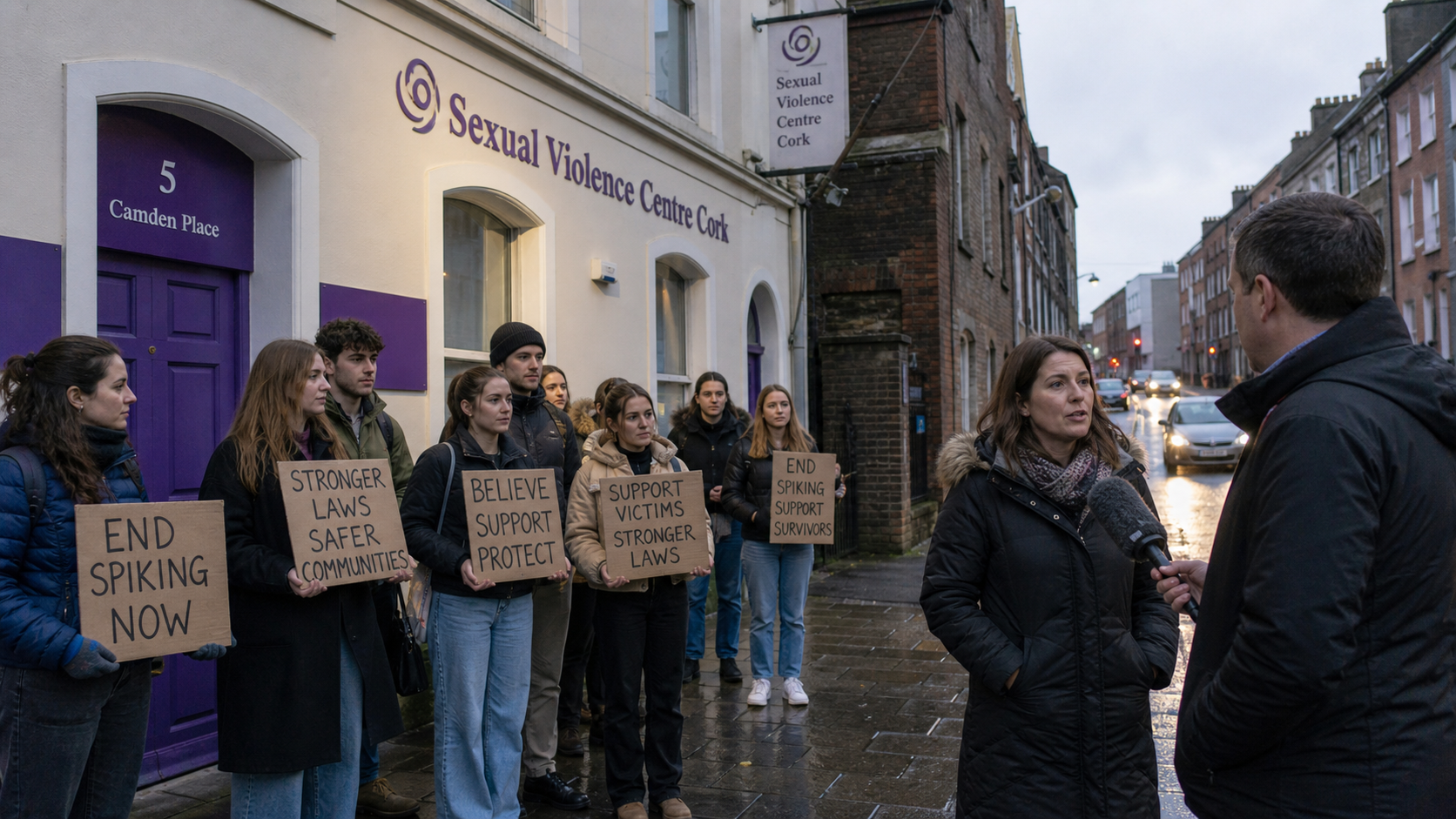
The Sexual Violence Centre in Cork has called for the introduction of standalone legislation specifically criminalising spiking in Ireland, describing the practice as endemic and warning that the current legal framework — which relies on existing poisoning and endangerment statutes — is wholly inadequate to address the scale of the problem or to provide justice for victims.
Background
Spiking — the act of adding alcohol or drugs to a person's drink or food without their knowledge or consent — has been a growing concern in Ireland for several years. The practice is most commonly associated with nightlife environments, festivals, and social gatherings, and it is frequently used as a precursor to sexual assault. However, it also occurs in other contexts, including domestic settings, and its victims include men as well as women, though women are disproportionately affected.
The Sexual Violence Centre in Cork, which provides support to survivors of sexual violence across Munster, has been at the forefront of advocacy on this issue for several years. Its caseworkers report that spiking is a recurring feature in the accounts of clients who have experienced sexual assault, and the organisation has long argued that the absence of a specific criminal offence for spiking sends a damaging message to victims about how seriously the State takes their experience.
The legal landscape in Ireland is currently fragmented. Spiking is typically prosecuted under the offence of "poisoning" under the Non-Fatal Offences Against the Person Act 1997, which carries a maximum prison term of three years, or under "endangerment," which carries a maximum of seven years. Neither offence is specifically designed to address spiking, and advocates argue that the lack of a dedicated offence creates confusion for victims, investigators, and prosecutors alike.
Key Developments
The call for standalone legislation has gained renewed urgency following the publication of figures showing that 19 per cent of attendees at Sexual Assault Treatment Units in 2025 expressed concern that they may have been spiked. The true scale of the problem is almost certainly larger, given that many victims do not report incidents due to fear of not being believed, uncertainty about what happened to them, or the loss of toxicological evidence in the hours after the event.
An Garda Síochána's PULSE system does not have a specific crime category for spiking, requiring investigators to conduct manual keyword searches that are likely to produce significant undercounting. The absence of a standardised toxicology testing pathway means that many victims who do report incidents are unable to obtain confirmation of what substance was used, further complicating the investigation and prosecution process.
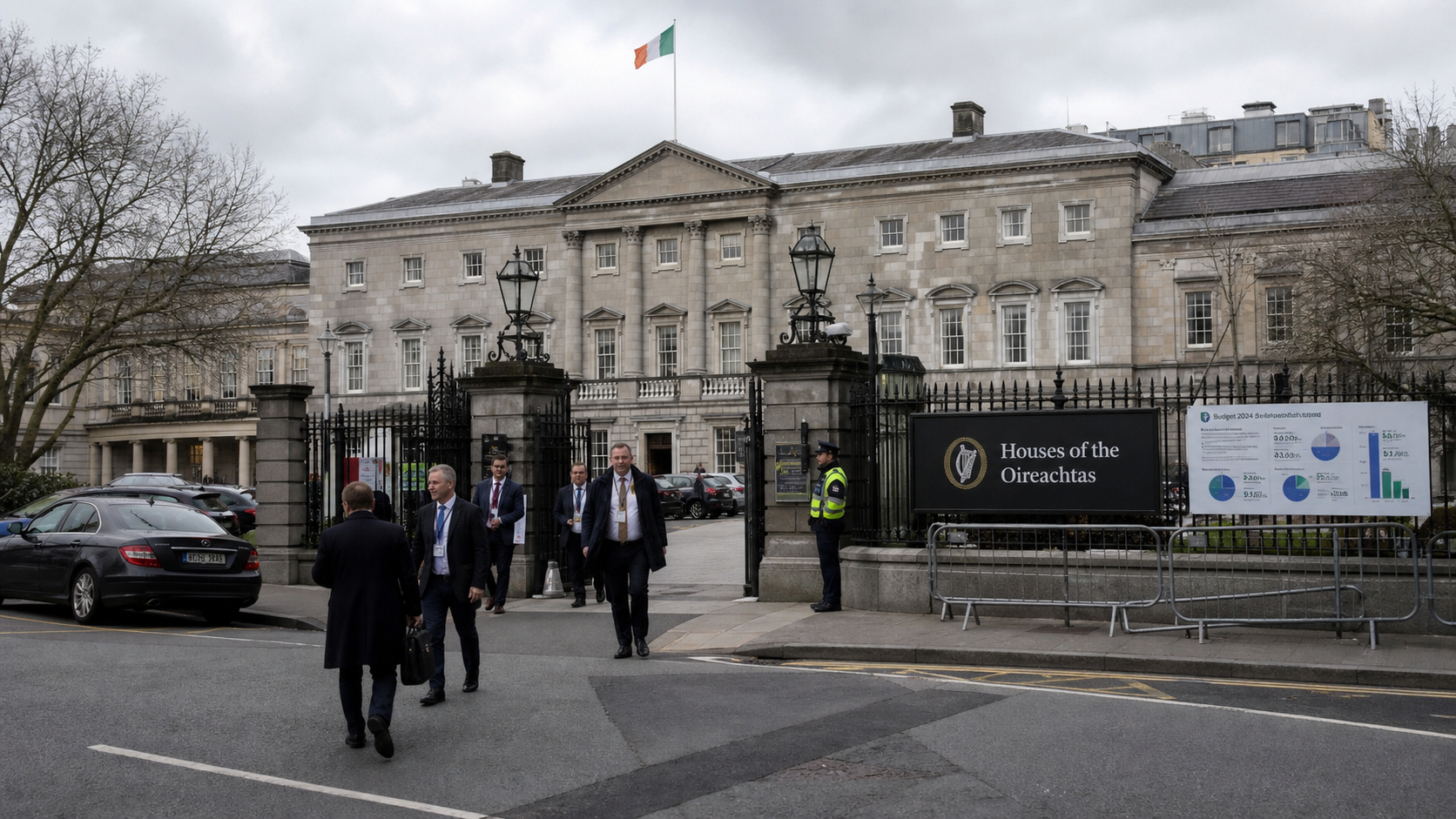
Minister for Justice Jim O'Callaghan has stated that his department is giving "careful consideration" to further measures to combat spiking, and the Programme for Government includes a commitment to introduce stronger laws in this area. However, the Criminal Law, Civil Law and Defence (Miscellaneous Provisions) Bill 2026, which passed the Oireachtas in July and introduced significant reforms in the area of domestic and sexual violence, did not include a standalone spiking provision.
Why It Matters
The absence of standalone spiking legislation is not merely a technical legal gap — it has real consequences for victims and for the broader culture around consent and personal safety. When the law does not name a behaviour as a specific offence, it implicitly signals that the behaviour is not serious enough to warrant dedicated attention. For victims of spiking, many of whom already struggle to be believed and to navigate a reporting process that can be retraumatising, that signal is deeply damaging.
Ireland is not alone in this gap. England and Wales introduced a specific spiking offence in 2023, and Scotland has had dedicated legislation since 2022. The Republic's failure to follow suit means that Irish victims are in a worse legal position than their counterparts across the water, a disparity that is difficult to justify given the shared nature of the problem and the cross-border movement of people between the two jurisdictions.
Local Impact
Cork City Council has formally backed calls for standalone spiking legislation as part of a broader national strategy that includes improved recording systems, national healthcare protocols, and public awareness campaigns. The Sexual Violence Centre has reported a significant increase in contacts from people seeking information about spiking in the weeks following major festivals and events, suggesting that the problem is particularly acute during the summer months. HSE-funded Sexual Assault Treatment Units in Cork, Dublin, Galway, and Limerick have all reported cases involving suspected spiking in 2026.
What's Next
The Department of Justice is expected to publish a consultation paper on spiking legislation before the end of 2026, with a view to introducing a bill in the Oireachtas in early 2027. The Sexual Violence Centre and other advocacy organisations have indicated that they will engage actively with the consultation process and will continue to press for legislation that includes not just a new criminal offence but also improved recording systems, mandatory toxicology testing protocols, and a public awareness campaign targeted at venues and event organisers.