Derry Endures Second Night of Petrol Bomb Attacks on Police as Drumcree Tensions Spread Beyond Portadown
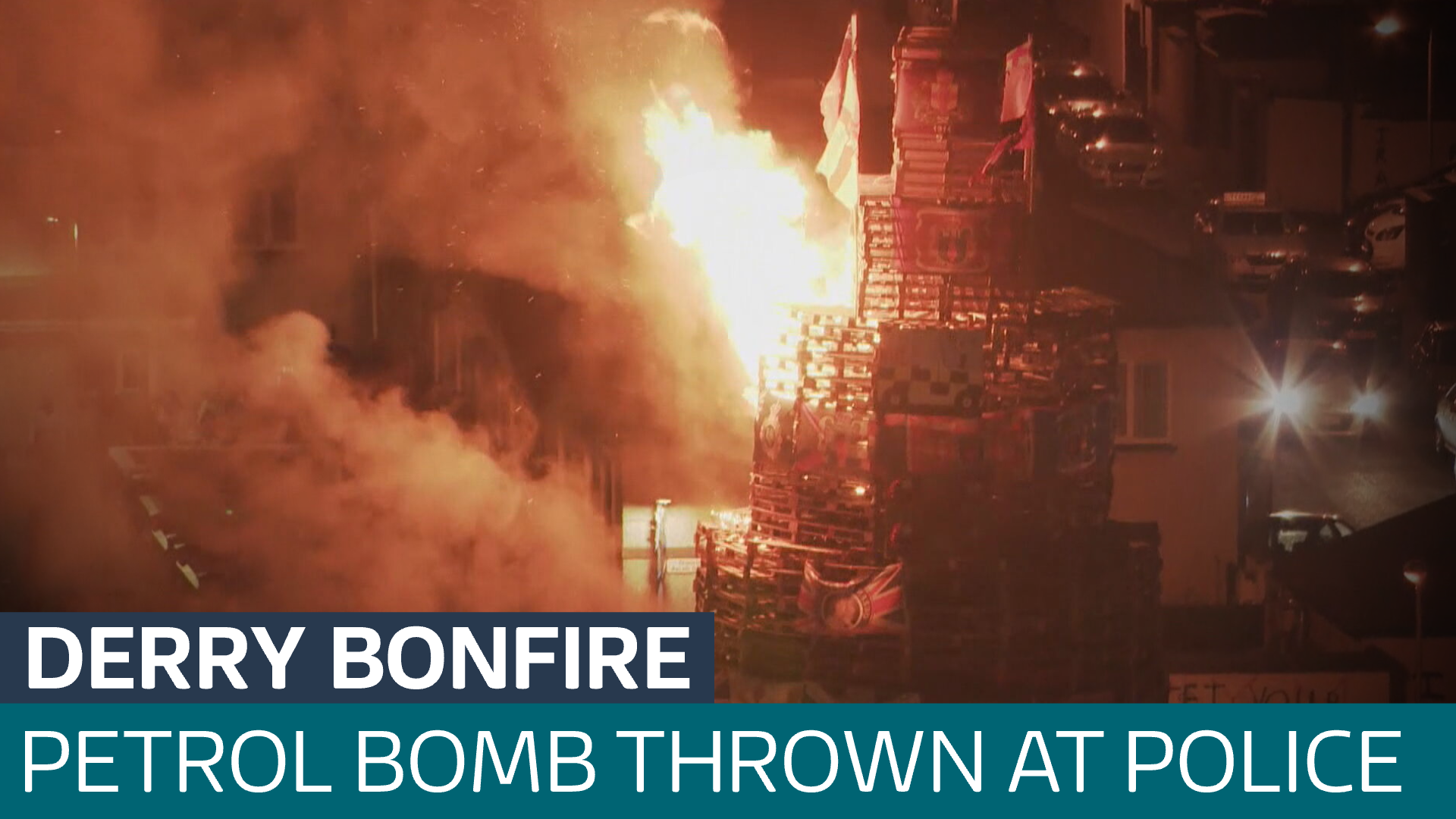
Derry has experienced a second consecutive night of serious civil unrest, with petrol bombs, fireworks, and bottles thrown at PSNI officers and a bus attacked in what police described as a reckless and dangerous assault that left passengers — including children — feeling petrified, as the political crisis surrounding the Drumcree standoff continued to generate ripple effects across Northern Ireland.
Background
Derry has a long and complex history with civil unrest, rooted in the city's experience of the Troubles and the deep divisions that persist between its communities. The city was the site of Bloody Sunday in 1972 and of some of the most intense conflict of the entire Troubles period. While the peace process has brought significant improvements to daily life in Derry, the city remains sensitive to political tensions elsewhere in Northern Ireland, and events in Portadown have historically had the capacity to generate sympathetic unrest in nationalist areas of Derry.
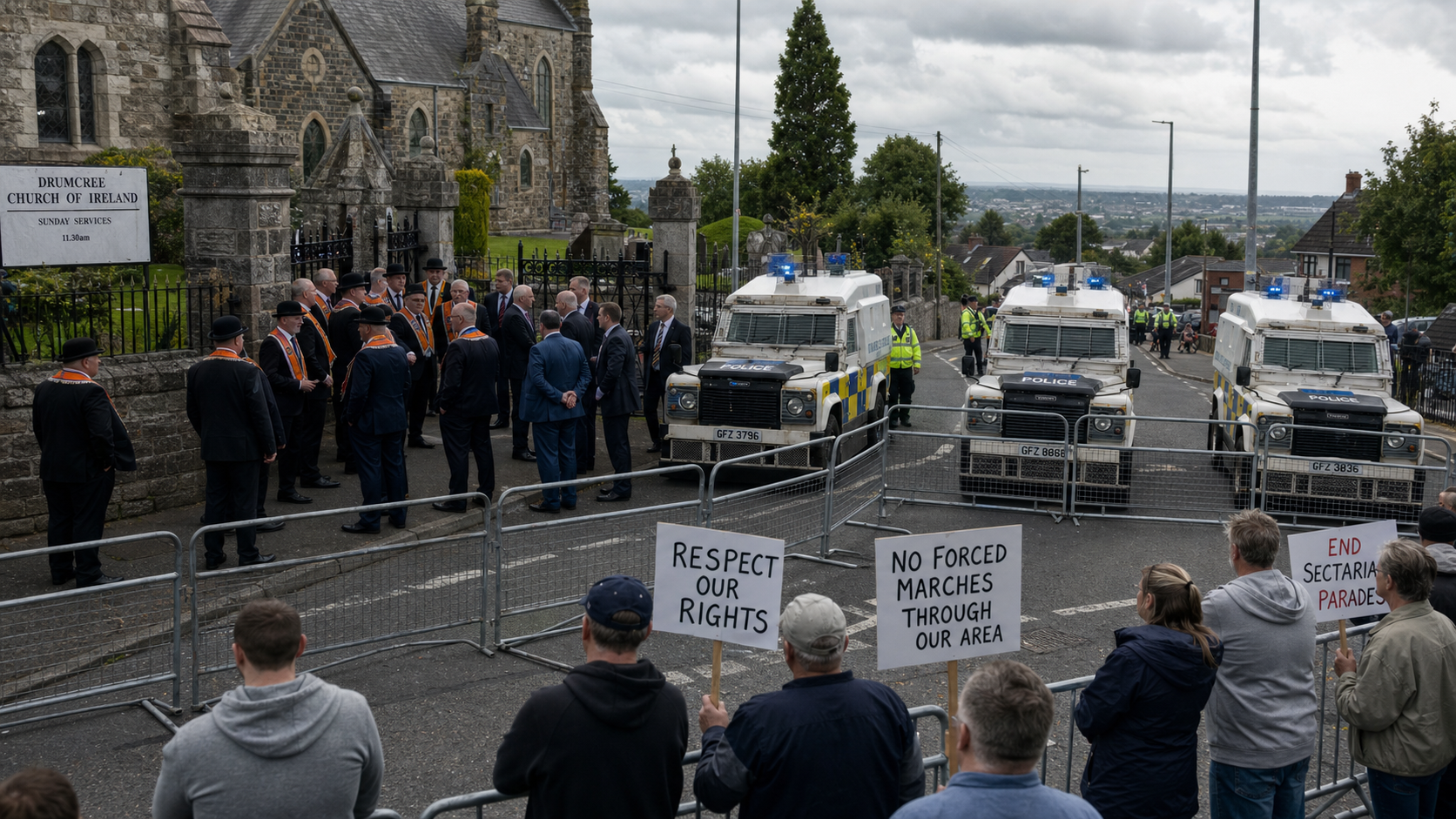
The current wave of disorder follows the Parades Commission's decision to permit an Orange Order march along the Garvaghy Road in Portadown for the first time in nearly 30 years. That decision has been met with widespread anger in nationalist communities across Northern Ireland, and community workers in Derry had warned in the days following the ruling that the situation in Portadown could trigger disorder in the city if it was not resolved quickly. Those warnings have now proved prescient.
The PSNI has been managing a significant policing operation across Northern Ireland in response to the Drumcree crisis, with resources stretched across multiple locations. The disorder in Derry has added to the pressure on a police service that is already deploying substantial numbers of officers to Portadown and its surrounding areas.
Key Developments
The second night of disorder in Derry saw petrol bombs, fireworks, and bottles thrown at PSNI officers in what police described as a sustained and dangerous attack. A bus was also targeted in what the PSNI characterised as a reckless assault, with passengers — including children — left feeling petrified by the incident. The bus attack drew particular condemnation from community leaders, who noted that public transport is a lifeline for many residents and that attacks on buses harm ordinary people rather than any political target.
The PSNI issued an appeal for calm following the second night of disorder, urging community leaders and elected representatives to use their influence to prevent further escalation. Assistant Chief Constable Ryan Henderson, who has been the public face of the PSNI's response to the Drumcree crisis, said the disorder in Derry was "deeply concerning" and that those responsible would be identified and prosecuted. A number of arrests were made in connection with the disturbances, though the PSNI declined to provide specific figures.
Catholic and Protestant archbishops issued a joint appeal for resolution to the Drumcree crisis, describing the situation as a "crisis" for the peace process and urging all sides to engage in dialogue. The joint statement was welcomed by community leaders in Derry as a sign that the churches were prepared to use their moral authority to help de-escalate the situation.
Why It Matters
The spread of disorder from Portadown to Derry is a significant development that illustrates the capacity of the Drumcree crisis to destabilise communities well beyond the immediate flashpoint. Derry is Northern Ireland's second city and a place that has worked hard over the past two decades to build a reputation as a welcoming, forward-looking community. The disorder risks undermining that reputation and the economic and social progress it has enabled. Tourism, which has become an increasingly important part of Derry's economy since the city served as UK City of Culture in 2013, is particularly vulnerable to the perception of instability.
The bus attack is especially troubling because it represents an attack on a public service that is used by people from all communities. Translink's bus network in Derry serves schools, hospitals, and workplaces, and attacks on buses create fear and disruption that affect everyone. The fact that children were on board during the attack has generated particular anger across the political spectrum, with politicians from all parties condemning the incident in unusually unified terms.
Local Impact
In the Bogside and Creggan areas of Derry, where much of the disorder has been concentrated, community workers have described a tense atmosphere that is affecting daily life. Schools in the vicinity have been in contact with parents about safety arrangements, and some local businesses have reported reduced footfall as people avoid the affected areas. The PSNI has increased its visible presence in the city, with additional officers deployed from other areas of Northern Ireland. Community organisations that work with young people in Derry have expressed concern that the disorder is drawing in teenagers who have no direct connection to the Drumcree dispute but who are being swept up in the excitement of the unrest. Derry City and Strabane District Council has called an emergency meeting to discuss the situation and coordinate a community response.
What's Next
The PSNI has indicated that it will maintain an enhanced policing presence in Derry for the foreseeable future. Community leaders are planning a series of engagement events aimed at young people in the affected areas, seeking to channel frustration into constructive activity. The resolution of the Drumcree standoff in Portadown is seen as the key to de-escalating the situation in Derry, and community workers have urged political leaders to prioritise a negotiated settlement. The PSNI's inquiry into the disorder will continue, with further arrests expected in the coming days.