Scotland's Rarest Bird Makes a Comeback: Capercaillie Numbers Up 50% at RSPB Abernethy Reserve
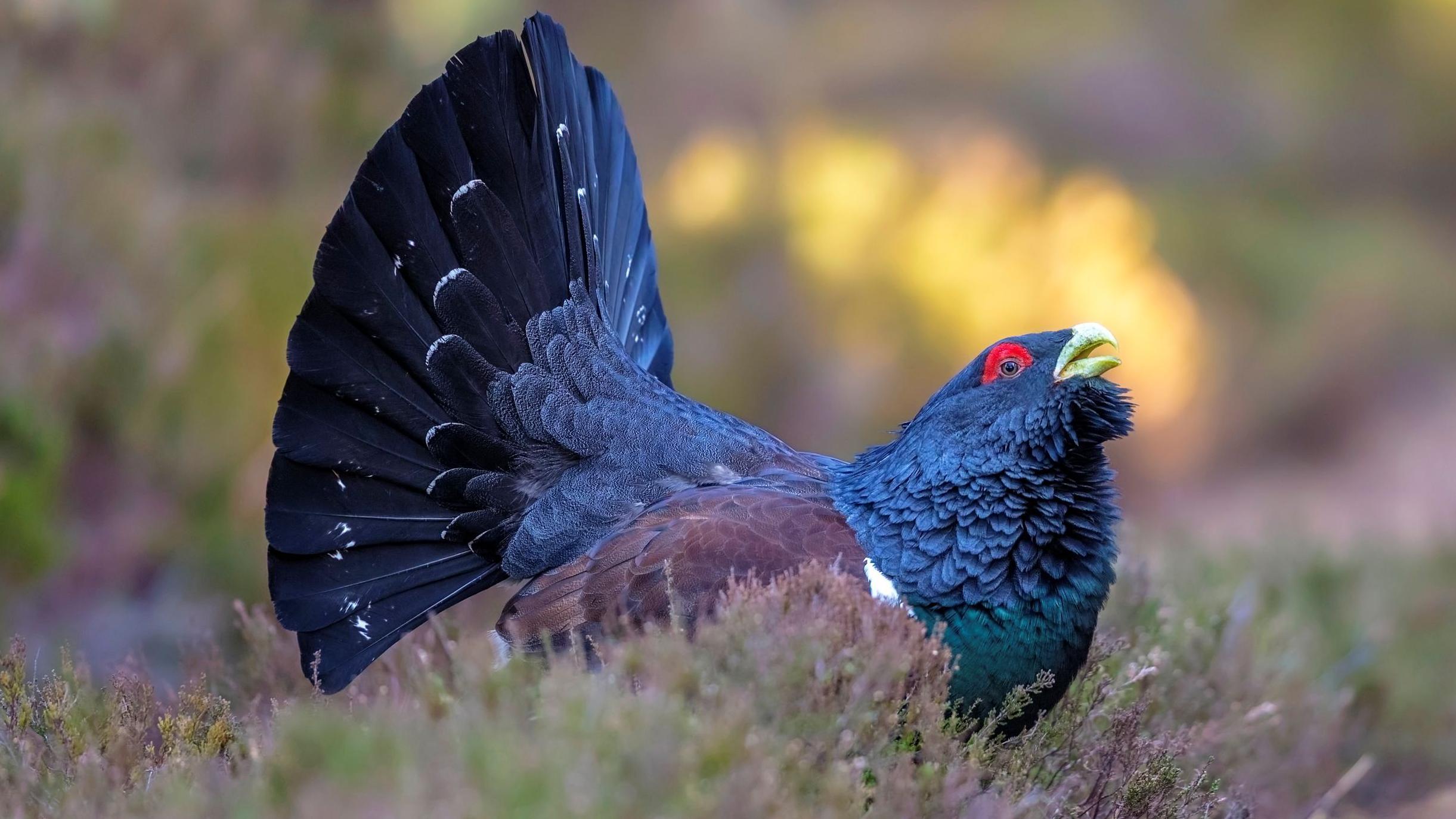
One of Britain's most endangered birds is showing remarkable signs of recovery, with the number of courting capercaillie males at the RSPB's Abernethy reserve in the Scottish Highlands rising by 50% — from 20 in 2020 to 30 in 2025 — in a conservation success story that is bringing hope to those working to save the species from extinction.
The increase at Abernethy, one of the last strongholds for the capercaillie in Scotland, represents more than 20% of the 143 lekking males recorded in the national count for 2025 — a remarkable concentration of the species in a single reserve.
Background
The capercaillie — known in Gaelic as the "horse of the woods" — is a large grouse found only in the Caledonian pine forests of the Scottish Highlands. Once locally extinct in Scotland by 1785, the species was reintroduced and recovered to around 20,000 birds by 1970. Since then, however, numbers have plummeted by 97%, with the latest surveys estimating as few as 532 birds remaining in 2021-22. The decline is attributed to climate change causing wetter springs, habitat loss, increased predation, collisions with deer fences, and human disturbance.
Key Developments
The recovery at Abernethy has been driven by innovative conservation techniques developed by RSPB Scotland. Conservationists are using remote-controlled mowers to clear dominant heather in inaccessible areas, allowing blaeberry — a crucial food source for adult capercaillie and host to moth caterpillars vital for young chicks — to thrive. Virtual fence collars on cattle enable targeted forest grazing, creating open spaces that benefit the birds without the collision risk posed by traditional fencing.
The good news extends beyond Abernethy. A wider analysis of over 100 rewilding sites across Scotland has revealed a dramatic surge in biodiversity, with bird numbers increasing by 261% and the abundance of bee and butterfly species growing tenfold. On the Orkney islands, the rare Orkney vole is now "thriving" again following a successful project to eradicate invasive stoats, which has also boosted populations of hen harriers and short-eared owls.
Why It Matters
The capercaillie's recovery at Abernethy demonstrates that targeted, science-led conservation can reverse even severe population declines. For the communities and wildlife organisations working in the Scottish Highlands, it is a powerful reminder that nature can recover when given the right conditions and support. The broader rewilding data from across Scotland suggests that landscape-scale conservation is delivering real results for biodiversity.
What's Next
RSPB Scotland is continuing its habitat improvement work at Abernethy and working with partners including Cairngorms Connect, NatureScot, and Forestry and Land Scotland to expand conservation efforts across the Cairngorms. The long-term survival of the capercaillie will depend on continued habitat improvement, climate change mitigation, and collaborative management of the wider landscape. Full details of the conservation work are available via the RSPB.