Robert Hamill Inquiry: No RUC Collusion Found, But Murder Investigation Condemned as 'Negligent'
The public inquiry into the murder of Robert Hamill — the 25-year-old Catholic father of three who was beaten to death by a loyalist mob in Portadown in April 1997 while an RUC Land Rover sat nearby — has published its long-delayed findings, clearing the officers at the scene of collusion but delivering a withering assessment of the investigation that followed, which it describes as riddled with negligence, obstruction, and a deliberate tip-off to a suspect by a serving reserve constable.
Background
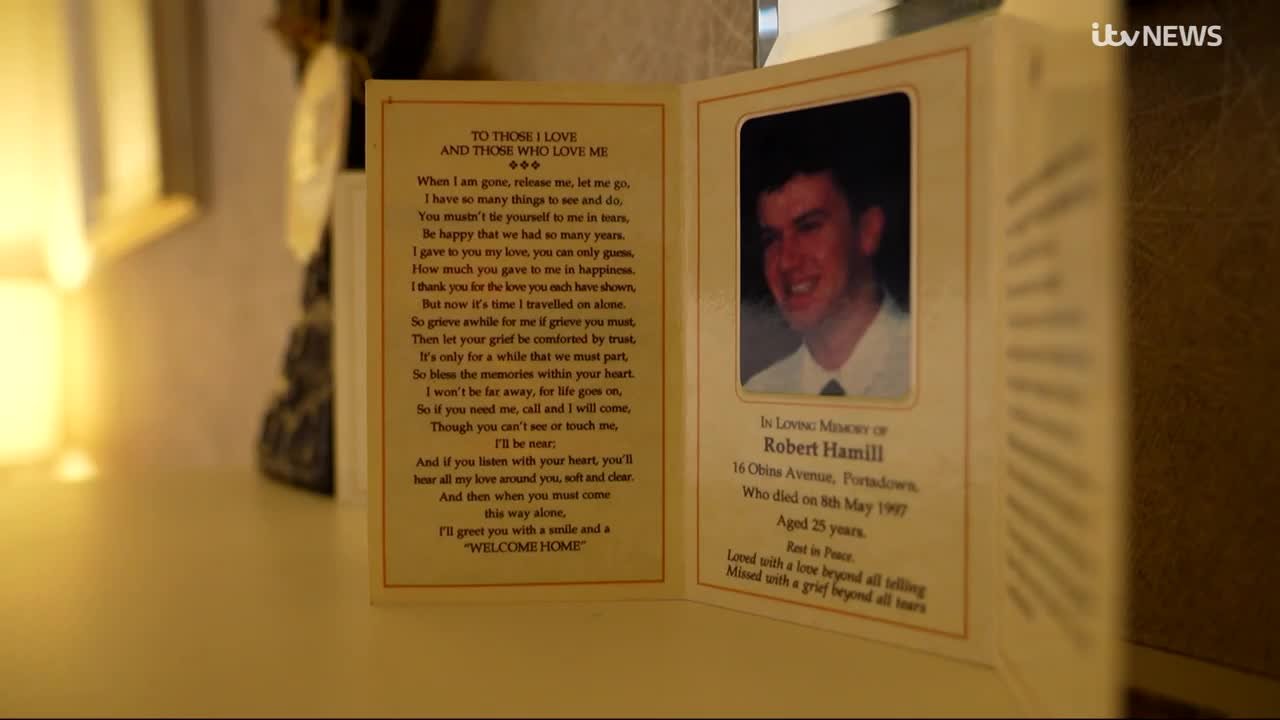
Robert Hamill was attacked on the night of 27 April 1997 as he walked home through Portadown town centre with a group of friends. A loyalist mob set upon the group near the town centre, and Hamill was beaten with such severity that he sustained catastrophic brain injuries. He died eleven days later, on 8 May 1997, leaving behind a partner and three young children. He was 25 years old.
The presence of an RUC Land Rover at the scene — whose occupants were alleged to have watched the attack without intervening — became one of the most contested and painful aspects of the case. Hamill's family and nationalist community groups argued for years that the officers had stood by while a Catholic man was beaten to death, and that the subsequent investigation had been deliberately undermined to protect those responsible.
A public inquiry was established in 2005 under Sir Edwin Jowitt, but its report was suppressed for fifteen years due to ongoing criminal proceedings. Those proceedings concluded in June 2024 with the conviction of Reserve Constable Robert Atkinson for conspiring to pervert the course of justice — a conviction that finally cleared the way for the inquiry's findings to be published. The report, which runs to 290 pages and cost £33 million to produce, was released on Monday.
Key Developments
The inquiry's central finding — that the four RUC officers in the Land Rover did not collude with the attackers — will be a source of relief for those who served in the force, but it is accompanied by findings that are deeply uncomfortable for the PSNI's institutional legacy. The panel concluded that the officers were distracted by two members of the public at their vehicle at the moment the attack began, and that this distraction — rather than deliberate inaction — explained their failure to intervene.
However, the inquiry's assessment of the murder investigation is unsparing. It describes the investigation as "negligent" and identifies a series of "wrongful acts and omissions" that allowed the perpetrators to evade justice. Most damning is the finding regarding Reserve Constable Atkinson, who was found to have telephoned a suspect shortly after the attack, enabling that individual to destroy or conceal the clothing worn during the assault. This act of deliberate obstruction, the inquiry found, was a fundamental breach of the officer's duty and a significant factor in the failure to secure convictions for the murder itself.
The Hamill family, speaking through their solicitor, said they had "reservations" about aspects of the report but felt vindicated by the findings regarding the "shocking wrongdoing" that had allowed their loved one's killers to walk free. Northern Ireland Secretary Sir Chris Bryant described the findings as "deeply troubling" and said the government would study the report carefully.
Why It Matters
The Robert Hamill case sits alongside the murders of Rosemary Nelson and Billy Wright as one of the defining legacy cases of the Troubles — cases in which allegations of state collusion or negligence have cast a long shadow over the peace process and the legitimacy of policing in Northern Ireland. The inquiry's finding of no collusion at the scene will not satisfy everyone, and the family's expressed reservations suggest that questions remain about the full picture of what happened that night.
What the report does establish beyond doubt is that the investigation was compromised from within. The conviction of Atkinson and the inquiry's findings about the broader negligence of the investigation represent a partial but significant accountability for a case that has haunted Portadown's nationalist community for nearly three decades. No one has ever been convicted of Robert Hamill's murder, and the inquiry's findings make clear that this outcome was not inevitable — it was the product of institutional failure.
The publication of the report also raises questions about the PSNI's approach to legacy cases more broadly, at a time when the Legacy Act 2023 has created a new framework for addressing Troubles-era crimes that remains deeply contested by victims' groups.
Local Impact
In Portadown, where the Hamill family still lives, the publication of the report has reopened wounds that have never fully healed. The town's nationalist community has long regarded the case as emblematic of the failures of policing during the Troubles, and the inquiry's findings — while stopping short of the collusion finding many had hoped for — have been received with a mixture of relief and continued grief. The PSNI's Portadown district policing partnership has been asked to engage with the Hamill family and community representatives in the coming weeks.
What's Next
The Hamill family's legal team has indicated that they will study the full report before deciding whether to pursue any further legal action. The Police Ombudsman for Northern Ireland has been asked to consider whether the inquiry's findings warrant a fresh investigation into the conduct of the officers involved in the original murder inquiry. The Northern Ireland Office has committed to a full response to the report's recommendations within six months.